Science News
 American
Science News for 19 May 2020
American
Science News for 19 May 2020
Longstanding mystery of matter and antimatter may be solved
Phys.org - 19 May 2020 16:02 An element which could hold the key to the long-standing mystery around why there is much more matter than antimatter in our universe has been discovered in Physics research involving the University of Strathclyde.
Scientists Are Cloning the Coronavirus Like Crazy. Here's Why--and the Risks
Singularity Hub - 19 May 2020 16:00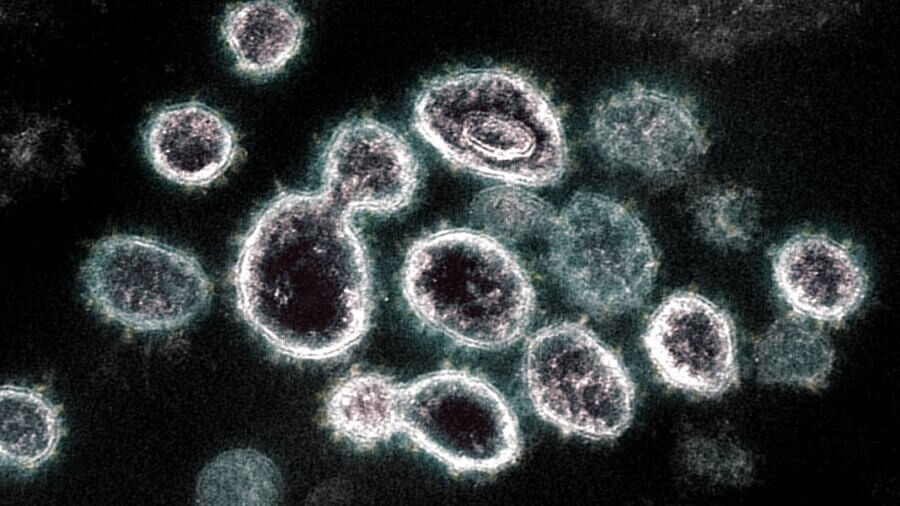 Most biomedical researchers are busy finding ways to squash the new coronavirus. Meanwhile, synthetic biologists are busy cloning it in droves. In late February a team from the University of Bern, led by Dr. Volker Thiel...
Potential drug treatment targets for alcohol-related liver disease
Science Daily - 19 May 2020 22:58
A team of researchers has uncovered key molecular step stones in ALD that may provide targets for drug therapy development.
Landmark recommendations on development of artificial intelligence and the future of global health
Science Daily - 19 May 2020 22:58
A landmark review of the role of artificial intelligence (AI) in the future of global health calls on the global health community to establish guidelines for development and deployment of new technologies and to develop ...
Is your job killing you? Stress, lack of autonomy, ability can lead to depression, death
Science Daily - 19 May 2020 22:58
A new study finds that our mental health and mortality have a strong correlation with the amount of autonomy we have at our job, our workload and job demands, and our cognitive ability to deal with those demands.
RNA molecules in maternal blood may predict pregnancies at risk for preeclampsia
Science Daily - 19 May 2020 20:44
Researchers have identified small molecules in the blood of asymptomatic pregnant women that may predict risk for preeclampsia, responsible for a significant proportion of maternal and neonatal deaths, low birth weight a...
Subcellular chatter regulates longevity
Science Daily - 19 May 2020 20:04
As people get older, they often feel less energetic, mobile or active. This may be due in part to a decline in mitochondria, the tiny powerhouses inside of our cells, which provide energy and regulate metabolism. In fact...
Lab engineers 3D-functional bone tissues
Science Daily - 19 May 2020 20:04
Scientists have developed a highly printable bioink as a platform to generate anatomical-scale functional tissues.
Emerging viral diseases causing serious issues in west Africa
Science Daily - 19 May 2020 20:04
In a new study, researchers call attention to the emergence of mosquito-borne viral outbreaks in West Africa, such as dengue (DENV), chikungunya (CHIKV) and Zika (ZIKV) viruses.
Scientists eliminate drug side effects by manipulating molecular chirality
Science Daily - 19 May 2020 16:13
Scientists have developed a novel technique that can produce pure therapeutic drugs without the associated side effects.
How to improve the pneumococcus vaccine
Science Daily - 19 May 2020 15:03
Pneumococcus kills 1 million children annually according to the World Health Organization. The key to the pathogen's virulence is its thick sugar capsule, which is also the active ingredient in vaccines. Different strain...
No, No, Nobel: How To Lose the Prize
Scientific American - 19 May 2020 23:20Scientists use light to accelerate supercurrents, access forbidden light, quantum world
Phys.org - 19 May 2020 22:35 Scientists are using light waves to accelerate supercurrents and access the unique properties of the quantum world, including forbidden light emissions that one day could be applied to high-speed, quantum computers, comm...
High rate of blood clots in COVID-19
Neuroscience News - 19 May 2020 21:33 Coronavirus has been linked to a higher rate of developing venous thromboembolism. A D-dimer blood test is a useful way to identify COVID-19 patients at a higher risk of venous thromboembolism.
Observing the freely behaving brain in action
Neuroscience News - 19 May 2020 21:17 A newly developed head-mounted miniature microscope can capture images of all cortical layers of a freely moving rat.
Intense fitness classes can lead to rapid spread of COVID-19, report shows
Live Science - 19 May 2020 21:09 Fitness dance classes are yet another venue where the new coronavirus appears to easily spread.
Computer model can process disparate sources of clinical data to predict brain age
Neuroscience News - 19 May 2020 21:04 A new computer model can analyze different types of brain scans and accurately predict the age of the human brain based on the images.
UK government advised to 'urgently' build up contact tracing capacity
New Scientist - 19 May 2020 20:30
The latest coronavirus news updated every day including coronavirus cases, the latest news, features and interviews from New Scientist and essential information about the covid-19 pandemic
Hurricanes really are getting stronger, just like climate models predicted
Live Science - 19 May 2020 20:17 The authors of a new paper studied 4,000 tropical cyclones spanning 39 years, and showed that major hurricanes are coming more frequently as Earth cooks.
Six feet not far enough to stop coronavirus transmission in light winds
Neuroscience News - 19 May 2020 20:15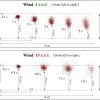 A new study reveals the recommended 6 foot of distance to help prevent the transmission of COVID-19 may not be enough. Researchers report that even with a slight breeze of 4 KPH, saliva and cough droplets travel 18 feet ...
Animal study shows human brain cells repair damage in multiple sclerosis
Neuroscience News - 19 May 2020 19:57 Human iPSCs transplanted into animal models of multiple sclerosis help repair cell damage and restore function.
Plague doctors: Separating medical myths from facts
Live Science - 19 May 2020 19:52 These spooky costumes may have been worn by some early modern physicians to ward off infection, but the history of plague medicine goes back much further.
 Global
 Great Britain
 Indian
 South Africa