Science News
 American
Science News for 24 September 2020
American
Science News for 24 September 2020
Wee, single-celled creatures may chow down on viruses
Live Science - 24 Sep 2020 06:15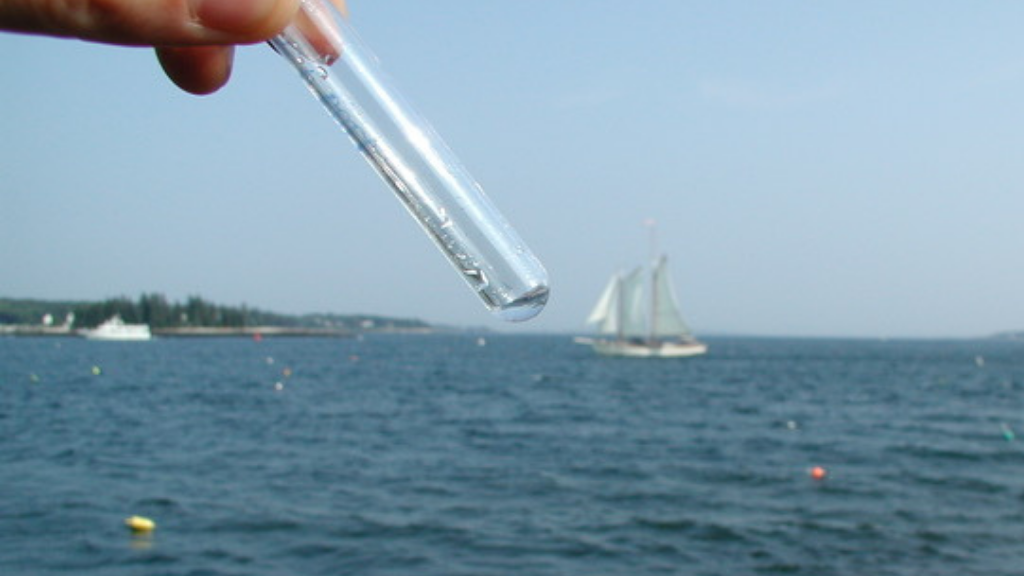 However, one expert says we need more proof these organisms actually eat viruses.
Optimizing of VCSEL photon lifetime for minimum energy consumption at varying bit rates
Phys.org - 24 Sep 2020 17:03 The explosive growth of internet use leads to an explosion of the energy consumption of data centers. Vertical cavity surface emitting lasers (VCSELs) are key enabling devices meeting the requirements of optical intercon...
Covid-19 news: Test and trace app goes live across England and Wales
New Scientist - 24 Sep 2020 19:51
The latest coronavirus news updated every day including coronavirus cases, the latest news, features and interviews from New Scientist and essential information about the covid-19 pandemic
Climate scientists uncover new record-low temperature in Greenland
Live Science - 24 Sep 2020 17:06 Climate archivists have found the coldest day ever in the Northern Hemisphere, set by Greenland in 1991
Parental Touch Reduces Pain Responses in Babies' Brains
Neuroscience News - 24 Sep 2020 21:38 Skin-to-skin contact between a parent and newborn reduces how strongly a baby's brain responds to pain.
Talc and petroleum jelly among the best lubricants for people wearing PPE, study finds
Science Daily - 24 Sep 2020 20:15
Talcum powder, a coconut oil-cocoa butter beeswax mixture, and petroleum jelly provide the best skin protection for long-term PPE use, say scientists.
The Four Most Promising Worlds for Alien Life in the Solar System
Singularity Hub - 24 Sep 2020 16:00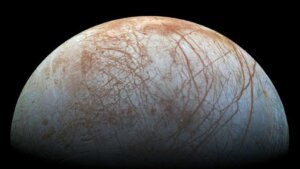 The Earth's biosphere contains all the known ingredients necessary for life as we know it. Broadly speaking these are: liquid water, at least one source of energy, and an inventory of biologically useful elements and mol...
The return of the spin echo
Phys.org - 24 Sep 2020 15:50 A research team from Garching and Vienna discovered a remarkable echo effect that offers exciting new possibilities for working with quantum information.
Beaked whales can hold their breath for over 3 hours (and possibly longer)
Live Science - 24 Sep 2020 15:12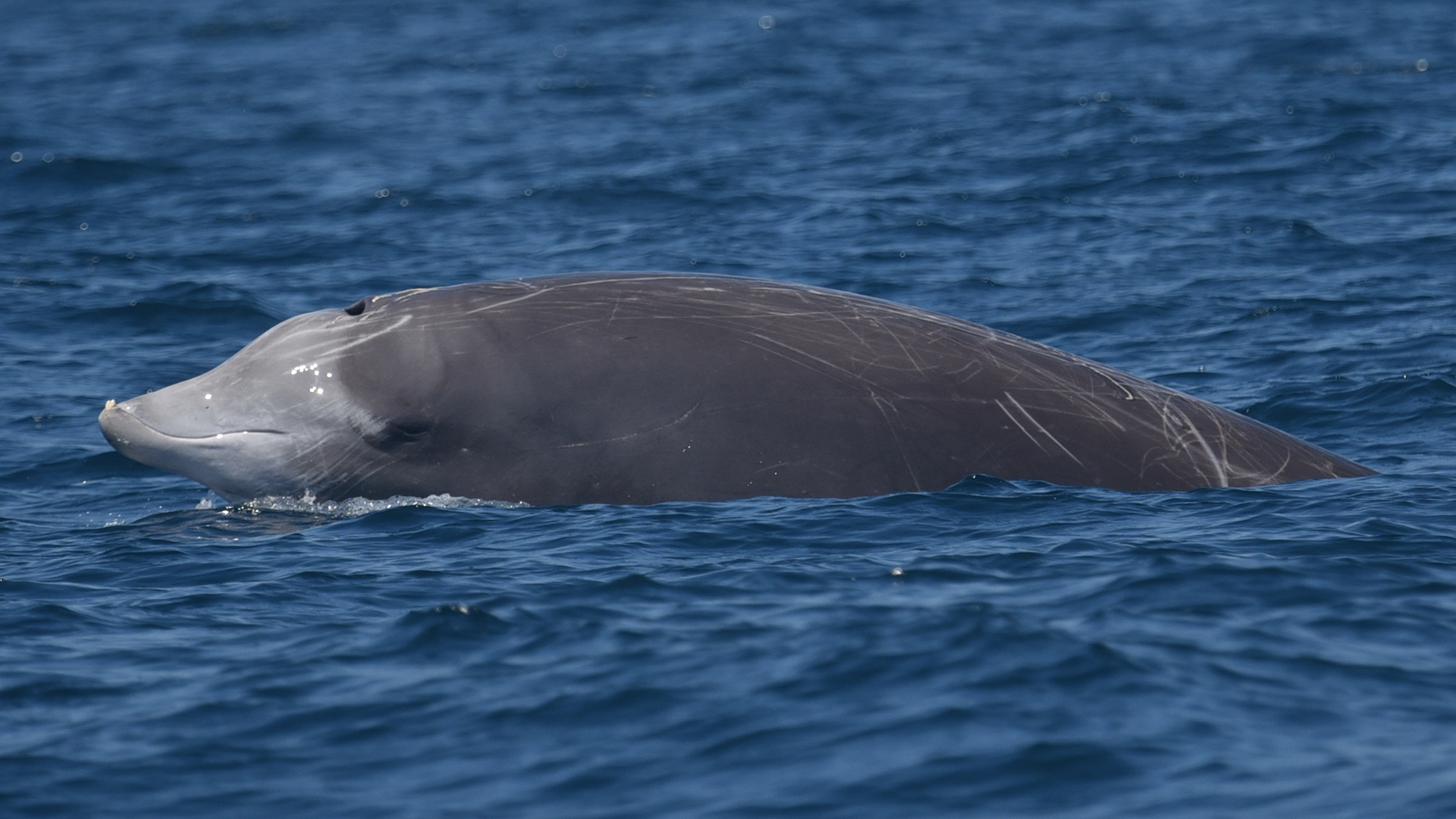 These deep-diving whales can stay submerged for more than an hour longer than once thought, and recover surprisingly quickly.
Coronavirus lockdown changed how birds sing in San Francisco
New Scientist - 24 Sep 2020 21:00
The uniquely quiet circumstances of the covid-19 restrictions in San Francisco saw birds respond by lowering their pitch, singing sexier songs and making their songs clearer
New species of tiny 'fairy shrimp' found in the world's hottest desert
New Scientist - 24 Sep 2020 18:12
Tiny shrimp have been found living in Iran's Lut desert, which has reached temperatures above 80°C. These shrimp have eggs that lay dormant for years when water is scarce
Variation in genes associated with viral entry of SARS-CoV-2 unlikely to influence COVID-19 morbidity and mortality, study finds
Science Daily - 24 Sep 2020 17:40
A comprehensive search of genetic variation databases has revealed no significant differences across populations and ethnic groups in seven genes associated with viral entry of SARS-CoV-2.
Loneliness levels high during COVID-19 lockdown
Science Daily - 24 Sep 2020 20:16
During the initial phase of COVID-19 lockdown, rates of loneliness among people in the UK were high and were associated with a number of social and health factors, according to a new study.
Some severe COVID-19 cases linked to genetic mutations or antibodies that attack the body
Science Daily - 24 Sep 2020 20:15
Two new studies offer an explanation for why COVID-19 cases can be so variable. A subset of patients has mutations in key immunity genes; other patients have auto-antibodies that target the same components of the immune ...
World first study links obesity with reduced brain plasticity
Science Daily - 24 Sep 2020 16:19
A world-first study has found that severely overweight people are less likely to be able to re-wire their brains and find new neural pathways, a discovery that has significant implications for people recovering from a st...
Astrocytes May Hold the Key to Why and How We Sleep
Neuroscience News - 24 Sep 2020 23:31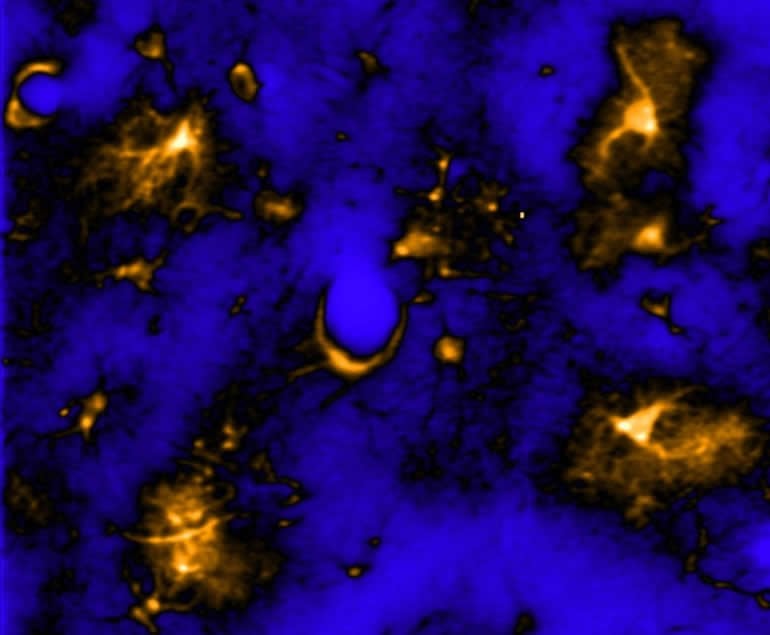 Astrocytes could be as important as neurons when it comes to regulating sleep.
How Changes in Healthy Brain Structure Affect Cognition
Neuroscience News - 24 Sep 2020 23:17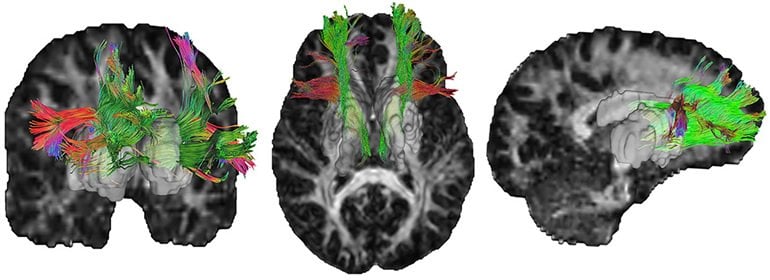 Neuroimaging study ties the degradation of circuitry in one area of the brain to reduced efficiency of executive function in older adults.
Study Links Obesity With Reduced Brain Plasticity
Neuroscience News - 24 Sep 2020 22:55 Obesity isn't just bad for physical health. Being overweight can have a significant impact on neurological health too. Researchers identified a link between obesity and reduced brain plasticity. Brain plasticity impairme...
Scientists achieve higher precision weak force measurement between protons, neutrons
Phys.org - 24 Sep 2020 22:00 Through a one-of-a-kind experiment at the Department of Energy's Oak Ridge National Laboratory, nuclear physicists have precisely measured the weak interaction between protons and neutrons. The result quantifies the weak...
New system detects faint communications signals using the principles of quantum physics
Phys.org - 24 Sep 2020 21:58 Researchers at the National Institute of Standards and Technology (NIST) have devised and demonstrated a system that could dramatically increase the performance of communications networks while enabling record-low error ...
A self-erasing chip for security and anti-counterfeit tech
Phys.org - 24 Sep 2020 21:50 Self-erasing chips developed at the University of Michigan could help stop counterfeit electronics or provide alerts if sensitive shipments are tampered with.
SpaceX pops Starship tank on purpose in explosive pressure test
Live Science - 24 Sep 2020 21:28 The Starship SN7.1 tank was destroyed on purpose at SpaceX's South Texas facilities, during a pressure test designed to take the stainless-steel hardware to its bursting point.
 Global
 Great Britain
 Indian
 South Africa