Science News
 American
Science News for 26 November 2020
American
Science News for 26 November 2020
Birds that rapidly moult feathers are more likely to become flightless
New Scientist - 26 Nov 2020 12:00
When birds moult feathers on both their wings at once, they must find food and avoid being hunted without flying - which could make them prone to becoming flightless
Aim to exceed weekly recommended physical activity level to offset health harms of prolonged sitting
Science Daily - 26 Nov 2020 04:07
The health harms associated with prolonged sitting can be offset by exceeding weekly recommended physical activity levels, says the World Health Organization (WHO) in new global guidelines on physical activity and sedent...
Swarms of 'primordial' black holes might fill our universe
Live Science - 26 Nov 2020 17:00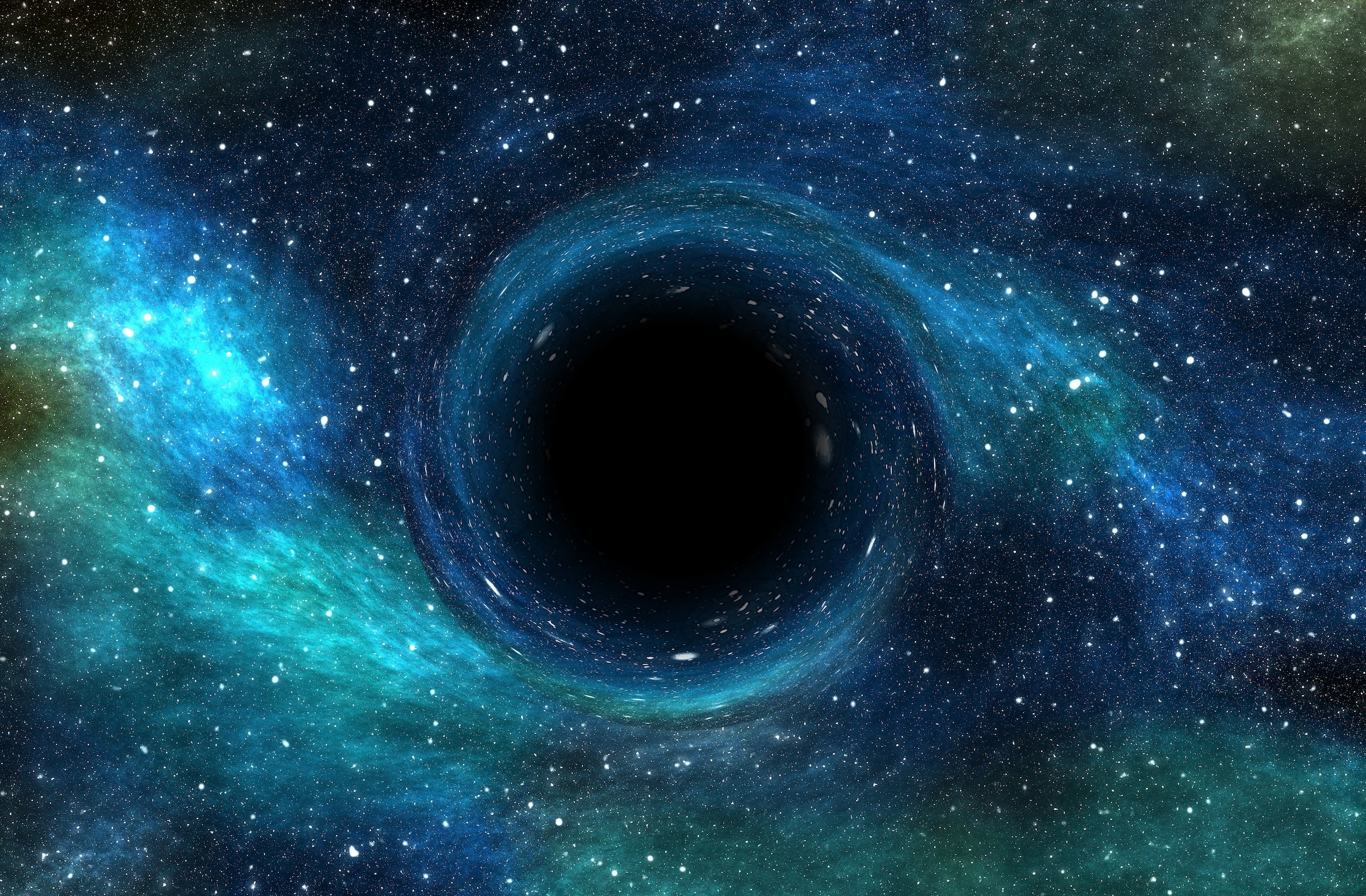 What if dark matter weren't a new type of matter at all, but huge swarms of tiny, "primordial" black holes?
High Blood Pressure in Midlife Is Linked to Increased Brain Damage in Later Life
Neuroscience News - 26 Nov 2020 04:54 Higher than average blood pressure during middle age is associated with an increased risk of and more extensive brain damage in old age.
Memories of Past Events Retain Remarkable Fidelity Even as We Age
Neuroscience News - 26 Nov 2020 02:36 People can recall memories of previous events with up to 94% accuracy, even as they age.
CRISPR gene editing of brain cells might prevent Alzheimer's disease
New Scientist - 27 Nov 2020 00:00
CRISPR gene editing could be used to introduce a rare gene variant that greatly reduces the risk of Alzheimer's, but it has only been tried in a dish so far
Climate change may make autumn leaves fall early and store less carbon
New Scientist - 26 Nov 2020 23:00
Tree leaves could start falling earlier in autumn due to climate change. The finding suggests forests will store significantly less carbon than expected as temperatures rise
Covid-19 news: New tiers announced for England after lockdown ends
New Scientist - 26 Nov 2020 21:13
The latest coronavirus news updated every day including coronavirus cases, the latest news, features and interviews from New Scientist and essential information about the covid-19 pandemic
NASA can't decide whether astronauts should wash their underwear
New Scientist - 26 Nov 2020 19:55
NASA has partnered with consumer goods firm Procter & Gamble to develop a detergent that can wash clothes in space. Up until now, NASA has found it more cost-efficient to dispose of dirty garments
A Sweet Thanksgiving for Our Galaxy
Physics Buzz - 26 Nov 2020 19:00
Sugar. A variant on the sweetest ingredient in many a sumptuous holiday feast, glycolaldehyde has now been found in a star-forming region of space far from the galactic center called G31.41+0.31, about 26,00 light years ...
Understanding traditional Chinese medicine can help protect species
Science Daily - 26 Nov 2020 17:59
Demystifying traditional Chinese medicine for conservationists could be the key to better protecting endangered species like pangolins, tigers and rhino, according to researchers. Efforts to shift entrenched values and b...
World's largest inventory of known plant species
Science Daily - 26 Nov 2020 17:59
Researchers have compiled the world's most comprehensive list of known plant species. It contains 1,315,562 names of vascular plants, thus extending the number by some 70,000 - equivalent to about 20%. The researchers ha...
Scientists develop new gene therapy for eye disease
Science Daily - 26 Nov 2020 17:59
Scientists have developed a new gene therapy approach that offers promise for one day treating an eye disease that leads to a progressive loss of vision and affects thousands of people across the globe. The study also ha...
Is China winning the new space race?
Live Science - 26 Nov 2020 17:55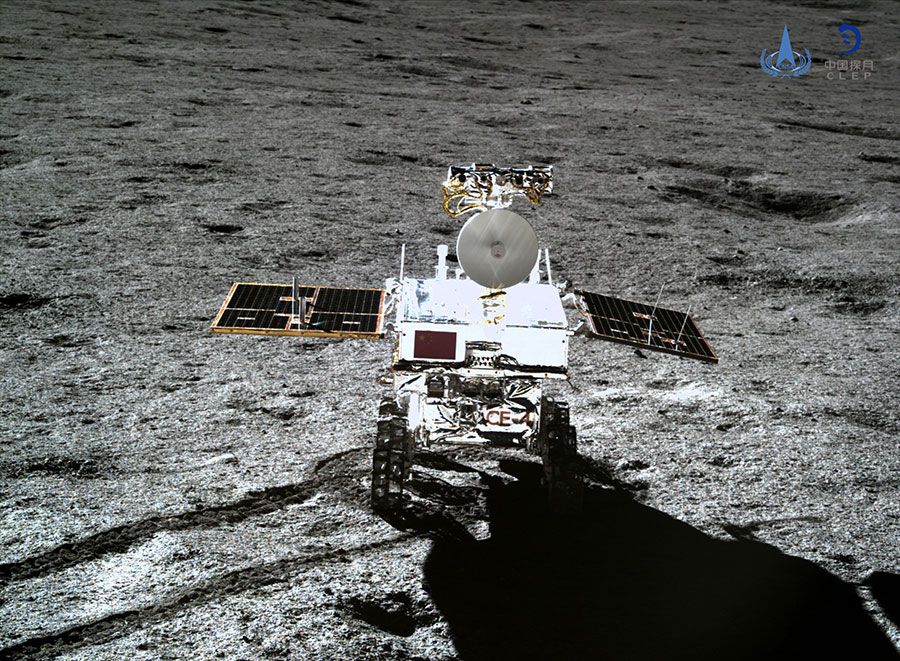 China has been the only country to land on the moon for over 40 years - since the Soviet Luna program.
Swarm of eels breaks record for most fish ever spotted at one time in abyssal ocean
Live Science - 26 Nov 2020 17:50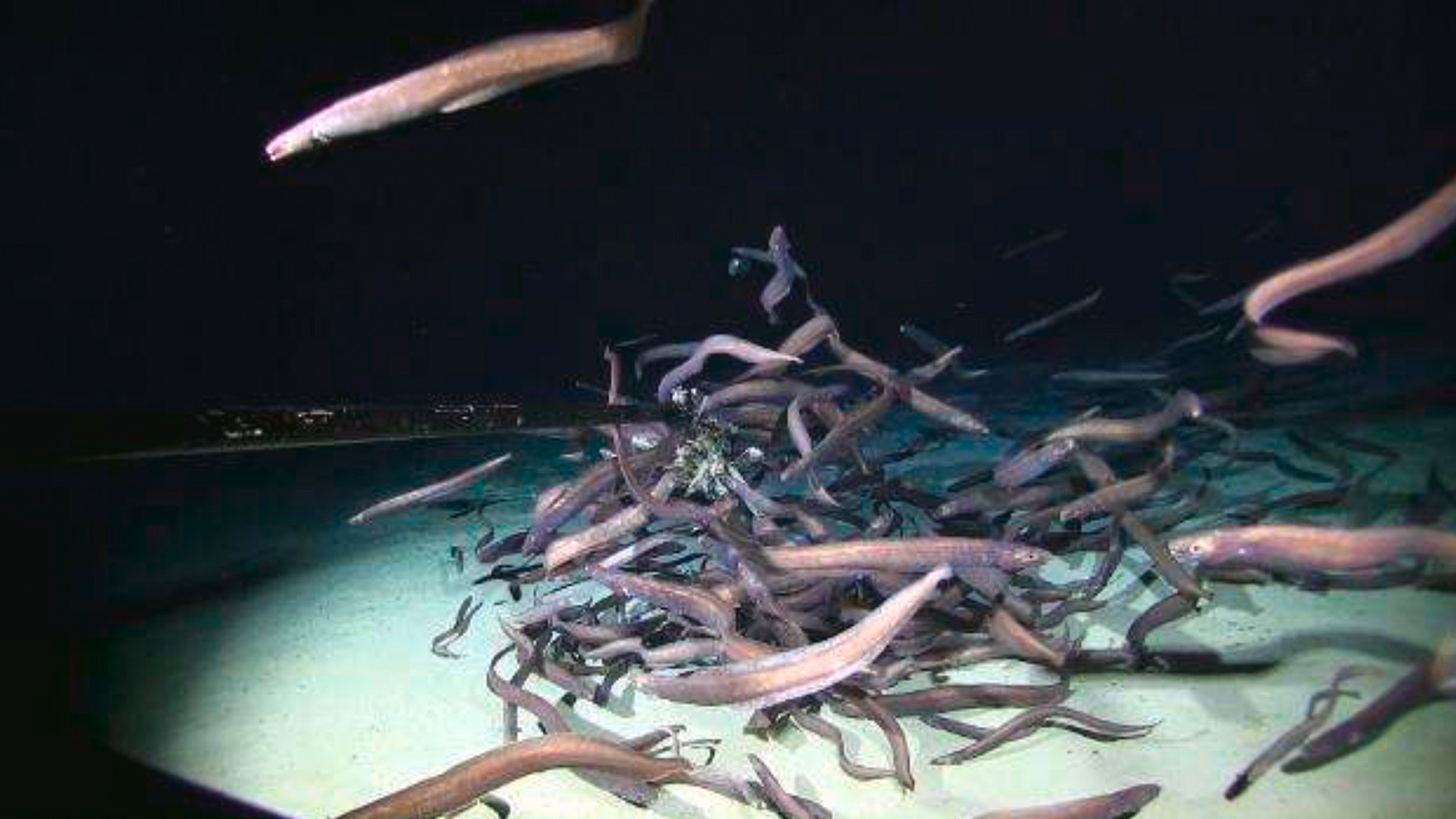 Before we start mining for precious metals in the darkness of the deep sea, we might try switching on the light first and observing our surroundings.
T-ray technology reveals what's getting under your skin
Phys.org - 26 Nov 2020 17:31 A new method for analyzing the structure of skin using a type of radiation known as T-rays could help improve the diagnosis and treatment of skin conditions such as eczema, psoriasis and skin cancer.
Megalodon nurseries reveal world's largest shark had a soft side
Live Science - 26 Nov 2020 17:00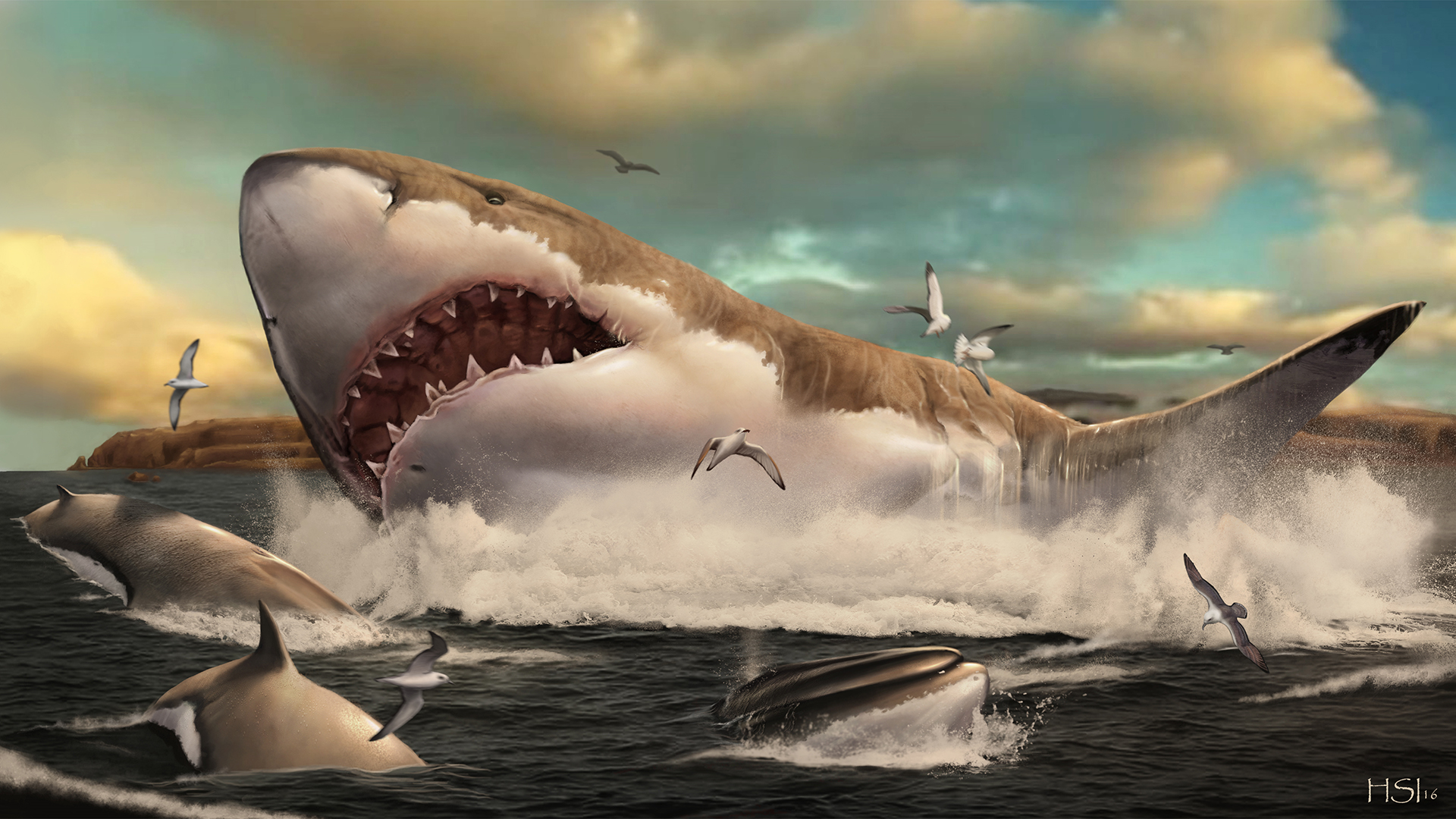 Scientists have identified five locations that the extinct predator Megalodon used as "nurseries" for young sharks.
Why do cats meow?
Live Science - 26 Nov 2020 16:00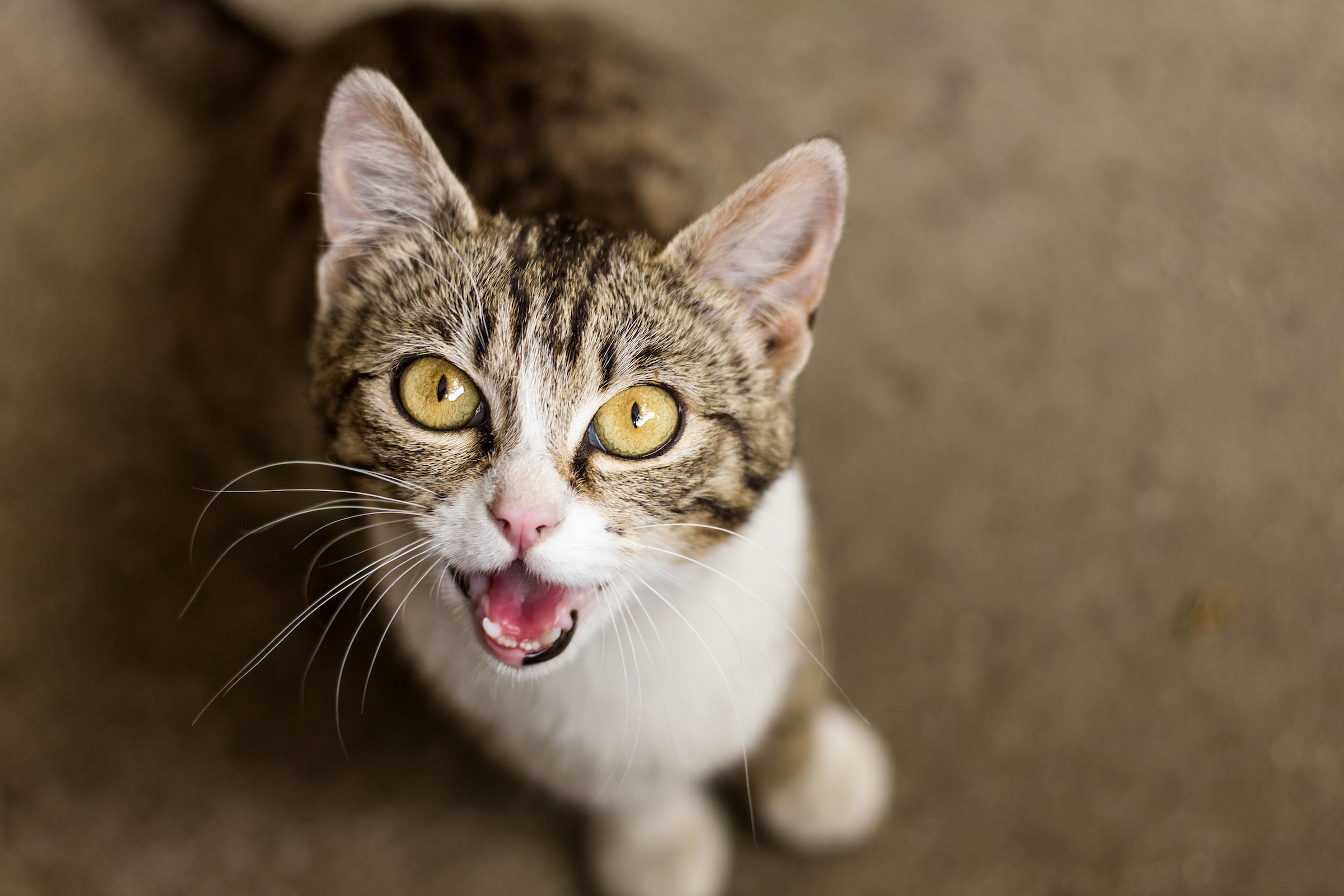 Meowing is a tool to get you to do their bidding.
Double climate disaster may have ended ancient Harappan civilisation
New Scientist - 26 Nov 2020 15:44
The Harappan lived 5200 years ago in the Indus valley in huge complicated cities before the society eventually disappeared. Now it seems that two droughts in short succession could have been responsible for the downfall
Possessor review: One of the best and smartest films of the decade
New Scientist - 26 Nov 2020 14:22
Possessor follows an assassin who can weaponise the minds and bodies of other people. It is extremely gruesome, but if you can stomach it, it is an excellent film, says Linda Marric
Endangered animals threatened by pandemic as eco-tourists stay home
New Scientist - 26 Nov 2020 13:00
The eco-tourism that funds many conservation programmes has largely stopped during the covid-19 pandemic, which could lead to losses of endangered animals
Endangered animals threatened by pandemic as ecotourists stay home
New Scientist - 26 Nov 2020 13:00
The ecotourism that funds many conservation programmes has largely stopped during the covid-19 pandemic, which could lead to losses of endangered animals
 Global
 Great Britain
 Indian
 South Africa