Science News
 American
Science News for 5 January 2021
American
Science News for 5 January 2021
Using Artificial Intelligence to Find New Uses for Existing Medications
Neuroscience News - 5 Jan 2021 02:23 A new machine-learning algorithm is assisting researchers to determine which existing drugs can be repurposed effectively for other conditions.
Making therapeutic sense of antisense oligonucleotides
Science Daily - 5 Jan 2021 16:56
Researchers have devised a molecular structural modification that boosts the efficacy of antisense oligonucleotide-based drugs by replacing the RNA strand of a heteroduplex oligonucleotide with DNA. This advance expands ...
Is there more than one dark energy?
Live Science - 5 Jan 2021 14:40 What if there is more than one cosmological agent for dark energy? This mixture would have strange effects in our universe, making it potentially detectable with upcoming surveys.
Covid-19 news: Third England lockdown could last until March
New Scientist - 5 Jan 2021 19:13
The latest coronavirus news updated every day including coronavirus cases, the latest news, features and interviews from New Scientist and essential information about the covid-19 pandemic
Vaping Combined With Smoking Is Likely as Harmful as Smoking Cigarettes Alone
Neuroscience News - 5 Jan 2021 03:13 Mixing traditional cigarettes with vaping products is as detrimental to health as smoking cigarettes alone, a new study reports.
Clinical Criteria for Diagnosing Autism Inadequate for People With Genetic Conditions
Neuroscience News - 5 Jan 2021 02:34 People with one of four genetic disorders express symptoms associated with autism, although they do not meet the criteria for ASD diagnosis.
Traditional Stereotypes About Masculinity May Help Explain Support for Trump
Neuroscience News - 5 Jan 2021 01:36 Men and women who endorsed hegemonic masculinity were more likely to vote for, and have positive opinions of Trump.
Gum disease-causing bacteria borrow growth molecules from neighbors to thrive
Science Daily - 5 Jan 2021 23:08
The human body is filled with friendly bacteria. However, some of these microorganisms, such as Veillonella parvula, may be too nice. These peaceful bacteria engage in a one-sided relationship with pathogen Porphyromonas...
COVID-19 unmasked: Math model suggests optimal treatment strategies
Science Daily - 5 Jan 2021 23:08
A biology-based mathematical model indicates why COVID-19 outcomes vary widely and how therapy can be tailored to match the needs of specific patient groups.
Heat Treatment May Make Chemotherapy More Effective
Neuroscience News - 5 Jan 2021 22:26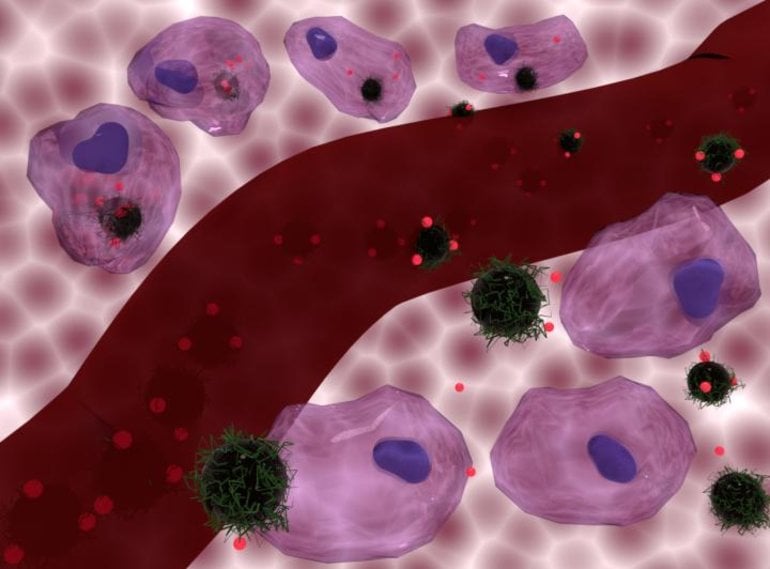 Heating up cancer cells as they are being targeted with chemotherapy appears to be a highly effective way of killing them off.
Danish and Chinese Tongues Taste Broccoli and Chocolate Differently
Neuroscience News - 5 Jan 2021 22:12 Ethnicity may play a role in the perception of bitter tastes, a new study reports. Researchers say this could be related to anatomical differences on the surface of the tongue.
Increase in Pleasurable Effects of Alcohol Over Time Can Predict Alcohol Use Disorder
Neuroscience News - 5 Jan 2021 21:42 People who are most sensitive to the pleasurable and rewarding effects of alcohol are at greater risk of developing alcohol use disorders.
Woman's garden 'stepping stone' turns out to be an ancient Roman artifact
Live Science - 5 Jan 2021 21:38 Nobody knows how this 1,800-year-old Roman carving ended up in an English garden.
AI illustrator draws imaginative pictures to go with text captions
New Scientist - 5 Jan 2021 21:00
An OpenAI neural network creates outlandish images - armchairs shaped like avocados or dinosaurs in tuxedos - from a few words of text
Routine eye scans may give clues to cognitive decline in diabetes
Science Daily - 5 Jan 2021 20:57
As they age, people with diabetes are more likely to develop Alzheimer's disease and other cognitive disorders than are people without diabetes. Scientists now have shown that routine eye imaging can identify changes in ...
How COVID-19 Is Likely to Impact the Brain
Neuroscience News - 5 Jan 2021 20:55 Using over a century of data from other pandemics, and applying knowledge about the current COVID-19 infection, researchers predict the long term effects coronavirus will have on the brain and nervous system.
Repeated Ketamine Infusions Reduce PTSD Symptom Severity
Neuroscience News - 5 Jan 2021 20:24 A series of ketamine infusions reduced PTSD symptoms by up to 30% from baseline compared to treatment with midazolam, which reduced symptoms by 20% over the same period. Ketamine treatment significantly reduced three of ...
Repeated ketamine infusions reduce PTSD symptom severity
Science Daily - 5 Jan 2021 20:01
Repeated intravenous (IV) ketamine infusions significantly reduce symptom severity in individuals with chronic post-traumatic stress disorder (PTSD) and the improvement is rapid and maintained for several weeks afterward...
Self-controlled children tend to be healthier middle-aged adults
Science Daily - 5 Jan 2021 20:01
Self-control of one's thoughts, feelings and behaviors is one of the personality traits that makes a child ready for school. And, it turns out, ready for life as well. A large study tracking 1,000 people from birth throu...
Heat treatment may make chemotherapy more effective
Science Daily - 5 Jan 2021 20:01
The study found that 'loading' a chemotherapy drug on to tiny magnetic particles that can heat up the cancer cells at the same time as delivering the drug to them was up to 34% more effective at destroying the cancer cel...
Sweat, bleach and gym air quality: Chemical reactions make new airborne chemicals
Science Daily - 5 Jan 2021 20:01
One sweaty, huffing, exercising person emits as many chemicals from their body as up to five sedentary people, according to a new study. And notably, those human emissions, including amino acids from sweat or acetone fro...
Bone fracture risk may increase when critical enzymatic processes decline
Science Daily - 5 Jan 2021 20:01
A loss of enzymatic processes within the body can increase a person's risk of bone fracture.
 Global
 Great Britain
 Indian
 South Africa