Science News
 American
Science News for 10 March 2021
American
Science News for 10 March 2021
Your brain warps your memories so you can remember them better
Live Science - 10 Mar 2021 14:00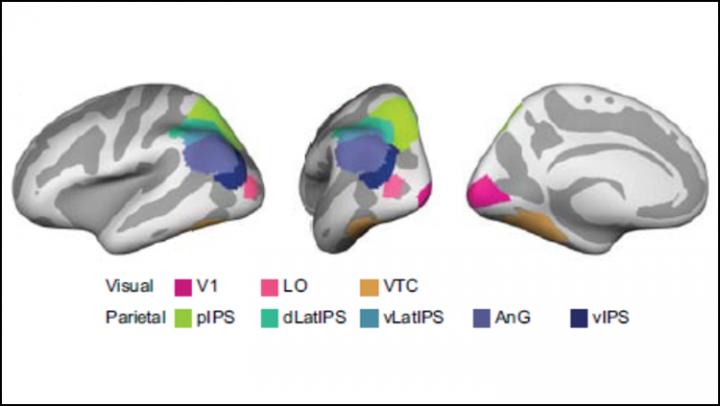 The brain exaggerates the differences between similar memories in order to recall them more effectively.
LS2 report: CERN's oldest accelerator awakens
Phys.org - 10 Mar 2021 16:10 "Synchrotron (PS) is the beating heart of CERN's accelerator system. Situated at the center of the complex, it feeds particle beams not only to the Large Hadron Collider (LHC), but to many of CERN's major facilities, inc...
Helpful Behavior During Pandemic Tied to Recognizing Common Humanity
Neuroscience News - 10 Mar 2021 23:43 People who displayed pro-social behaviors, including wearing masks or donating goods, even when it came at a personal cost, were more likely to be aware of the connections they share with other people.
Playing games with quantum interference
Phys.org - 10 Mar 2021 23:02 As Richard Feynman famously put it, "the double slit experiment is absolutely impossible to explain in any classical way and has in it the heart of quantum mechanics. In reality, it contains the only mystery."
Making Decisions Based on How We Feel About Memories, Not Accuracy
Neuroscience News - 10 Mar 2021 22:43 Objective and subjective memories function independently and involve different areas of the brain. People who make decisions based on subjective memory rely more on how they feel about the memory than on the accuracy of ...
Scientists have synthesized a new high-temperature superconductor
Phys.org - 10 Mar 2021 22:39 An international team led by Artem R. Oganov, a Professor at Skoltech and MISIS, and Dr. Ivan Troyan from the Institute of Crystallography of RAS performed theoretical and experimental research on a new high-temperature ...
Defining the Parkinson's Microbiome Strengthens Links to Gut Health
Neuroscience News - 10 Mar 2021 22:25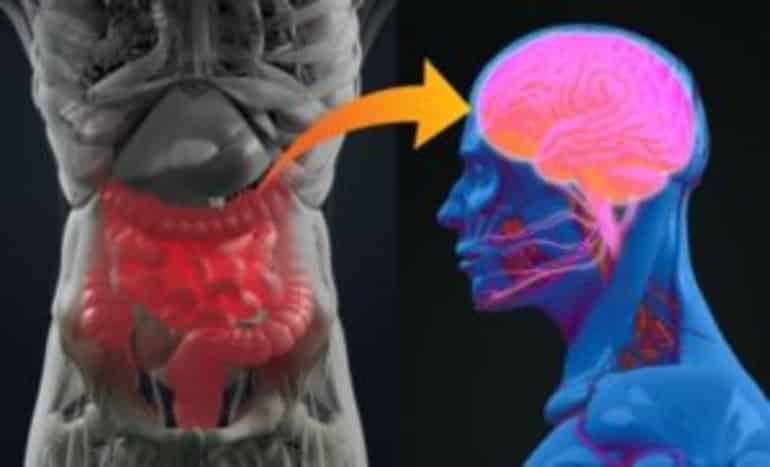 A meta-analysis study reveals alterations in the gut microbiome may trigger gastrointestinal problems associated with Parkinson's disease. Additionally, the gastrointestinal problems may occur years before other Parkinso...
1st COVID-19 vaccine vial used in the US headed to museum
Live Science - 10 Mar 2021 22:23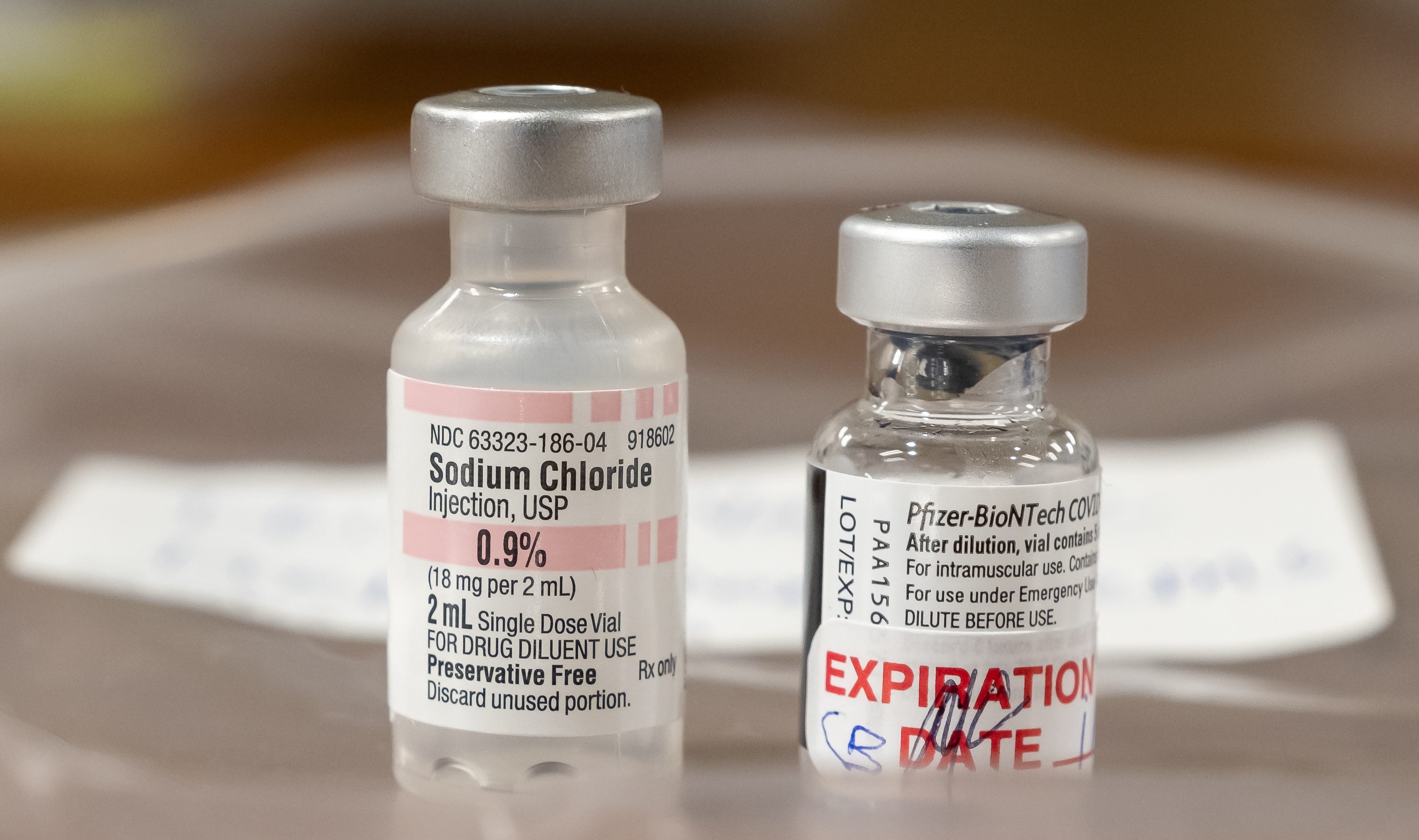 The historic shot was administered to New York nurse Sandra Lindsay on Dec. 14.
Aspirin use for cardiovascular disease may reduce likelihood of COVID-19 infection, study finds
Science Daily - 10 Mar 2021 22:04
In a recent study, aspirin use to avoid the development of cardiovascular diseases in healthy individuals was associated with a 29 percent lower likelihood of COVID-19 infection, as compared to aspirin non-users. The pro...
High rates of depression, anxiety, PTSD worldwide among health workers during COVID-19
Science Daily - 10 Mar 2021 22:04
A new systematic review of 65 studies from around the world involves a total of 97,333 health care workers and finds that one in five have experienced depression, anxiety, and/or PTSD during the ongoing COVID-19 pandemic...
Riding the wave to memory-forming genetics
Science Daily - 10 Mar 2021 22:03
Scientists have identified key genes involved in brain waves that are pivotal for encoding memories. The findings could eventually be used to develop novel therapies for people with memory loss disorders such as Alzheime...
China and Russia say they will join forces to build moon base
Live Science - 10 Mar 2021 21:59 Two of the world's most powerful spacefaring nations are teaming up for their most ambitious project yet: a Chinese-Russian research station on the moon.
Alzheimer's Disease Protein Linked to Common Sight Loss
Neuroscience News - 10 Mar 2021 21:51 Exposing retinal pigment epithelium cells in mouse models to amyloid-beta resulted in retinal pathologies similar to those seen in human age-related macular degeneration.
Why were dozens of people butchered 6,200 years ago and buried in a Neolithic death pit?
Live Science - 10 Mar 2021 21:01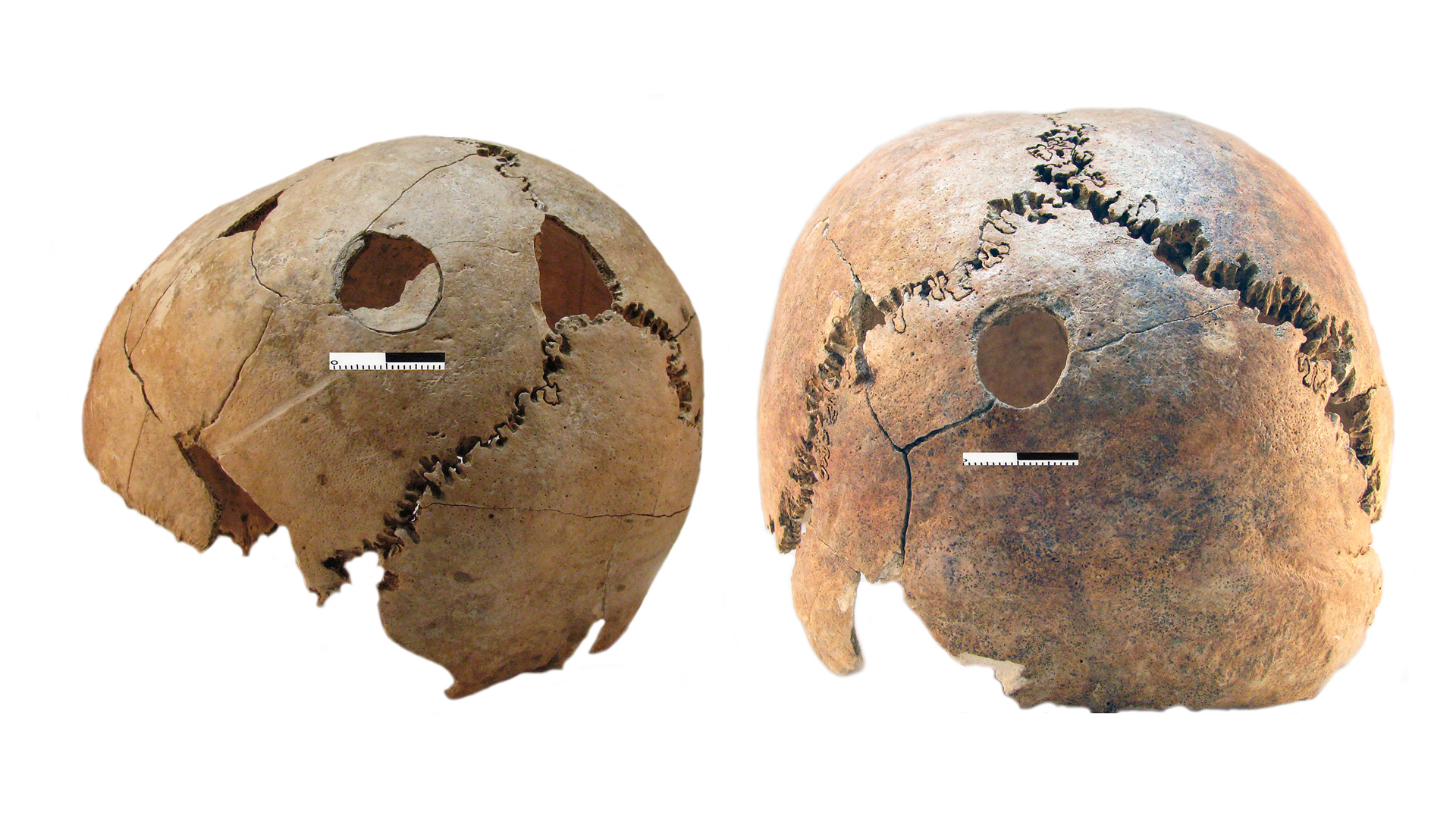 A mass grave in Croatia holds dozens of skeletons, and genetic information reveals new clues about how they died.
Wooden floors rotted by fungi generate electricity when walked on
New Scientist - 10 Mar 2021 21:00
Compressing wood generates tiny amounts of electricity through the so-called piezoelectric effect - and if the wood is partially rotted by fungi first the effect is 55 times stronger
Nano-engineered sponge could soak up oil spills in cold Arctic waters
New Scientist - 10 Mar 2021 21:00
A sponge coated with a paraffin-like material can suck up 99 per cent of oil from water at 5°C, offering a solution to crude oil spills in Arctic environments
DNA reveals ancient Croatian massacre was an indiscriminate killing
New Scientist - 10 Mar 2021 21:00
A genetic analysis of prehistoric remains found in a mass grave in Croatia reveals the victims were men, women and children with few family links, suggesting an indiscriminate massacre
I Ain't Afraid of No Ghosts: People With Mind-Blindness Not So Easily Spooked
Neuroscience News - 10 Mar 2021 20:50 Horror writers may have a hard time attracting those with aphantasia to read their spooky stories. A new study reveals those with aphantasia, a disorder marked by an inability to visualize mental imagery, have a hard tim...
Study of mosquito protein could lead to treatments against life-threatening viruses
Science Daily - 10 Mar 2021 20:23
The mosquito protein AEG12 strongly inhibits the family of viruses that cause yellow fever, dengue, West Nile, and Zika and weakly inhibits coronaviruses, according to scientists. The researchers found that AEG12 works b...
Gut Microbes May Hold the Key for Treating Neurological Disorders
Neuroscience News - 10 Mar 2021 20:23 In mouse models of neurodevelopmental disorders, researchers found social deficits were mediated by microbes in the gut. By contrast, hyperactivity is controlled by genetics. Treatment with a specific microbe helped impr...
Covid-19: The story of a pandemic
New Scientist - 10 Mar 2021 20:11
A timeline of the coronavirus pandemic, from the first cases in China in December 2019 to 300 million vaccine doses delivered (and counting)
Extinction denialism is a worrying new anti-science movement
New Scientist - 10 Mar 2021 20:00
There are a growing number of people who deny the threats that many species face. It is a worrying trend, writes Graham Lawton
 Global
 Great Britain
 Indian
 South Africa