Science News
 American
Science News for 28 May 2021
American
Science News for 28 May 2021
The Robot Smiled Back
Neuroscience News - 28 May 2021 23:52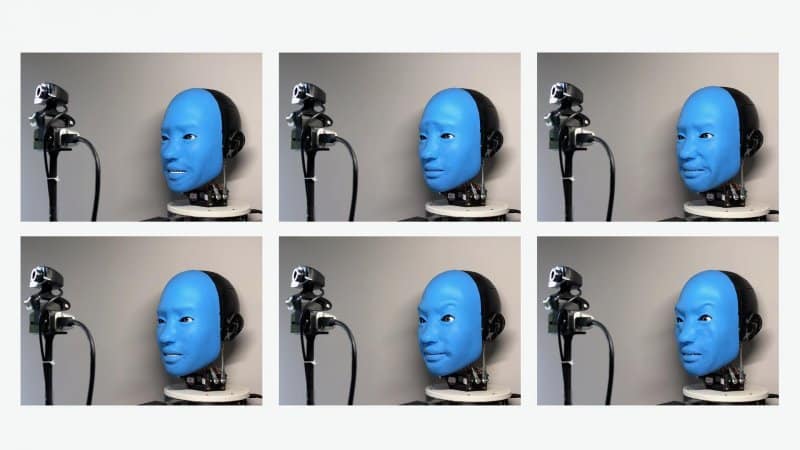 Applying AI technology, researchers teach a robot to make appropriate reactive human facial expressions. Scientists say this could help build trust between humans and the humanoid robots they interact with.
Tiniest Of Moments Proves Key for Baby's Healthy Brain
Neuroscience News - 28 May 2021 23:31 Study identifies a critical role a protein called Cep55 plays in brain development and abscission, the final step in cell division.
Depressive symptoms linked to rapid kidney function decline
Science Daily - 28 May 2021 23:17
Among individuals with healthy kidneys, those with more frequent depressive symptoms were more likely to show signs of rapid kidney function decline over a median follow-up of 4 years.
Two Halves of the Hippocampus Have Different Gene Activity
Neuroscience News - 28 May 2021 22:19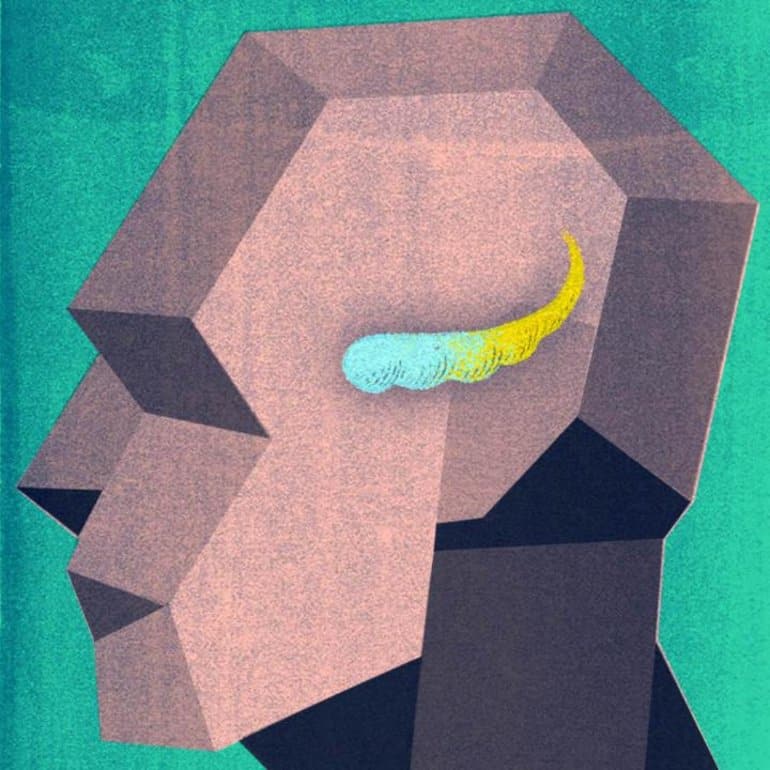 Researchers have identified significant differences in gene activity between the anterior and posterior areas of the hippocampus. Genes associated with depression and other mood disorders are more active in the anterior ...
The human genome has finally been completely sequenced after 20 years
New Scientist - 28 May 2021 22:04
Two decades after the first drafts of the human genome were published, new sequencing technologies mean it is finally complete - and could show us more than ever
Waking Just One Hour Earlier Cuts Depression Risk by Double Digits
Neuroscience News - 28 May 2021 21:56 Changing your sleep schedule by one hour has a significant impact on risk factors for major depression. Going to sleep and waking one hour earlier than usual was associated with a 23% decreased risk of developing depress...
Why Is It so Hard to Withdraw From Some Antidepressants?
Neuroscience News - 28 May 2021 21:26 A new study reveals the molecular and cellular mechanisms behind why some people find it harder to stop using antidepressants than others with depression.
Declining biodiversity in wild Amazon fisheries threatens human diet
Science Daily - 28 May 2021 21:25
A new study of dozens of wild fish species commonly consumed in the Peruvian Amazon says that people there could suffer major nutritional shortages if ongoing losses in fish biodiversity continue. Furthermore, the increa...
New tool activates deep brain neurons by combining ultrasound, genetics
Science Daily - 28 May 2021 21:05
A team has developed a new brain stimulation technique using focused ultrasound that is able to turn specific types of neurons in the brain on and off and precisely control motor activity without surgical device implanta...
New CRISPR tools help contain mosquito disease transmission
Science Daily - 28 May 2021 20:48
Scientists have developed a genetics toolkit that helps pave the way to a gene drive designed to stop Culex mosquitoes from spreading disease. Much less studied than other genera, Culex mosquitoes spread devastating affl...
Covid-19 news: More than 38% of new UK cases are due to Indian variant
New Scientist - 28 May 2021 20:30
The latest coronavirus news updated every day including coronavirus cases, the latest news, features and interviews from New Scientist and essential information about the covid-19 pandemic
5 charts that tell the story of how the coronavirus pandemic unfolded
New Scientist - 28 May 2021 19:53
Hannah Ritchie from Our World In Data picks her top five charts that show how the coronavirus pandemic has played out across the world
Exoskeleton therapy improves mobility, cognition and brain connectivity in people with MS
Science Daily - 28 May 2021 19:34
A team of multiple sclerosis (MS) experts led a pilot randomized controlled trial of robotic-exoskeleton assisted exercise rehabilitation (REAER) effects on mobility, cognition, and brain connectivity in people with subs...
Climate change makes West Nile virus outbreaks 'plausible' in UK
Science Daily - 28 May 2021 18:59
Climate change will make outbreaks of West Nile virus more likely in the UK within the next 20-30 years, a new study has found. A new scientific model shows the risk of the mosquito-borne pathogen spreading to the countr...
Researchers discover drug that blocks multiple SARS-CoV-2 variants in mice
Science Daily - 28 May 2021 18:59
A small molecule STING agonist was highly protective against the virus that causes COVID-19 and likely other coronaviruses, researchers have found.
Dark matter map reveals new filaments connecting galaxies
Live Science - 28 May 2021 18:50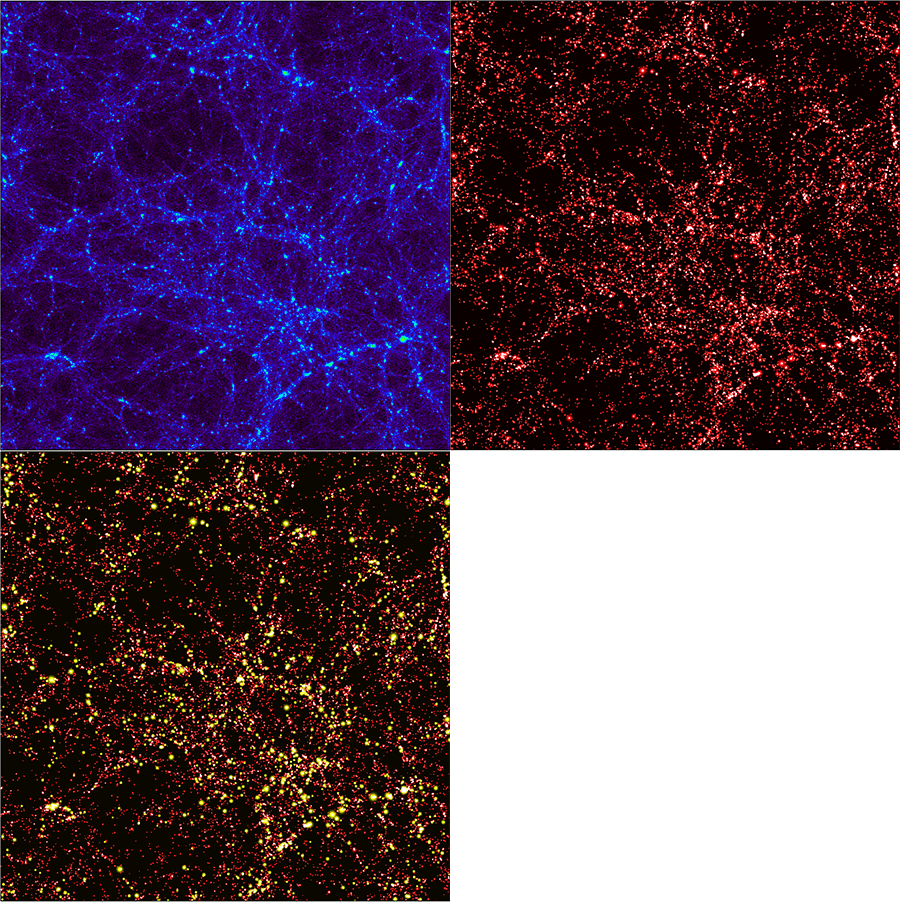 A new map of the local universe created with machine learning reveals filaments of dark matter connecting galaxies.
Did covid-19 come from a lab or an animal? This is how we'll find out
New Scientist - 28 May 2021 18:47
The debate over covid-19's origins rumbles on. What is the evidence for and against a lab leak? And what evidence will finally prove it one way or another?
Hannah Ritchie interview: The woman giving covid-19 data to the world
New Scientist - 28 May 2021 17:55
In the first of a new series of pandemic profiles, New Scientist talks to Hannah Ritchie, who reveals what it's like to provide presidents and the public with vital covid-19 data and what the trends suggest the virus has...
Tiniest of moments proves key for baby's healthy brain
Science Daily - 28 May 2021 17:41
The new findings identify a potential contributor to microcephaly, a birth defect in which the head is underdeveloped and abnormally small.
Waking just one hour earlier cuts depression risk by double digits, study finds
Science Daily - 28 May 2021 17:41
A genetic study of 840,000 people found that shifting sleep time earlier by just an hour decreases risk of major depression by 23 percent.
Japan's hands-off formula in disciplining schoolchildren works. Is it worth a try elsewhere?
Science Daily - 28 May 2021 17:40
A look at Japan's mimamoru approach suggests that adults' non-intervention in kids' fights allows children to nurture social and interpersonal skills on their own. Is it worth a try in other countries?
Alzheimer's: Blood oxygen levels could explain why memory loss is an early symptom
Science Daily - 28 May 2021 17:40
Scientists have recorded blood oxygen levels in the hippocampus and provided experimental proof for why the area, commonly referred to as 'the brain's memory center', is vulnerable to damage and degeneration, a precursor...
 Global
 Great Britain
 Indian
 South Africa