Science News
 American
Science News for 21 July 2021
American
Science News for 21 July 2021
Flexible computer processor is the most powerful plastic chip yet
New Scientist - 21 Jul 2021 18:00
UK computer chip designer Arm has made a 32-bit bendable processor, which is a flexible plastic sheet with a circuit and other components printed onto it
Has the tomb of Alexander the Great's mom been found? Experts are doubtful.
Live Science - 21 Jul 2021 13:16 A researcher claims to have identified the long-lost tomb of Olympias, the mother of Alexander the Great. But other scholars are skeptical.
"Magic-angle" trilayer graphene may be a rare, magnet-proof superconductor
EurekAlert! - 21 Jul 2021 06:00
(Massachusetts Institute of Technology) MIT physicists have observed signs of a rare type of superconductivity in a material called "magic-angle" twisted trilayer graphene. They report that the material exhibits supercon...
Evidence of sustained benefits of pimavanserin for dementia-related psychosis
Science Daily - 21 Jul 2021 23:27
Researchers have published evidence of the sustained benefits of an investigational antipsychotic treatment for people with dementia-related psychosis.
Dynamic heart model mimics hemodynamic loads, advances engineered heart tissue technology
Science Daily - 21 Jul 2021 23:27
A new model mimics physiologic loads on engineering heart muscle tissues, yielding an unprecedented view of how genetics and mechanical forces contribute to heart muscle function.
Researchers find immune component to rare neurodegenerative disease
Science Daily - 21 Jul 2021 23:27
Researchers have identified an immune protein tied to the rare neurodegenerative condition known as Niemann-Pick disease type C. The finding, made in mouse models, could offer a powerful new therapeutic target for Nieman...
New study confirms relationship between toxic pollution, climate risks to human health
Science Daily - 21 Jul 2021 23:27
In a new study that combines assessments of the risks of toxic emissions, nontoxic emissions and people's vulnerability to them, researchers found a strong and statistically significant relationship between the spatial d...
Exoskeletons have a problem: They can strain the brain
Science Daily - 21 Jul 2021 23:26
Exoskeletons - wearable devices used by workers on assembly lines or in warehouses to alleviate stress on their lower backs - may compete with valuable resources in the brain while people work, canceling out the physical...
Exoskeletons Have a Problem: They Can Strain the Brain
Neuroscience News - 21 Jul 2021 23:06 Exoskeleton devices used to help alleviate stress to the lower back may compete with neural resources, canceling out the benefits of wearing them.
Kids Eat More Fruit and Vegetables With Longer Seated Lunch Time
Neuroscience News - 21 Jul 2021 22:39 The more time a child is allowed to sit at the lunch table, the more likely they are to eat healthier foods like fruits and vegetables. Researchers say extending eating times at school could help promote healthier diet c...
Study Links Cognitive Decline With Both Bone Loss and Fracture Risk
Neuroscience News - 21 Jul 2021 22:20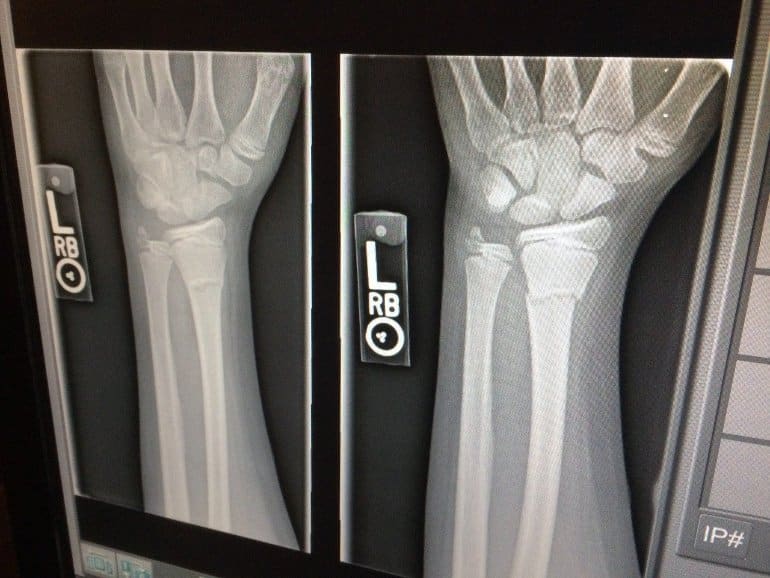 Cognitive decline was associated with accelerated bone loss and an increased risk of fractures in older women.
Wearable Brain-Machine Interface Turns Intentions Into Actions
Neuroscience News - 21 Jul 2021 21:59 A new brain-machine interface allows wearers to wirelessly control a wheelchair or robotic arm by simply imagining an action. The neuroprosthesis could help improve the quality of life for those with disabilities.
How Has the COVID-19 Pandemic Affected Our Dreams?
Neuroscience News - 21 Jul 2021 21:15 From more frequent sleep disruptions to increased lucid dreams, a new study investigates how the COVID-19 pandemic has impacted sleep and dreaming.
Those Who Are More Creative Can Think Of Ideas With Greater "Distances" Between Them
Neuroscience News - 21 Jul 2021 20:43 A simple exercise of naming unrelated words and measuring the semantic distance between the words could serve as an objective measure of personal creativity, a new study reports.
4.6 billion-year-old meteorite found in horseshoe footprint
Live Science - 21 Jul 2021 20:31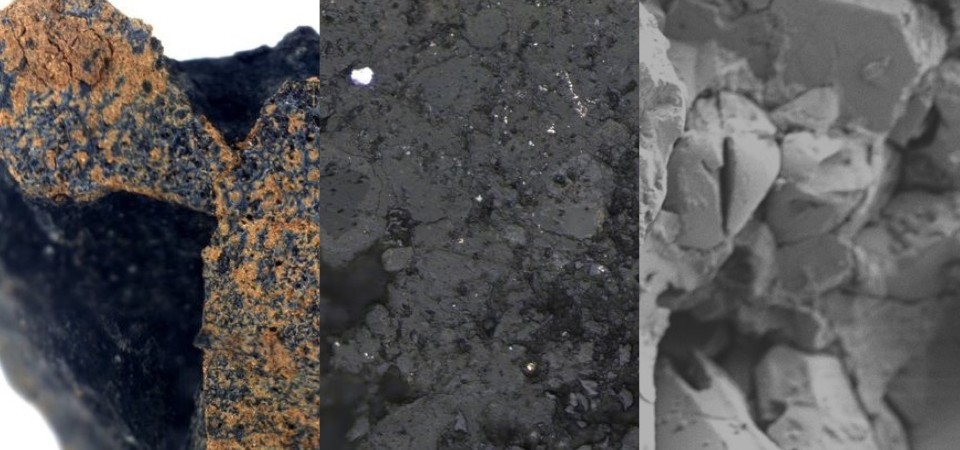 A meteorite found nestled in a horseshoe imprint in England was formed in the early days of the solar system and may contain the building blocks of life.
Lifting advice doesn't stand up for everyone, study finds
Science Daily - 21 Jul 2021 20:20
Commonly accepted advice to keep a straight back and squat while lifting in order to avoid back pain has been challenged by new research. The research examined people who had regularly performed manual lifting through th...
Ibrutinib effective treatment for difficult-to-treat forms of hairy cell leukemia, study finds
Science Daily - 21 Jul 2021 20:19
The oral targeted therapy drug ibrutinib is an effective treatment option for high-risk hairy cell leukemia, according to a new study.
Study links vaccine immune response to age
Science Daily - 21 Jul 2021 20:19
Older people appear to have fewer antibodies against the novel coronavirus, a new laboratory study suggests. With vaccine uptake slowing in Oregon and across United States, researchers say their findings underscore the i...
Chromosomes separation under focus
Science Daily - 21 Jul 2021 20:19
During cell division, chromosomes are duplicated and separated so that one copy of each chromosome is inherited by each of the two emerging daughter cells. Correct distribution of chromosomes requires high accuracy and d...
No life will survive the death of the sun -- but new life could be born after, new research suggests
Live Science - 21 Jul 2021 20:02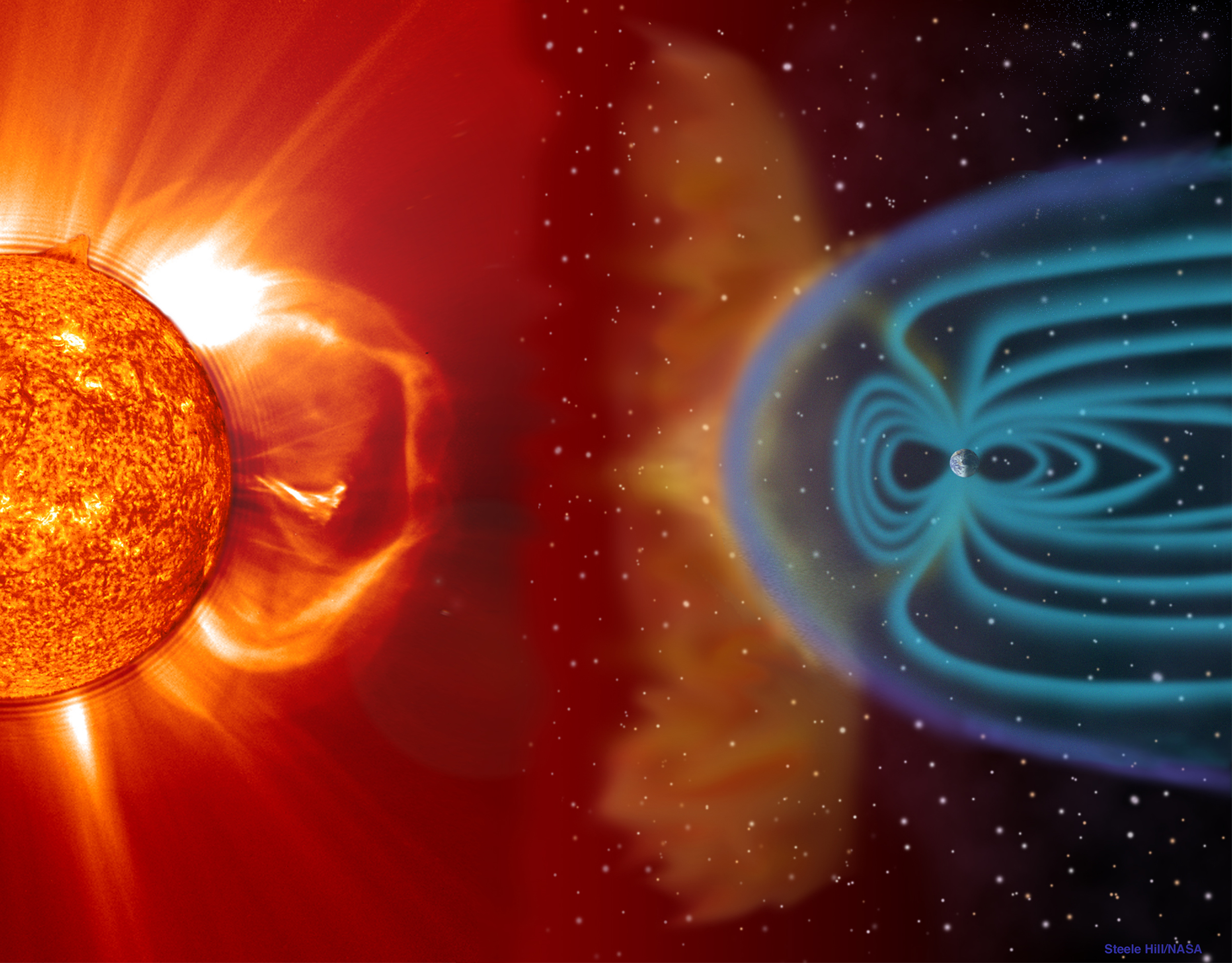 When Earth's sun grows into a red giant 5 billion years from now, solar wind will shred our planet's magnetic field to bits.
What would become of dogs without humans? Here's how they'd evolve
New Scientist - 21 Jul 2021 20:00
Dogs have lived with humans for tens of thousands of years. Imagining what would happen to them in a post-human world offers insights into how we can improve dogs' lives right now
We have just two years to stop deep-sea mining from going ahead
New Scientist - 21 Jul 2021 20:00
Deep-sea mining would be an environmental disaster, so we need a global moratorium to halt it in its tracks. Here's how we go about getting one, says Helen Scales
 Global
 Great Britain
 Indian
 South Africa