Science News
 American
Science News for 29 November 2021
American
Science News for 29 November 2021
Morning Exposure to Deep Red Light Improves Declining Eyesight
Neuroscience News - 29 Nov 2021 01:44 A once-weekly three-minute exposure to long-wave deep red light activates mitochondria in the retina, helping to naturally boost declining vision.
Researchers shrink camera to the size of a salt grain
Science Daily - 29 Nov 2021 19:27
Researchers have developed an ultracompact camera the size of a coarse grain of salt. The new system can produce crisp, full-color images on par with a conventional compound camera lens 500,000 times larger in volume.
Exercise May Reduce Brain Inflammation, Reducing the Risk of Alzheimer's
Neuroscience News - 29 Nov 2021 00:38 Physical activity appears to reduce microglial activation and improve cognition in the aging human brain, researchers report.
Researchers Develop Wireless Networks That Allow Brain Circuits to Be Controlled Remotely Through the Internet
Neuroscience News - 29 Nov 2021 23:27 A new system that combines neural implants with the internet of things can remotely control the brain circuits of numerous animals across the globe simultaneously and independently via the web.
Which Side Is Which? How the Brain Perceives Borders
Neuroscience News - 29 Nov 2021 23:09 Neurons in deep layers of the brain's cortex are the first to decipher which side of a visual border is an object and which side is the background.
26% off Dino-Egg Dig kit for limited Cyber Monday deal
Live Science - 29 Nov 2021 23:03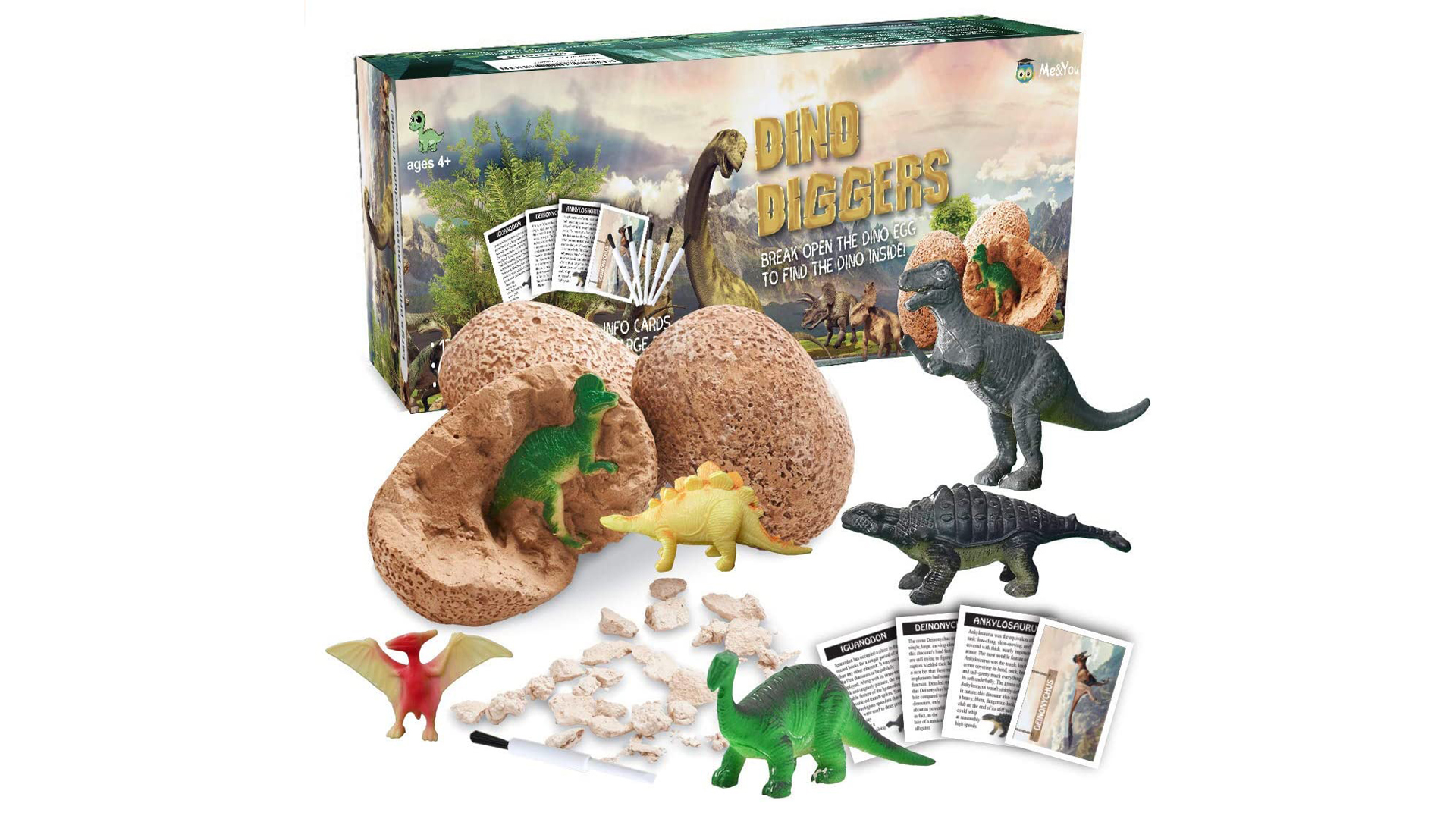 This Cyber Monday dino egg dig kit deal from Amazon is perfect for a young paleontologist.
Heart repair and regeneration after a heart attack
Science Daily - 29 Nov 2021 22:51
Twenty years ago, clinicians first attempted to regenerate a failing human heart by injecting muscle myoblasts into the heart during a bypass operation. Despite high initial hopes and multiple experimental and clinical s...
De-cluttering may not help people with dementia
Science Daily - 29 Nov 2021 22:50
A clutter-free environment may not help people with dementia carry out daily tasks -- according to a new study. Researchers studied whether people with dementia were better able to carry out tasks, such as making a cup o...
Which glioblastoma patients will respond to immunotherapy?
Science Daily - 29 Nov 2021 22:50
Scientists have discovered a new biomarker to identify which patients with brain tumors called glioblastomas -- the most common and malignant of primary brain tumors -- might benefit from immunotherapy. The treatment cou...
'Transformational' approach to machine learning could accelerate search for new disease treatments
Science Daily - 29 Nov 2021 22:50
Researchers have developed a new approach to machine learning that 'learns how to learn' and out-performs current machine learning methods for drug design, which in turn could accelerate the search for new disease treatm...
AI Studies the Emotions Aroused by Music, and Our Way of Perceiving Them
Neuroscience News - 29 Nov 2021 22:48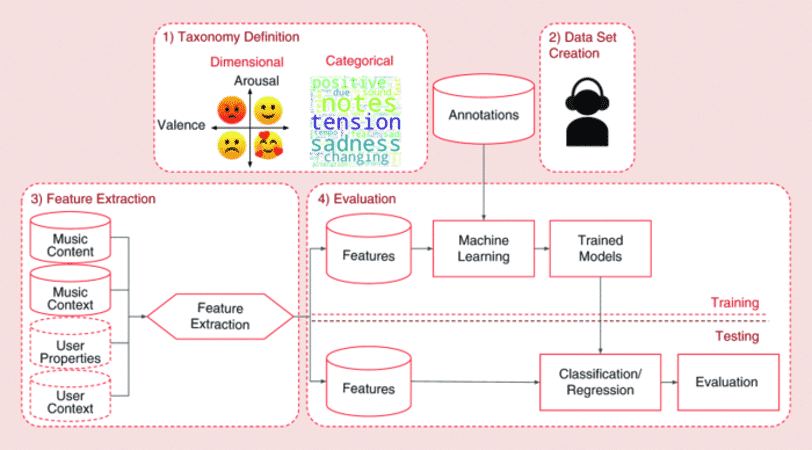 A new AI algorithm recognizes the complex range of emotions invoked when people listen to pieces of music.
Researchers propose a simpler design for quantum computers
Phys.org - 29 Nov 2021 22:43 Today's quantum computers are complicated to build, difficult to scale up, and require temperatures colder than interstellar space to operate. These challenges have led researchers to explore the possibility of building ...
A catalytic recipe for transforming quantum states
Phys.org - 29 Nov 2021 22:41 Quantum physicists at the University of Warsaw have discovered new applications for quantum catalysis--the quantum equivalent of chemical catalysis used in industry--revealing that quantum catalysts are useful in many mo...
Potential Cause of Alzheimer's Discovered
Neuroscience News - 29 Nov 2021 22:14 The form in which isomers take can increase the risk of developing dementia, researchers report. Drugs in development to improve autophagy may help prevents Alzheimer's from developing.
Learn about your genetics for just $100 with this Cyber Monday 23andMe deal
Live Science - 29 Nov 2021 22:08 This Cyber Monday 23andMe deal indicates both your ancestry and your possible health issues, and is now 50% off at Amazon.
The Omicron variant: What we know so far
Live Science - 29 Nov 2021 22:02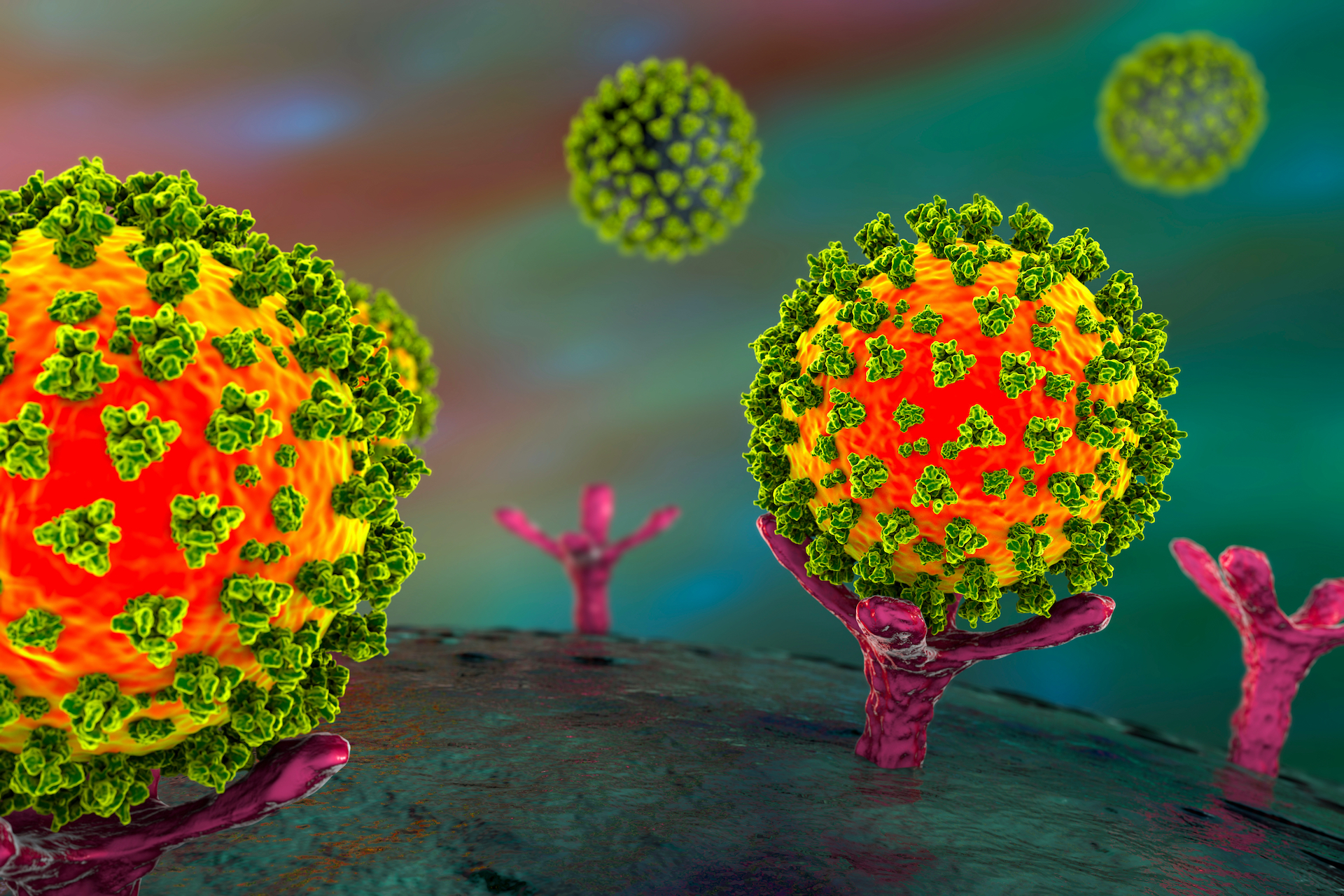 On Nov. 26, the World Health Organization (WHO) named a new coronavirus variant "Omicron" and designated it as a "variant of concern."
Living robots made from frog cells can replicate themselves in a dish
New Scientist - 29 Nov 2021 22:00 Swarms of tiny "xenobots" can self-replicate in the lab by pushing loose cells together - the first time this form of reproduction has been seen in multicellular organisms
Canine teeth shrank in human ancestors at least 4.5 million years ago
New Scientist - 29 Nov 2021 22:00 The extra-large, dagger-like canine teeth seen in male great apes have been missing from human ancestors for at least 4.5 million years - possibly because females opted for less aggressive partners
New video reveals how 'caterpillar soup' transforms into shimmering butterfly wings
Live Science - 29 Nov 2021 21:04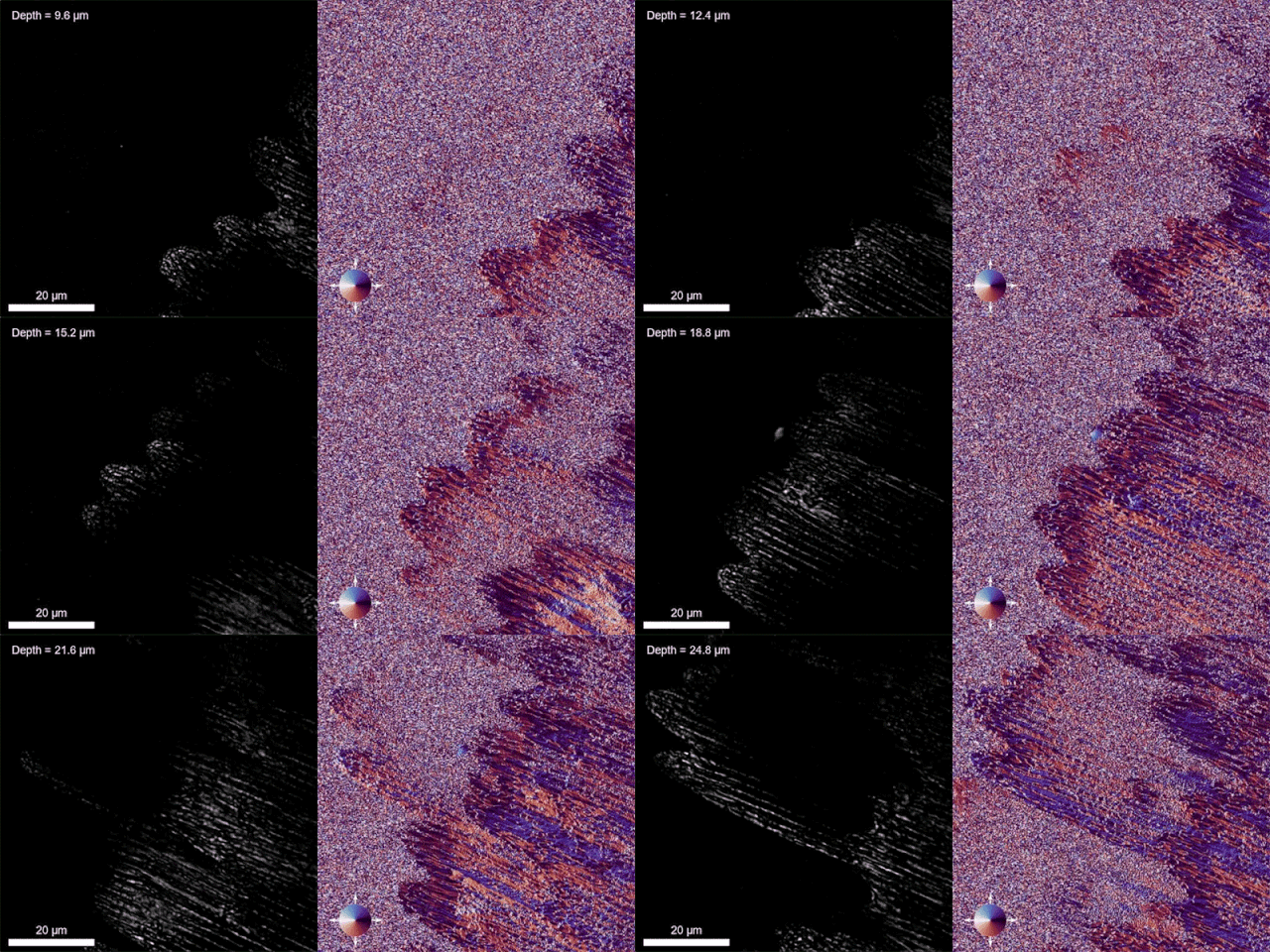 Scientists watched butterfly wing scales form within the chrysalis.
Exquisitely-preserved mammoth tusk found 10,000 feet underwater
Live Science - 29 Nov 2021 21:00 Researchers discovered the 100,000 year old tusk of a mammoth off the coast of California
Save $80 on this Kesnos dehumidifier for Cyber Monday
Live Science - 29 Nov 2021 20:21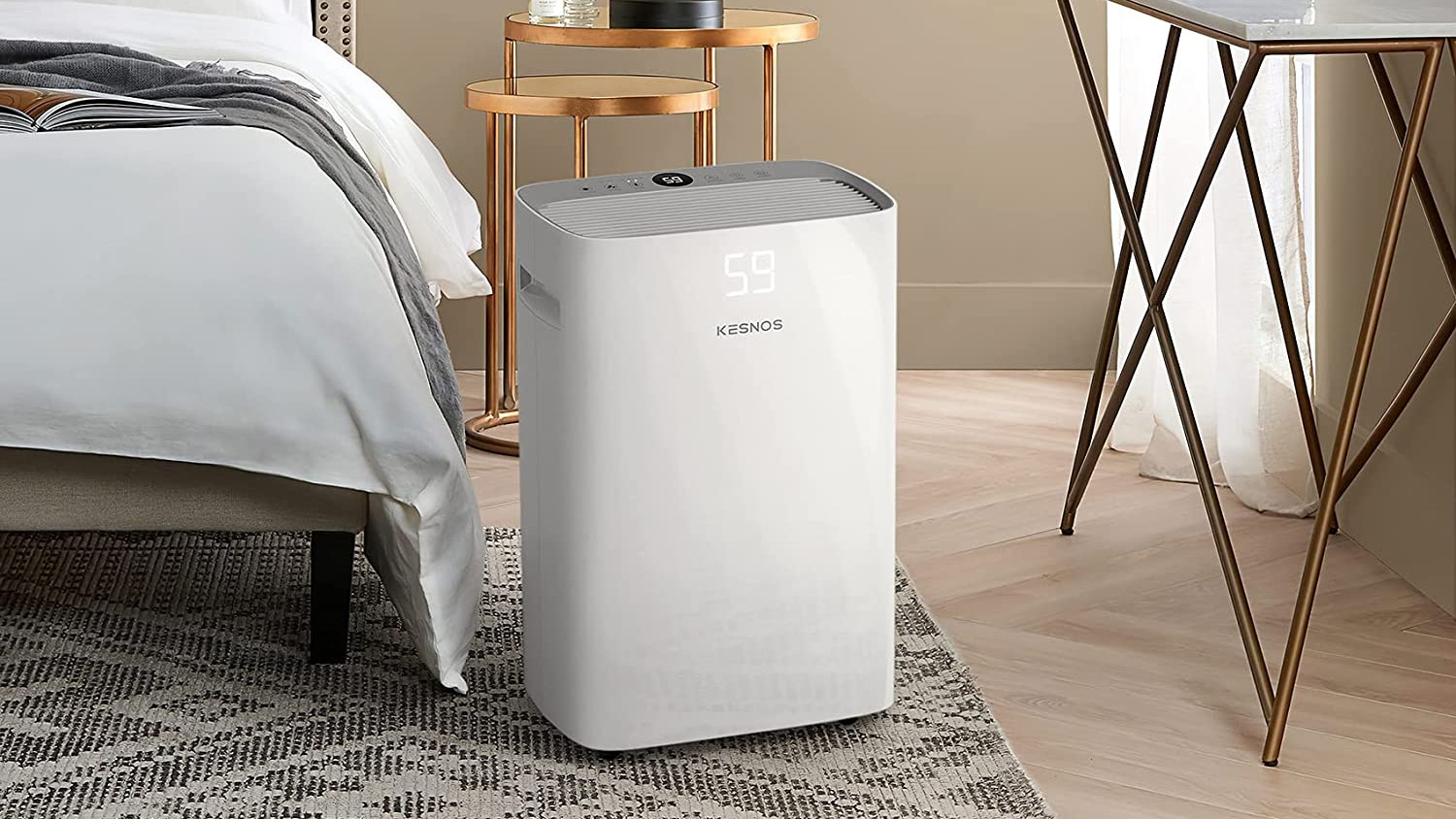 Grab this state of the art Kesnos dehumidifier in this amazing Cyber Monday dehumidifier deal.
Cyber Monday deal: save $295 on the Marcy Foldable Rower
Live Science - 29 Nov 2021 20:20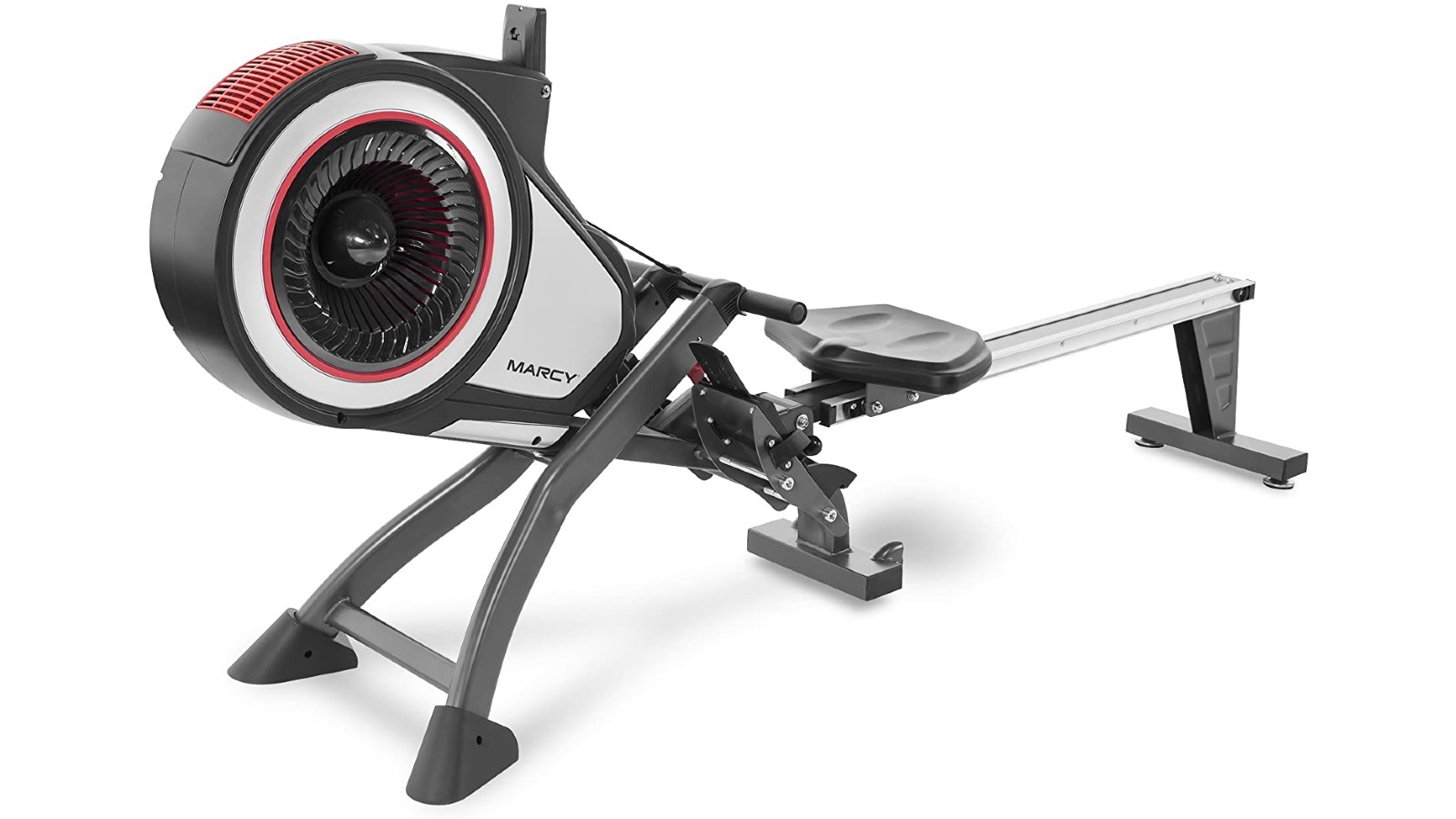 Get a 49% discount with this Cyber Monday Marcy Foldable Rower deal on Amazon.
 Global
 Great Britain
 Indian
 South Africa