Science News
 American
Science News for 30 March 2022
American
Science News for 30 March 2022
Garmin Epix 2 review
Live Science - 30 Mar 2022 23:17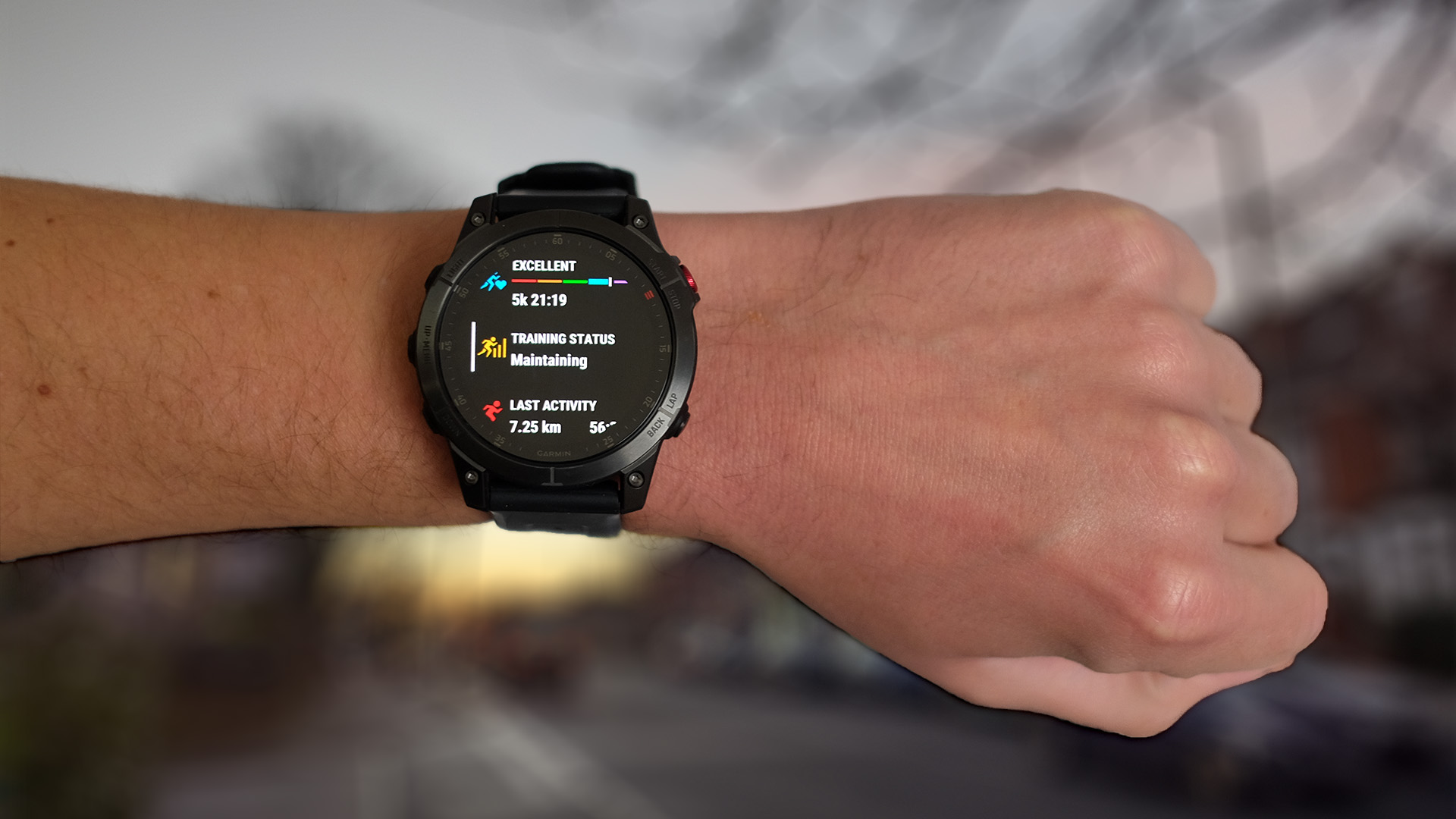 The Garmin Epix 2 is a top-end runner's watch, with a brilliant array of in-depth tracking features - and an eye watering price to match.
Fate of buried Java Man revealed in unseen notes from Homo erectus dig
New Scientist - 30 Mar 2022 21:03 One of the first excavations to find extinct human remains took place on Java in the 1890s, and the original documentation reveals details about the mudflow that encased the fossils there
Michael Owen eyes up a new career in cryptocurrency
New Scientist - 30 Mar 2022 20:00 As the footballer tells us blockchain is here to stay, Feedback also looks into the shifting position of a UK Overseas Territory, and the volcanic eruption that shook Essex
Alzheimer's Leads to Changes in the Small Blood Vessels in the Brain
Neuroscience News - 30 Mar 2022 00:29 Protein deposits from senile plaques affect the walls of blood vessels and alter their growth factor, causing dysfunction in the brain's small blood vessels.
Promising Alzheimer's Drug May Also Improve Memory in Down Syndrome and Normal Aging
Neuroscience News - 30 Mar 2022 00:06 GM-CSF/sargramostim, a drug that improved memory in Alzheimer's patients during a phase II clinical trial, also appears to improve cognitive function in older adults and those with Down syndrome.
Best fitness tracker
Live Science - 30 Mar 2022 23:50 A roll-call of the 10 best fitness trackers including budget buys, high-end smartwatches and even a smart ring
Why are people with allergic asthma less susceptible to severe COVID?
Science Daily - 30 Mar 2022 22:45
Scientists show how cells packed with SARS-CoV-2 detach from the upper airway and spread deep into lungs where severe COVID can take root. They also discovered how an asthmatic reaction to allergens battles the virus to ...
Experimental drug linked to reduced tics in children, teens with Tourette Syndrome
Science Daily - 30 Mar 2022 22:45
According to a new preliminary study, children and teens with Tourette syndrome who are treated with an experimental drug called ecopipam may have improved scores on tests of tic severity three months later.
High rate of diabetes, high blood pressure in Puerto Ricans linked to brain changes
Science Daily - 30 Mar 2022 22:45
The high rate of diabetes and high blood pressure combined in Puerto Rican people may be linked to structural changes in the brain, according to a new study.
Printing optical chips as a layer cake
Phys.org - 30 Mar 2022 21:14 Faster, more energy-efficient ICT, or sensors to detect anything between beginning fruit rot and microscopic cracks in glass fibers: photonic technology holds great promises for the future. To deliver on those promises, ...
When a band falls flat: Searching for flatness in materials
Phys.org - 30 Mar 2022 21:11 Finding the right ingredients to create materials with exotic quantum properties has been a chimera for experimental scientists, due to the endless possible combinations of different elements to be synthesized.
Predicting sudden cardiac arrest
Science Daily - 30 Mar 2022 20:14
Clinician-scientists have developed a clinical algorithm that, for the first time, distinguishes between treatable sudden cardiac arrest and untreatable forms of the condition.
Subsidy would improve fruit and veggie intake by as much as 15%, say economists
Science Daily - 30 Mar 2022 20:14
High fixed costs for retailing fresh fruit and vegetables means that they cost 40% more than would be efficient, unlike unhealthy alternatives, which trade close to marginal cost, a new study demonstrates.
Cancer repair mechanism could be potential drug target
Science Daily - 30 Mar 2022 20:14
Searching for ways to extend the survival benefit of targeted therapies, a team led by researchers has identified a potential new tactic to disrupt the repair mechanism that cancer cells use after treatment, blunting the...
SARS-CoV-2 spike protein more stable, slower changing than earlier version
Science Daily - 30 Mar 2022 20:13
New computational simulations of the behavior of SARS-CoV-1 and SARS-CoV-2 spike proteins prior to fusion with human cell receptors show that SARS-CoV-2, the virus that causes COVID-19, is more stable and slower changing...
What is Regeneration? review: A dive into the science of regrowth
New Scientist - 30 Mar 2022 20:00 From hydras to humans, this short book by two marine biologists explores the peculiar process of regeneration, showing that it is a far bigger subject than it might at first seem
See the murky world of vampire appliances captured on camera
New Scientist - 30 Mar 2022 20:00 At night a subtle force drains power in most of our homes. We're talking devices on standby, and photographer Alessio Perboni has tapped the dim but constant illumination of these to cast interiors in a new light
Reality TV for birds shows that conservation research can pay off
New Scientist - 30 Mar 2022 20:00 Thousands of us are glued to the online dramas of two peregrines on the Cal Falcons webcam, but it is just the start of what tech can do for bird studies, writes Annalee Newitz
Martin Wikelski interview: Tracking animals reveals their sixth sense
New Scientist - 30 Mar 2022 20:00 A network of 100,000 animals connected by trackers and watched from space could explain extraordinary animal behaviour and help forecast volcanic eruptions, extreme weather and emerging diseases
How to make the perfect bee hotel for your garden
New Scientist - 30 Mar 2022 20:00 With spring arriving in the UK, it's the perfect time to create bee hotels, designed to be snug and safe for these important pollinating insects, says Clare Wilson
How do we decide what counts as trauma - and have we got it all wrong?
New Scientist - 30 Mar 2022 20:00 What qualifies as trauma has become a hotly debated issue, with implications for treating people who experience PTSD - and the way we respond to things like the pandemic and police killings
Zero-covid strategies are being ditched, but they were the best option
New Scientist - 30 Mar 2022 20:00 Several countries are now abandoning their goal of reducing the coronavirus's spread as much as possible, but the evidence shows this was the best route to have taken, says Michael Marshall
 Global
 Great Britain
 Indian
 South Africa