Science News
 American
Science News for 29 June 2022
American
Science News for 29 June 2022
Mystery rocket that smashed into the moon left 2 craters, NASA says
Live Science - 29 Jun 2022 20:00 It took NASA two months to find the object after the impact.
What is leaky gut?
Live Science - 29 Jun 2022 20:00 Feel like your digestion is a little -- off? We answer all of your questions about leaky gut syndrome
We may have misunderstood how norovirus and other gut viruses spread
New Scientist - 29 Jun 2022 18:00 Norovirus lives in the gut - but mouse studies suggest it may also survive in salivary glands, and the discovery implies there are additional measures we could take to limit infections
Research Sheds Light on Mechanism by Which Long-Term Anti-Anxiety Drug Use Affects the Brain
Neuroscience News - 29 Jun 2022 23:50 Study reveals a possible mechanism by which anxiolytic medications act on the brain, leading to cognitive impairment.
What are solar flares?
Live Science - 29 Jun 2022 16:41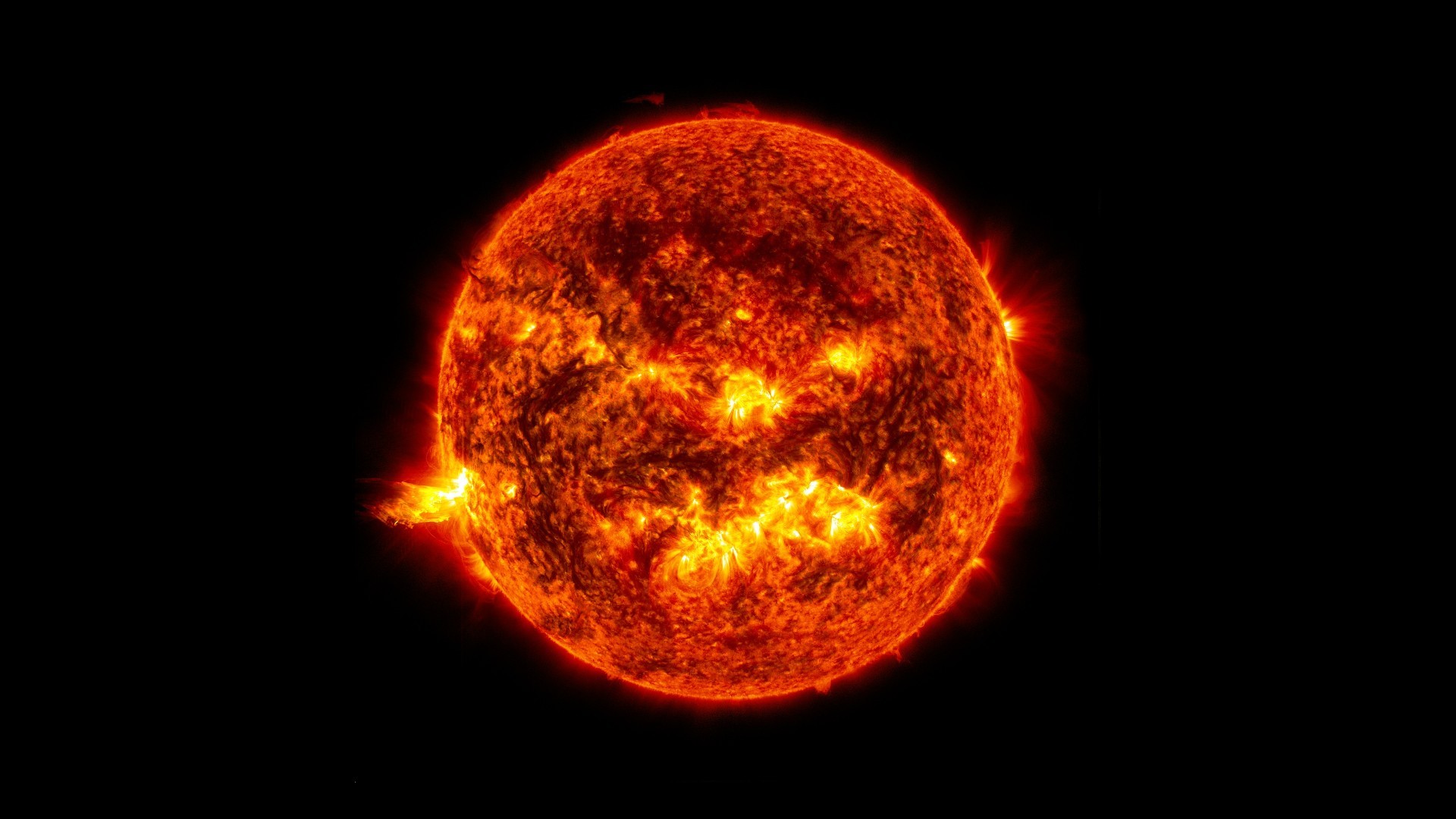 High-energy eruptions of radiation from the sun's atmosphere can sometimes launch blobs of plasma toward Earth.
Gender Differences in Behaviors Linked to Faster Cognitive Decline
Neuroscience News - 29 Jun 2022 01:52 Behavioral changes in men later in life including apathy and having false beliefs was associated with a risk of faster cognitive decline.
Put down the coffee: Study finds caffeine drives impulse purchases
New Scientist - 29 Jun 2022 20:00 Feedback learns to avoid drinking a cup of coffee before hitting the shops, while also pondering the benefits of a remote-control hot tub, and continuing the hunt for a new word for anti-expert
People bank blood. Why not faeces?
The Economist - 29 Jun 2022 22:26
Storing your stools when you are young may help you later in life
The headline tricks that make people share news stories on Facebook!?!
New Scientist - 29 Jun 2022 21:00 Unusual punctuation in headlines makes people more likely to share news stories on Facebook, but phrases like "this will blow your mind" are a turn-off, finds a study
Ghost DNA from hybrid coyotes could save endangered red wolves
New Scientist - 29 Jun 2022 21:00 A hidden reservoir of red wolf DNA has been found in coyotes in southwestern Louisiana - and it could be used to help the endangered wolves grow their wild population
Position measurement of a levitated nanoparticle via interference with its mirror image
Phys.org - 29 Jun 2022 18:52 Levitated nanoparticles are promising tools for sensing ultra-weak forces of biological, chemical or mechanical origin and even for testing the foundations of quantum physics. However, such applications require precise p...
Dogs are descended from two populations of ancient wolves
New Scientist - 29 Jun 2022 19:31 Modern dogs have ancestry from wolves in Asia and Europe, according to a study analysing DNA from 72 ancient wolves going back 100,000 years
Norovirus and other 'stomach viruses' can spread through saliva
Science Daily - 29 Jun 2022 21:03
A class of viruses known to cause severe diarrheal diseases -- including the one famous for widespread outbreaks on cruise ships -- can grow in the salivary glands of mice and spread through their saliva, scientists have...
Researchers measure atmospheric water vapor using open-air spectroscopy
Phys.org - 29 Jun 2022 19:19 Researchers have shown that a new mid-infrared spectrometer can precisely measure the ratios of different forms of water--known as isotopologues--in atmospheric water vapor through open air in a little over 15 minutes. I...
A new personalized treatment concept to prevent colitis in a mouse model
Science Daily - 29 Jun 2022 18:11
A new oral treatment for ulcerative colitis that focuses on reducing inflammation in gut microbiota has been developed by researchers.
Human Urine-Derived Stem Cells Have Robust Regenerative Potential
Neuroscience News - 29 Jun 2022 00:32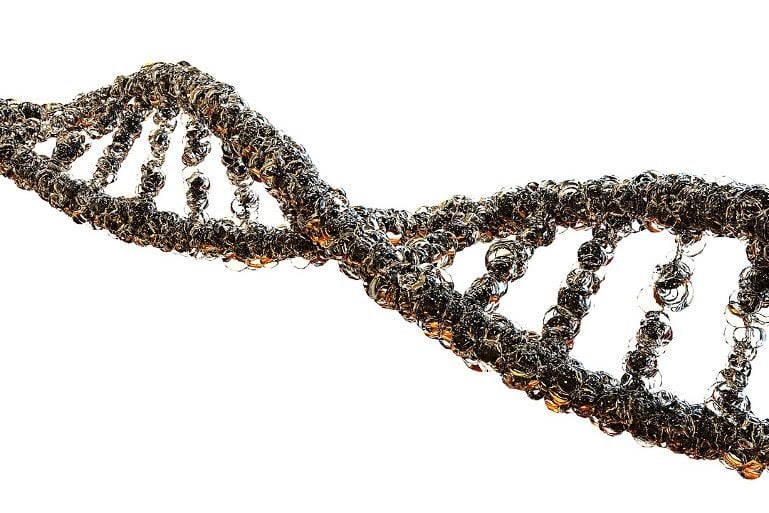 Stem cells in human urine have the potential to regenerate tissue.
Awake prone positioning does not offer benefit in reducing intubation for COVID-19 induced acute respiratory failure
Science Daily - 29 Jun 2022 21:03
A large multicenter, randomized clinical trial revealed no difference in the risk of endotracheal intubation requirement at 30 days between awake prone positioning and standard positioning for patients with COVID-19 who ...
Can we beat climate change by geoengineering the oceans?
New Scientist - 29 Jun 2022 17:00 Chemically altering the seas through iron fertilisation or alkalinity enhancement could be our best hope to suck vast amounts of carbon out of the atmosphere - but questions remain on whether it is worth the risk
Hawks forward dive and then swoop up to hit the brakes before landing
New Scientist - 29 Jun 2022 18:00 A diving manoeuvre used by raptors to slow down before landing on a branch could improve technology for flying and perching drones
Acoustic levitation used to build complex structures in mid-air
New Scientist - 29 Jun 2022 11:00 Sound waves have been used to build complex structures in mid-air out of floating components and droplets of glue, showing the approach may have engineering and medical applications
Carbon monoxide foam in the rectum eases bowel disease in mice
New Scientist - 29 Jun 2022 23:02 It's best known as a deadly poison, but in low doses, carbon monoxide can have therapeutic benefits for conditions like inflammatory bowel disease and cancer. Now, researchers may have found a way to deliver the treatmen...
Women Have More Brain Changes After Menopause
Neuroscience News - 29 Jun 2022 22:49 Women who have undergone menopause have more white matter intensities in the brain than pre-menopausal women and men of the same age.
 Global
 Great Britain
 Indian
 South Africa