New Scientist - 22 Mar 2023 20:00

A superconducting ink made through a simple process called chemical exfoliation could be used to print the cold circuits inside quantum computers and MRI machines
Live Science - 22 Mar 2023 13:00

Within a month of the Big Bang, a second cosmic explosion may have given the universe its dark matter, new research suggests.
Live Science - 22 Mar 2023 20:24

A draft paper by a Harvard scientist and the head of the Pentagon's UFO office has raised the idea an alien mothership could be in the solar system, sending out tiny probes dubbed "dandelion seeds" to explore the planets...
Live Science - 22 Mar 2023 23:38

Five locks taken from Ludwig van Beethoven's head have revealed that he may likely have died from liver disease, not lead poisoning as was previously thought.
New Scientist - 22 Mar 2023 23:09

Fractures on the seafloors of Europa and Enceladus are thought to provide energy and nutrients crucial for any life that might exist there, but they may not experience enough stress to crack
Phys.org - 22 Mar 2023 22:52

Seeking to expand the possibilities offered by programmable illumination, a group of researchers at the University of Connecticut developed a strategy for constructing and calibrating freeform illuminators offering great...
Live Science - 22 Mar 2023 22:35

Hormonal contraceptives slightly raise users' risk of breast cancer, regardless of whether they're combination or progestogen-only.
Live Science - 22 Mar 2023 22:30

New research claims that giant space rocks hit Earth far more often than has been estimated. But some scientists are skeptical.
Live Science - 22 Mar 2023 22:19
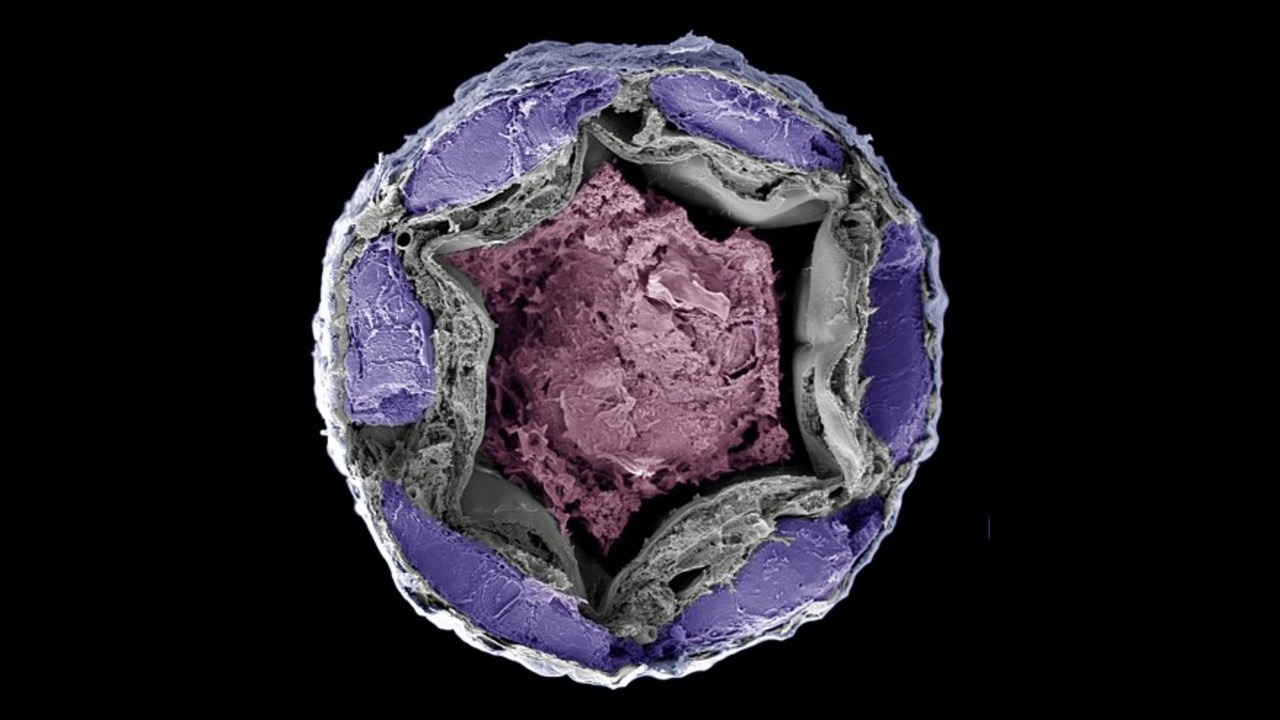
Instead of drinking water through their mouths, beetles opt for a different approach by using their butts.
Live Science - 22 Mar 2023 21:45

China is deploying thousands of sensors nearly a mile under the ocean's surface, to monitor the darkness for flashes of light that reveal the presence of a neutrino.
New Scientist - 22 Mar 2023 21:00
Variations driven by pairs of particles and antiparticles that form and then annihilate can be used to generate random numbers up to 200 times faster than available commercial devices can
Neuroscience News - 22 Mar 2023 20:03
A common genetic signature has been linked to an increased risk of substance use disorders from smoking addiction to addiction to narcotics. The findings could pave the way to the development of new therapies for substan...
New Scientist - 22 Mar 2023 20:00

Long-lasting plastics made from fossil fuels could be replaced by a material derived from super glue that can be easily recycled time and time again
New Scientist - 22 Mar 2023 20:00

To address our overconsumption of resources, we must work to achieve a sustainable population by addressing gender inequality, improving education and tackling poverty, says Chris Packham
New Scientist - 22 Mar 2023 20:00

From a virtual-reality snowscape used for pain relief for burns to immersive art to boost your mood, we all gain from aesthetic engagement, argues a book from Susan Magsamen and Ivy Ross that needed a little more science...
New Scientist - 22 Mar 2023 20:00

Earth's climate is reeling out of control in this eight-part sci-fi series stuffed with A-listers. From one of the minds behind An Inconvenient Truth, it is heavy on messaging, but lacks some focus
New Scientist - 22 Mar 2023 20:00

For all their unsettling emergent abilities, chatbots are still just next-word predictors. We need to remember this and avoid seeing human attributes where they don't exist, warns Alex Wilkins
New Scientist - 22 Mar 2023 20:00

The majority of the UK's waterways are suffering, even those that look like they are in good health, but some restoration projects have started to tackle the issues, and much more can be done
Phys.org - 22 Mar 2023 19:42

Researchers have developed a process to turn crab shells into a bioplastic that can be used to make optical components known as diffraction gratings. The resulting lightweight, inexpensive gratings are biodegradable and ...
Neuroscience News - 22 Mar 2023 19:28

Consuming high-fat and high-sugar foods causes changes in activity and connectivity in the brain's dopaminergic system, resulting in a stronger preference for these foods.
Neuroscience News - 22 Mar 2023 19:04

Researchers found sex differences and developmental changes in the brain's white matter in infants and five-year-old children.
New Scientist - 22 Mar 2023 19:00

Gladys Kalema-Zikusoka explains how her unconventional way of combining public health and conservation is helping to bring mountain gorillas back from the brink after years of population decline
 American
Science News for 22 March 2023
American
Science News for 22 March 2023
 Global
 Great Britain
 Indian
 South Africa