Live Science - 3 May 2023 20:00
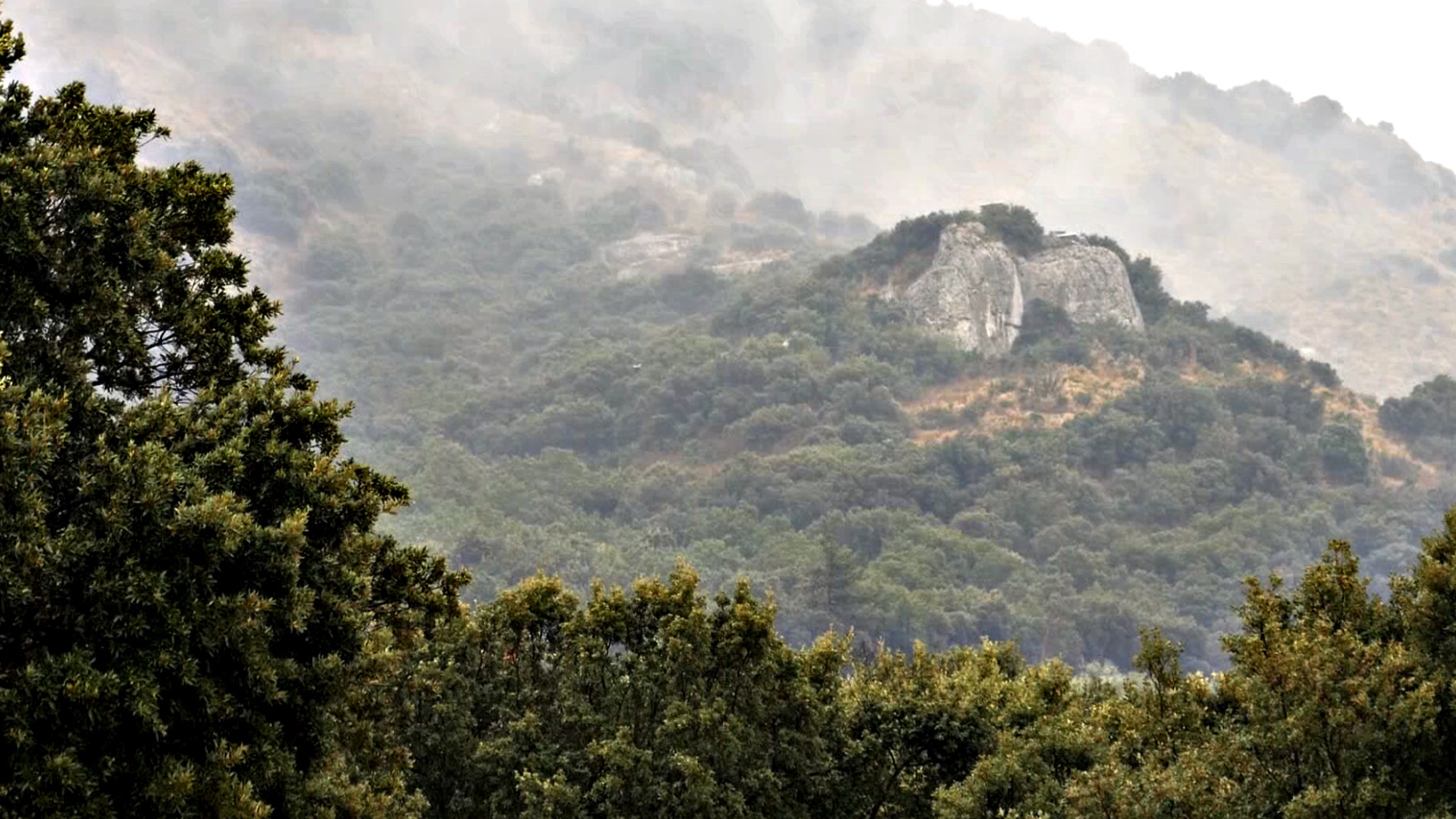
Modern humans migrated into Europe in three waves: 54,000, 45,000 and 42,000 years ago, a new study claims.
New Scientist - 3 May 2023 02:01

In lab experiments, chimpanzees and bonobos share peanuts and grapes with other apes who shared food first, doing so at about the same rate as 4-year-old children
New Scientist - 3 May 2023 15:00

The first stars in our universe may have blown up in relatively weak supernovae, and astronomers believe they have found three clouds of ash remaining from those cosmic explosions
Live Science - 3 May 2023 00:30
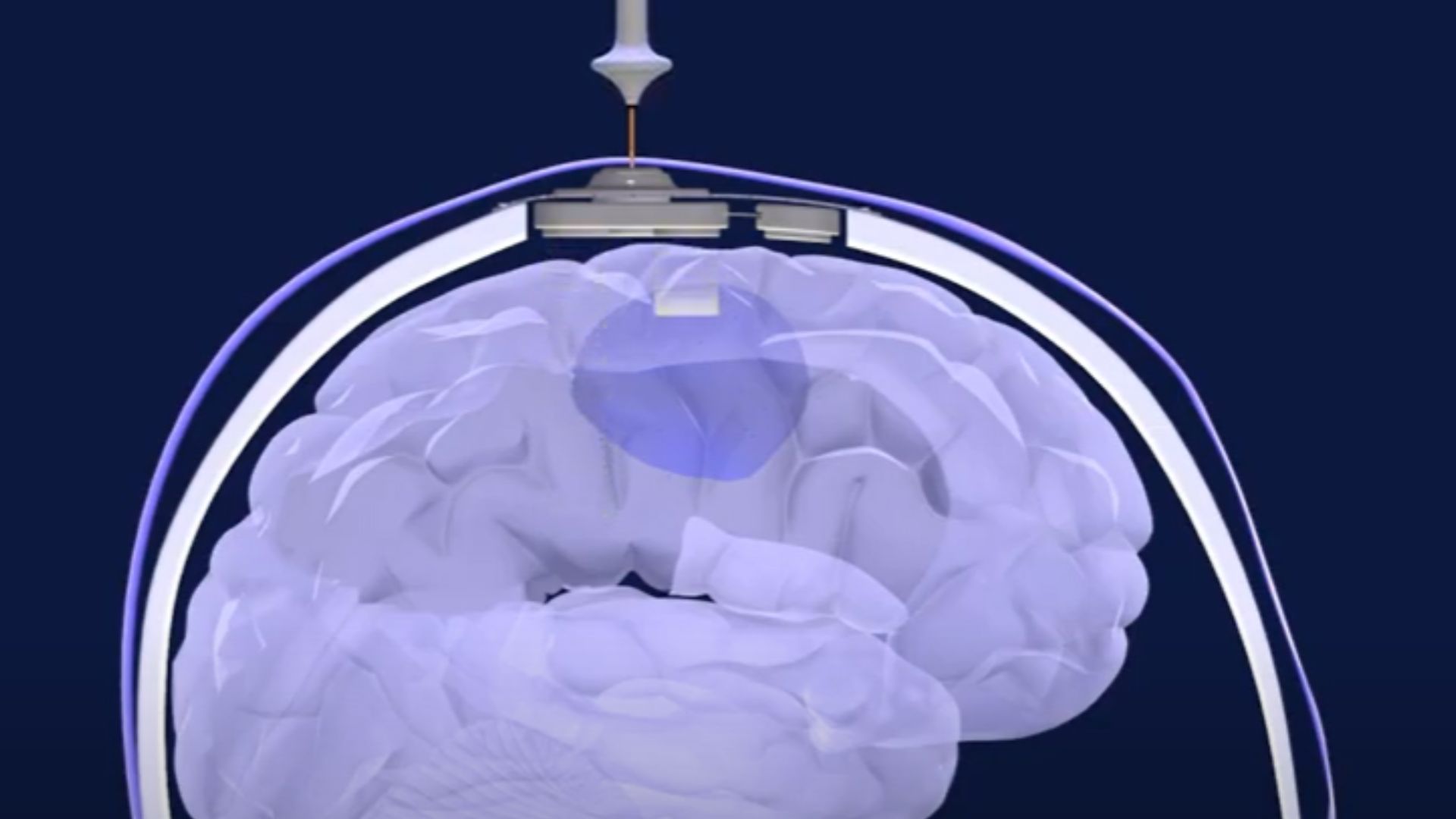
An implanted ultrasound-emitting device helped chemotherapy drugs safely pass into the brains of cancer patients.
Live Science - 3 May 2023 12:00
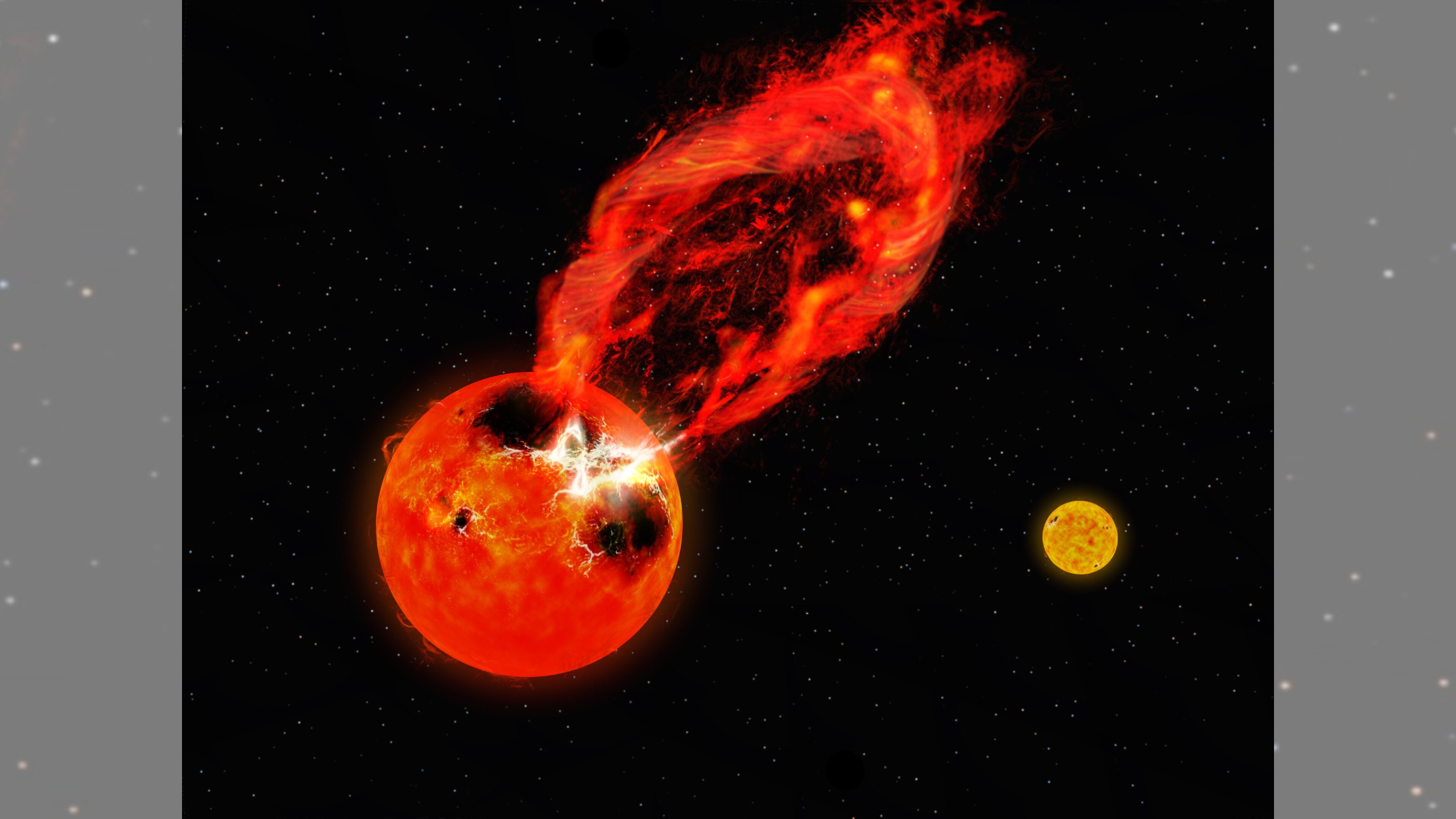
Scientists studying a star system in Orion witnessed one of the most powerful stellar eruptions ever seen -- and it could be devastating to nearby planets.
Neuroscience News - 3 May 2023 00:45

A new study adds to the growing body of evidence suggesting psilocybin, a hallucinogenic compound found in certain mushroom species, could potentially revolutionize the treatment of depression and substance addiction. Re...
Neuroscience News - 3 May 2023 00:18

Three high school students from different countries identified new therapeutic targets for glioblastoma multiforme (GBM) using artificial intelligence. The AI screened datasets from the National Center for Biotechnology ...
Neuroscience News - 3 May 2023 23:59
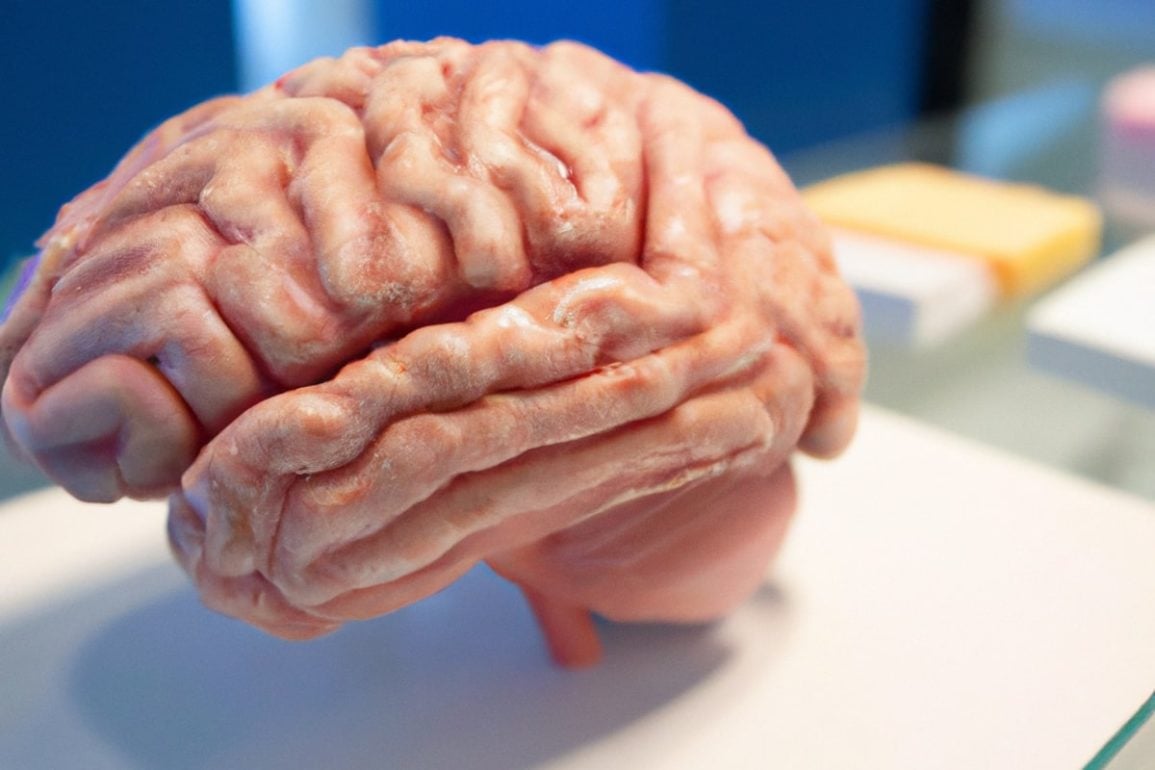
Findings from a Phase 3 study show donanemab significantly slowed cognitive and functional decline in people with early symptomatic Alzheimer's disease. Donanemab met the primary endpoint of change, which measured measur...
Neuroscience News - 3 May 2023 23:34

Brief bursts of brain activity during sleep known as sleep spindles could potentially help regulate anxiety in people with post-traumatic stress disorder (PTSD). Researchers believe that the study's findings may be usefu...
Live Science - 3 May 2023 22:23
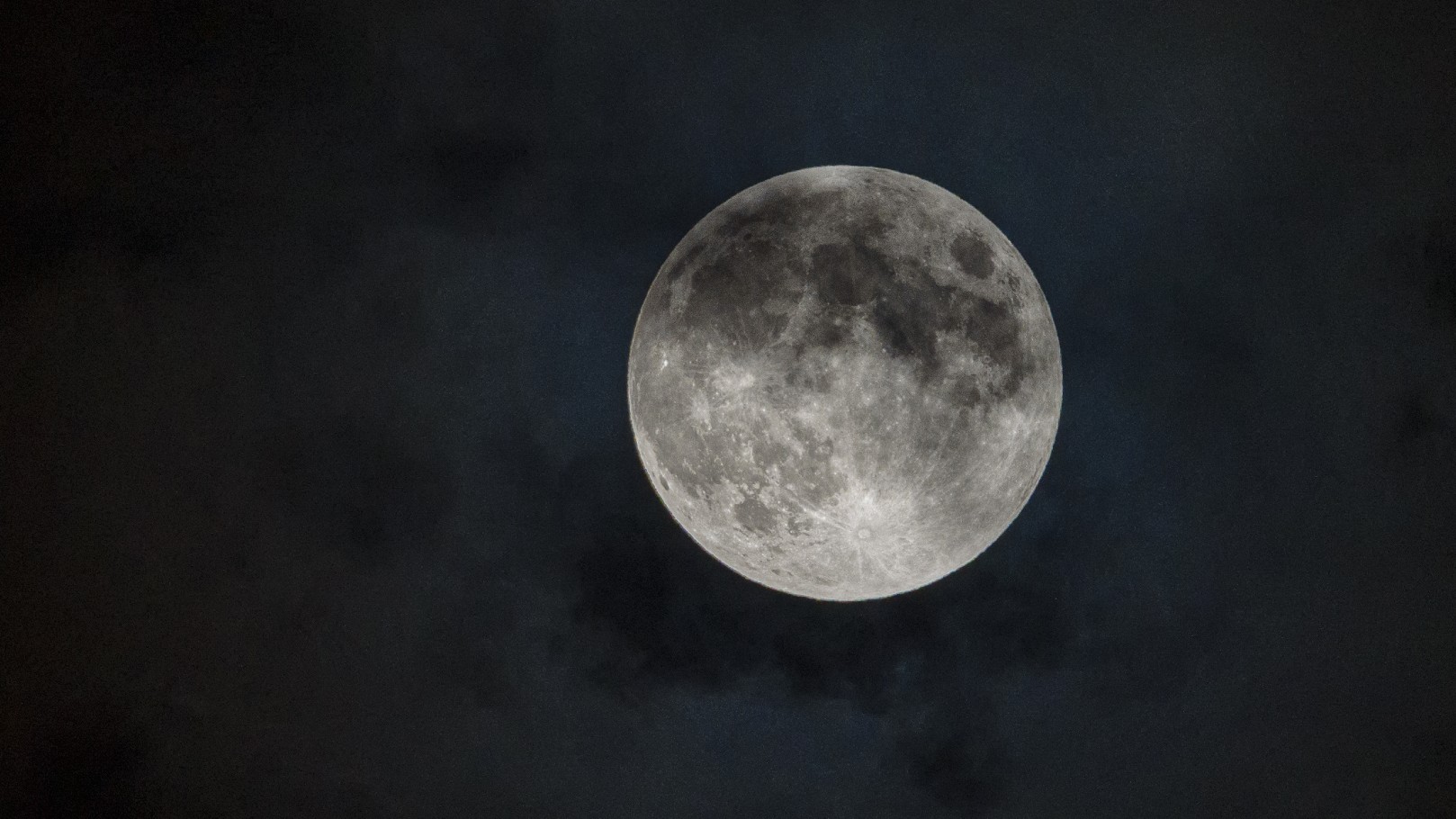
May's full 'Flower Moon' rises on Friday (May 5) during the deepest penumbral eclipse until 2042. Only part of the world will be able to see it.
Live Science - 3 May 2023 22:15
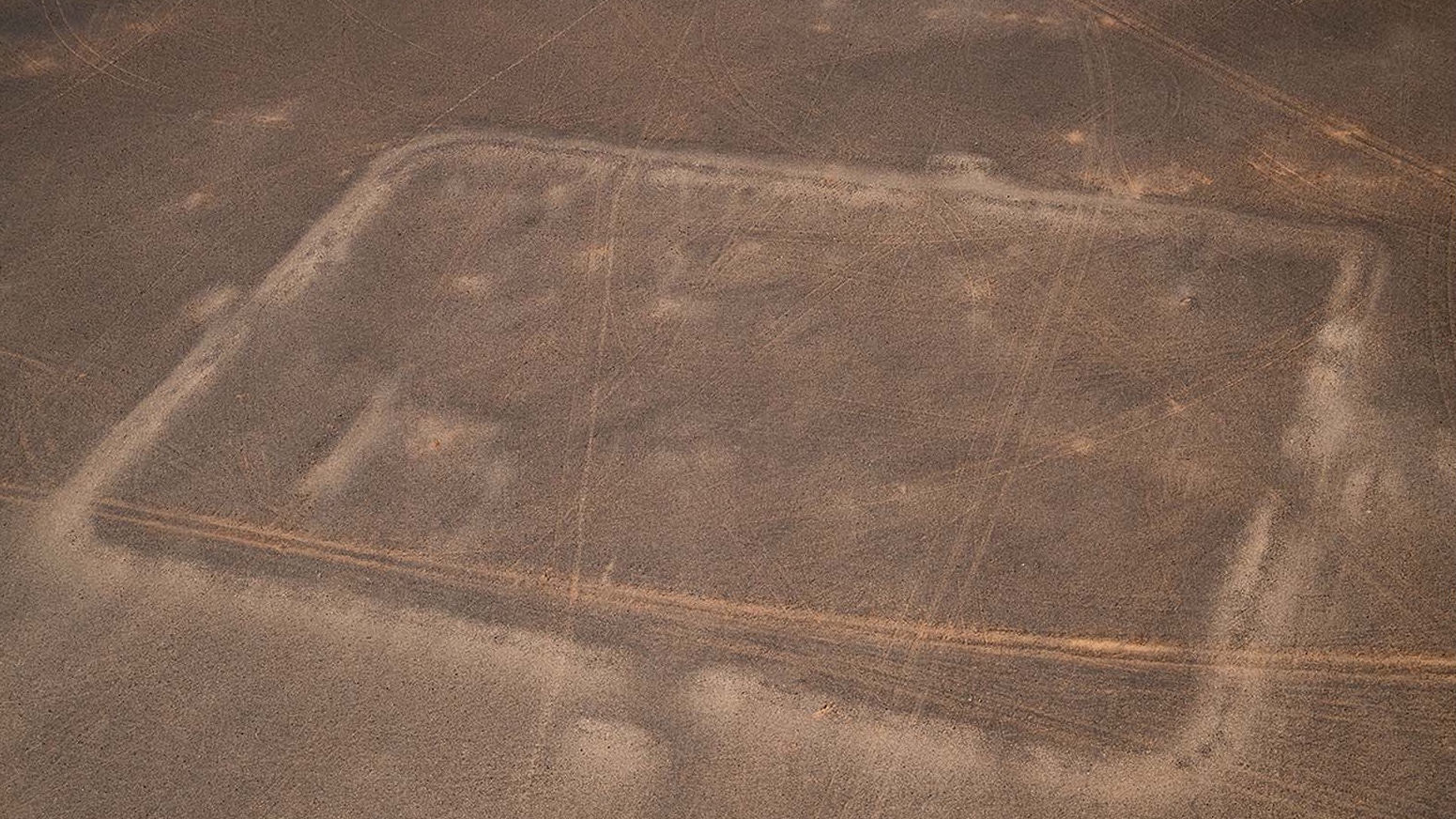
An archaeologist using Google Earth has spotted the traces of three Roman military camps in the southern Jordanian desert, prompting a rethink of the region's history.
Phys.org - 3 May 2023 21:36

Researchers at the University of Maryland (UMD) have demonstrated a continuously operating optical fiber made of thin air.
Phys.org - 3 May 2023 21:29

Two-photon microscopy (TPM) has revolutionized the field of biology by enabling researchers to observe complex biological processes in living tissues at high resolution. In contrast to traditional fluorescence microscopy...
Phys.org - 3 May 2023 21:18

Researchers have developed a new high-speed way to detect the location, size and category of multiple objects without acquiring images or requiring complex scene reconstruction. Because the new approach greatly decreases...
Phys.org - 3 May 2023 21:18

For decades, scientists sought a way to apply the outstanding analytical capabilities of neutrons to materials under pressures approaching those surrounding the Earth's core. These extreme pressures can rearrange a mater...
New Scientist - 3 May 2023 21:00

A programme to increase electric vehicle adoption in California increased air pollution in lower-income communities and communities of colour - groups that are less likely to own electric cars
New Scientist - 3 May 2023 21:00
A programme to increase electric vehicle adoption in California increased air pollution in lower-income communities and communities of colour - groups that are less likely to own electric cars
Live Science - 3 May 2023 20:42

The Food and Drug Administration warned that unapproved inhalant products containing ammonia may pose health risks.
New Scientist - 3 May 2023 20:00

Our Fragile Space, an exhibition from photographer Max Alexander, focuses on the impact of the millions of pieces of cosmic waste circling Earth
New Scientist - 3 May 2023 20:00

A radical new proposal wants the world to sign up to a deal to halt development of new oil, gas and coal fields. It is already backed by thousands of scientists and more than 70 city governments, says Graham Lawton
New Scientist - 3 May 2023 20:00

Domestic cats are a paradox, argues biologist Jonathan B. Losos in a book that delves into their origins and the emerging science of feline behaviour
New Scientist - 3 May 2023 20:00

A rise in antisocial behaviour indicates covid-19 lockdowns disrupted our cultural evolution, says Jonathan R. Goodman
 American
Science News for 3 May 2023
American
Science News for 3 May 2023
 Global
 Great Britain
 Indian
 South Africa