Neuroscience News - 7 Jun 2023 03:35

Researchers unveiled the most comprehensive connectome of the adult fruit fly nerve cord, analogous to the human spinal cord, providing an exceptional resource for the scientific community. The connectome, constructed fr...
Neuroscience News - 7 Jun 2023 01:34

Researchers developed a novel, wireless, skin-interfaced olfactory feedback system capable of releasing various odours. This technology integrates scents into virtual reality (VR) and augmented reality (AR) to provide a ...
Live Science - 7 Jun 2023 01:01
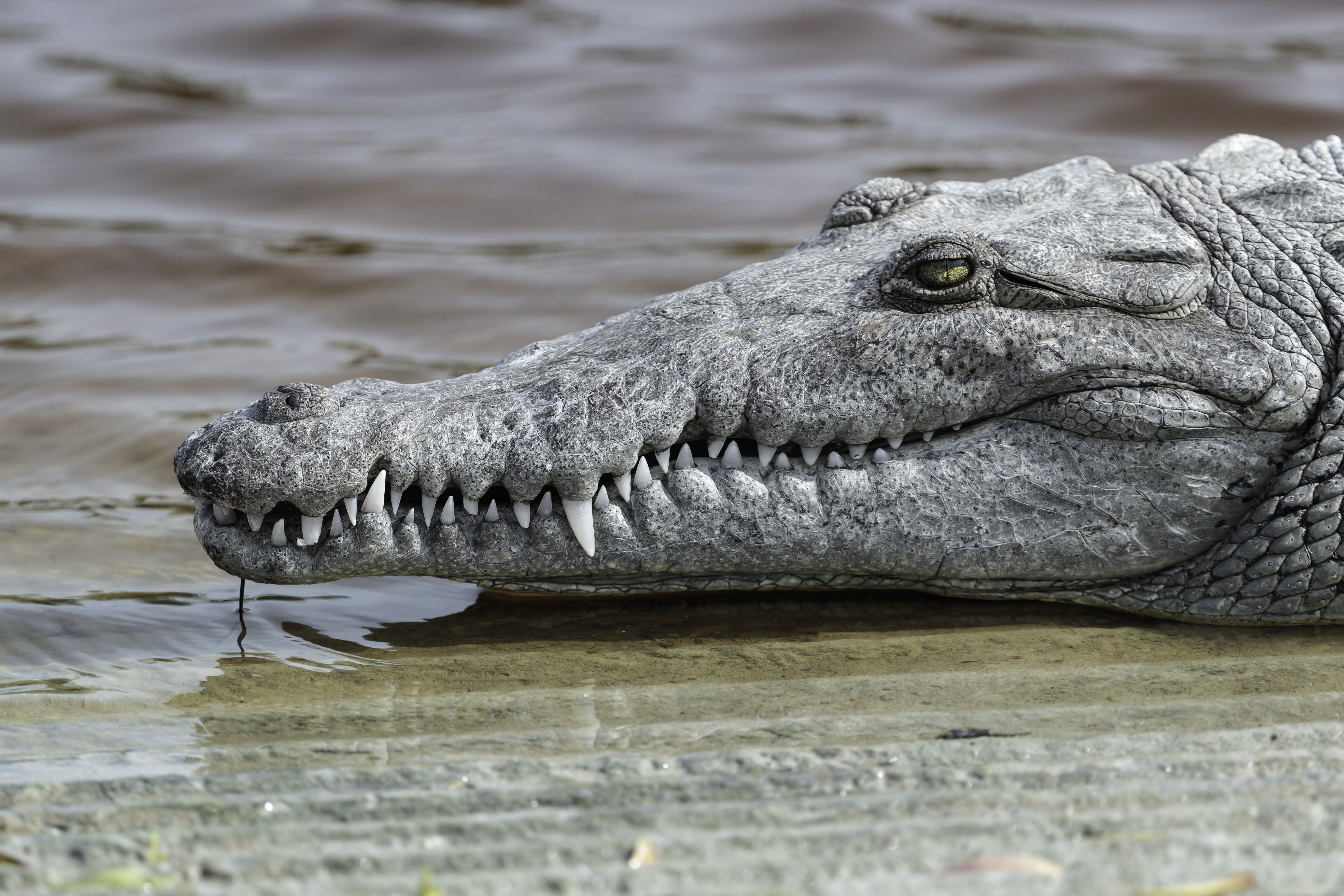
The American crocodile had been isolated in a reptile park enclosure for 16 years when she laid a clutch of eggs.
Neuroscience News - 7 Jun 2023 00:25

Researchers discovered the brain decodes speech differently in noisy environments depending on the speech's volume and our focus on it. Their study, leveraging neural recordings and computer models, demonstrates that whe...
Phys.org - 7 Jun 2023 22:59

New frontiers in the study of the universe--and gravitational waves--have been opened up following a breakthrough by University of the West of Scotland (UWS) researchers.
Phys.org - 7 Jun 2023 22:59

Ultra-compact, agile endoscopes with a large field of view (FoV), long depth of field (DoF), and short rigid tip length are essential for developing minimally invasive operations and new experimental surgeries. As these ...
Live Science - 7 Jun 2023 22:58
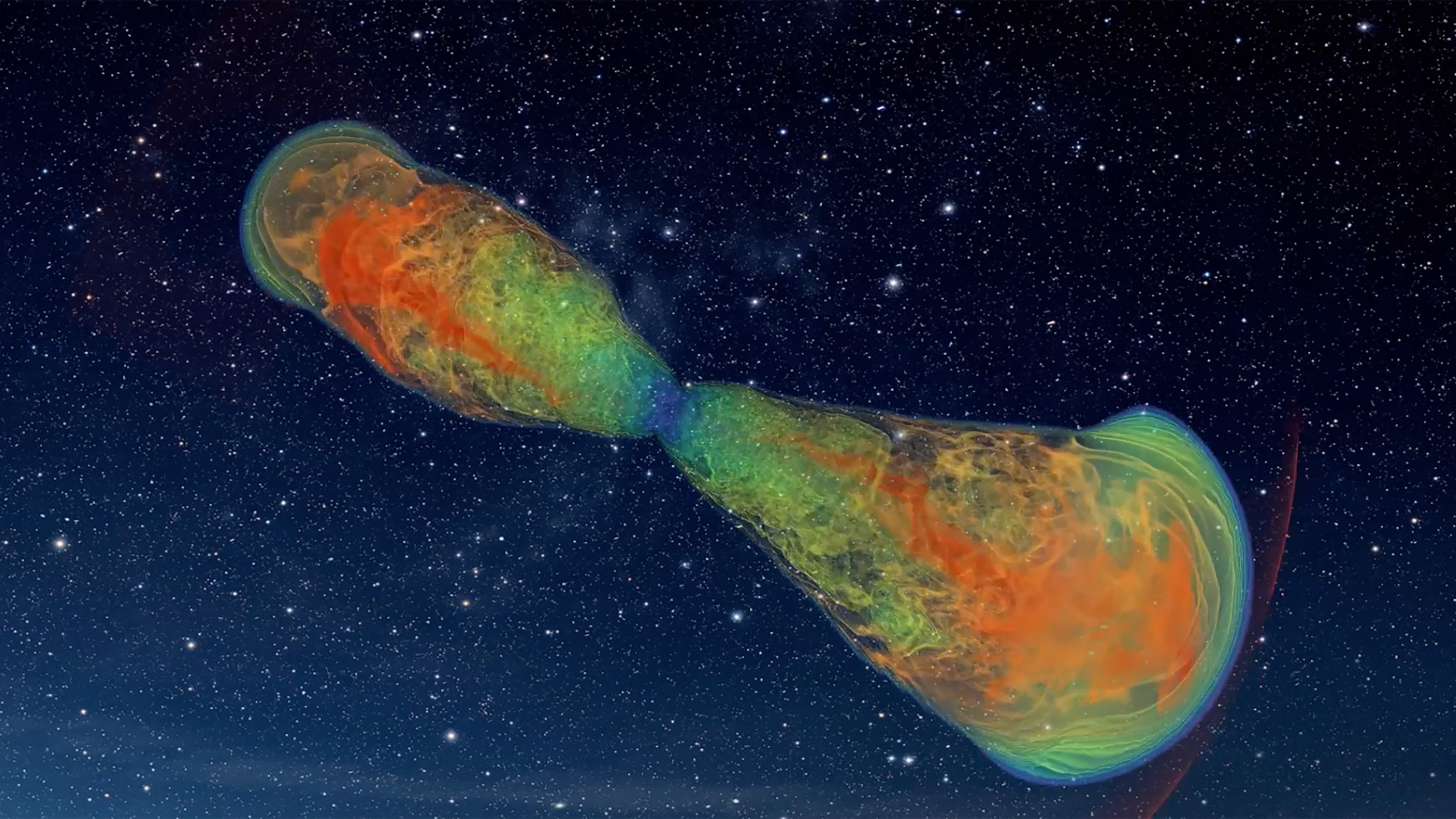
New simulations show that dying stars release enormous "cocoons" of gas that may rattle with space-time ripples called gravitational waves.
New Scientist - 7 Jun 2023 21:00

Great crested newts live mostly underground, so they're tricky to find - a researcher trained her dog, Freya, to detect the threatened amphibians deep in the soil with more than 87 per cent accuracy
Phys.org - 7 Jun 2023 20:03

Living organisms, ecosystems and the planet Earth are, from a physics point of view, examples of extraordinarily large and complex systems that are not in thermal equilibrium. To physically describe non-equilibrium syste...
New Scientist - 7 Jun 2023 20:00

The much hyped social media app Bluesky is meant to be doing things differently, but can its approach to content moderation really build a new social sphere, asks Annalee Newitz
New Scientist - 7 Jun 2023 20:00

Brain organoids could be more effective than silicon-based AIs at certain tasks. But as they grow more complex, when should we step in to protect their welfare, asks Michael Le Page
New Scientist - 7 Jun 2023 20:00

Ocean Sentinels is a series of mostly underwater sculptures by Jason deCaires Taylor, who hopes the statues will be colonised by corals and other threatened marine life
New Scientist - 7 Jun 2023 20:00

Phil Plait, the man behind the Bad Astronomy blog, is a great guide to the wonders of the cosmos. But would it be a bad thing if his new book created a fresh reverence for our home planet among some readers?
Live Science - 7 Jun 2023 19:25

Lead aprons were designed to protect reproductive organs from radiation. But are they actually necessary?
Phys.org - 7 Jun 2023 19:07

Take a lattice--a flat section of a grid of uniform cells, like a window screen or a honeycomb--and lay another, similar lattice above it. But instead of trying to line up the edges or the cells of both lattices, give th...
Phys.org - 7 Jun 2023 19:02

Using some of the world's most powerful supercomputers, a group of theorists has produced a major advance in the field of nuclear physics--a calculation of the "heavy quark diffusion coefficient." This number describes h...
New Scientist - 7 Jun 2023 18:55

Smoke from hundreds of wildfires burning in Canada has triggered air quality alerts across the northern US, including in New York City
Live Science - 7 Jun 2023 18:51
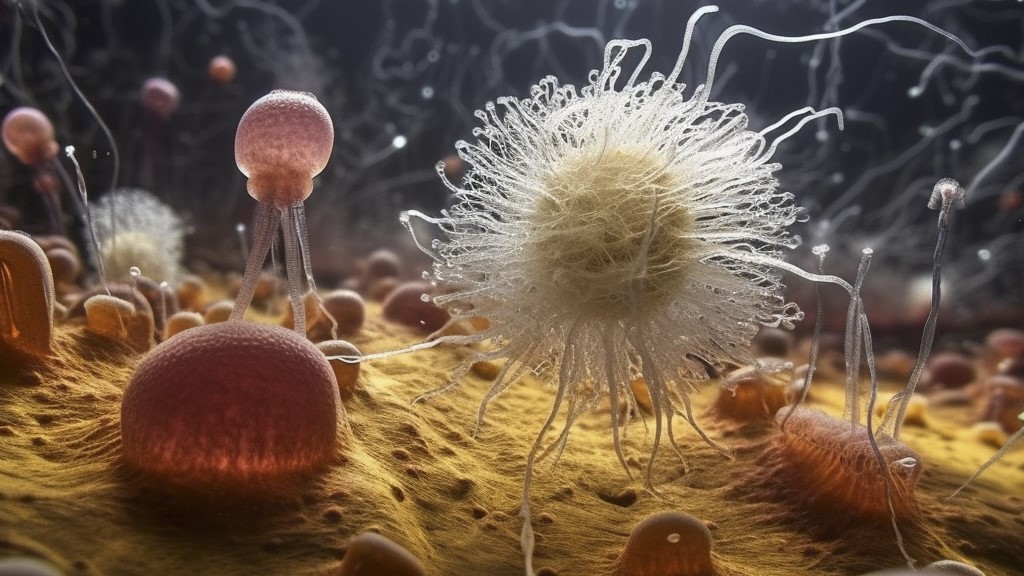
Compounds from 1.6 billion years ago reveal a microbial transition that set the stage for much of today's life on Earth.
Live Science - 7 Jun 2023 18:47
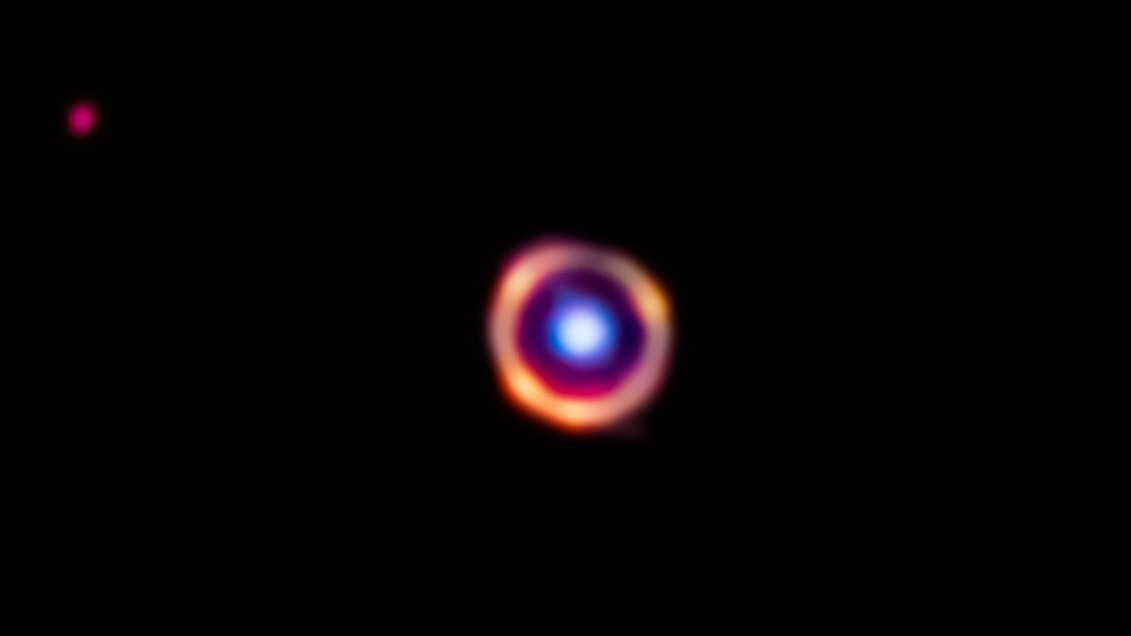
Astronomers using the James Webb Space Telescope discovered evidence of complex organic molecules in a galaxy 12.3 billion light-years away -- the furthest and oldest ever detected.
Live Science - 7 Jun 2023 18:29
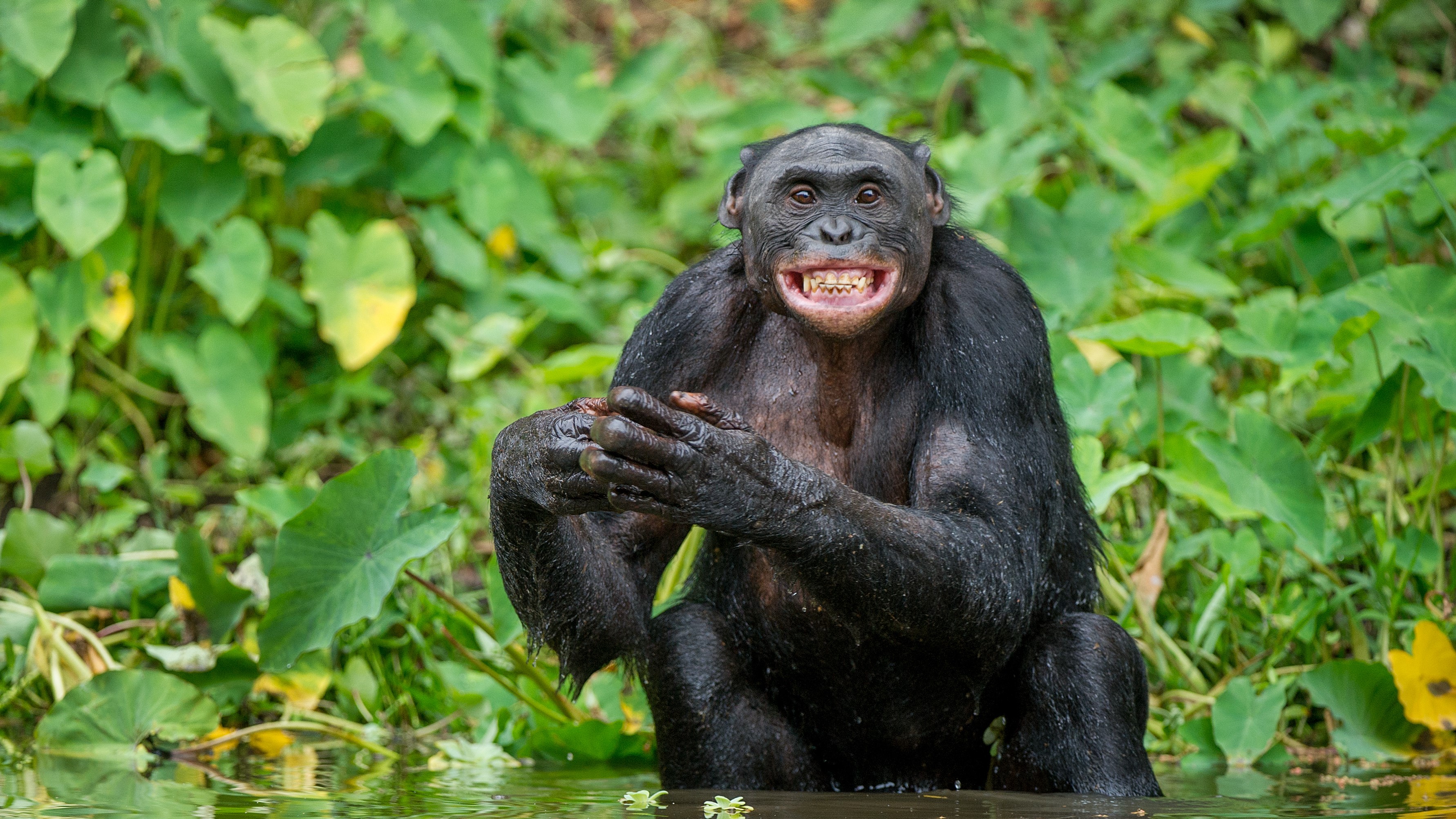
Researchers reconstructed the evolutionary origins of primate masturbation and found it was an ancestral trait that goes back to the ancestor of all moneys and apes.
Phys.org - 7 Jun 2023 18:29

A major stumbling block in our understanding of glass and glass phenomena is the elusive relationship between relaxation dynamics and glass structure. A team led by Dr. Qiaoshi Zeng from HPSTAR recently developed a new i...
Phys.org - 7 Jun 2023 18:17

A group of physicists at Hefei Institutes of Physical Science (HFIPS) of Chinese Academy of Sciences (CAS) revealed a secret of antiferromagnets, which could accelerate spintronics, a next-gen data storage and processing...
 American
Science News for 7 June 2023
American
Science News for 7 June 2023
 Global
 Great Britain
 Indian
 South Africa