Science News
 American
Science News for 19 September 2023
American
Science News for 19 September 2023
Rare mutation hints gene editing could prevent Alzheimer's disease
New Scientist - 19 Sep 2023 13:15 Two people with a mutant version of a gene variant - APOE4 - linked to Alzheimer's showed no signs of dementia, indicating that gene editing to mimic the effect may work against the condition
Is Early Convalescent Plasma Treatment A Barrier to Long COVID?
Neuroscience News - 19 Sep 2023 23:18 Researchers found that early treatment with plasma from recovered COVID-19 patients reduces the risk of developing post-COVID conditions or "long COVID." The study revealed that patients who received the plasma, rich in ...
How Flies Turn Memories into Upwind Food Hunts
Neuroscience News - 19 Sep 2023 23:00 Researchers revealed how the fruit fly brain transforms memories of past rewards into actionable behaviors, guiding the fly to food. A key brain region, the mushroom body, integrates olfactory information and assigns val...
Aging in the Brain: Microglial Changes Differ Between Sexes
Neuroscience News - 19 Sep 2023 22:09 Researchers delved into how microglial cells in the brain age and their link to brain dysfunction. Their study, using male and female mice, found surprising sex-based distinctions in microglial aging.
Scratching Below the Surface: Tech Measures Scratch Intensity
Neuroscience News - 19 Sep 2023 21:52 Researchers have developed a wearable device to objectively gauge scratching intensity. This innovation aids in the assessment of itch-relieving medications. The device combines an accelerometer with a unique contact mic...
The Dance of Histones and Genetics Makes Us Who We Are
Neuroscience News - 19 Sep 2023 21:36 Epigenetics explores how external factors, such as diet or stress, can temporarily influence the expression of our genes. At the molecular heart of this process are histones, protein structures which DNA coils around.
3D-Printed Nerve Networks Come Alive
Neuroscience News - 19 Sep 2023 21:20 Engineers have pioneered the 3D printing of nerve networks using "bioinks" packed with living neurons. This novel technique allows for the creation of 3D neural circuits that emulate the intricate connections seen in a l...
Extinct Tasmanian tiger yields RNA secrets that could aid resurrection
New Scientist - 19 Sep 2023 21:00 RNA, which regulates the activity of DNA, is a crucial part of building an organism - and now researchers have extracted some from an extinct animal for the first time
Study shows high-resolution light field displays and vision correction result in enhanced virtual experiences
Phys.org - 19 Sep 2023 20:51 Near-eye displays are emerging as the future of portable devices, providing individuals with immersive virtual reality experiences. The primary objectives in developing these displays are to create immersive experiences ...
Journey of Joy: Tracing Emotional Highs and Lows Over a Lifetime
Neuroscience News - 19 Sep 2023 20:37 Subjective well-being varies significantly across different stages of life, reveals a comprehensive study examining 460,902 participants. Life satisfaction dips during teenage years, peaks in the 70s, and drops off again...
DishBrain: Bio-Computing's Rise and Ethics in the Age of Living Machines
Neuroscience News - 19 Sep 2023 20:22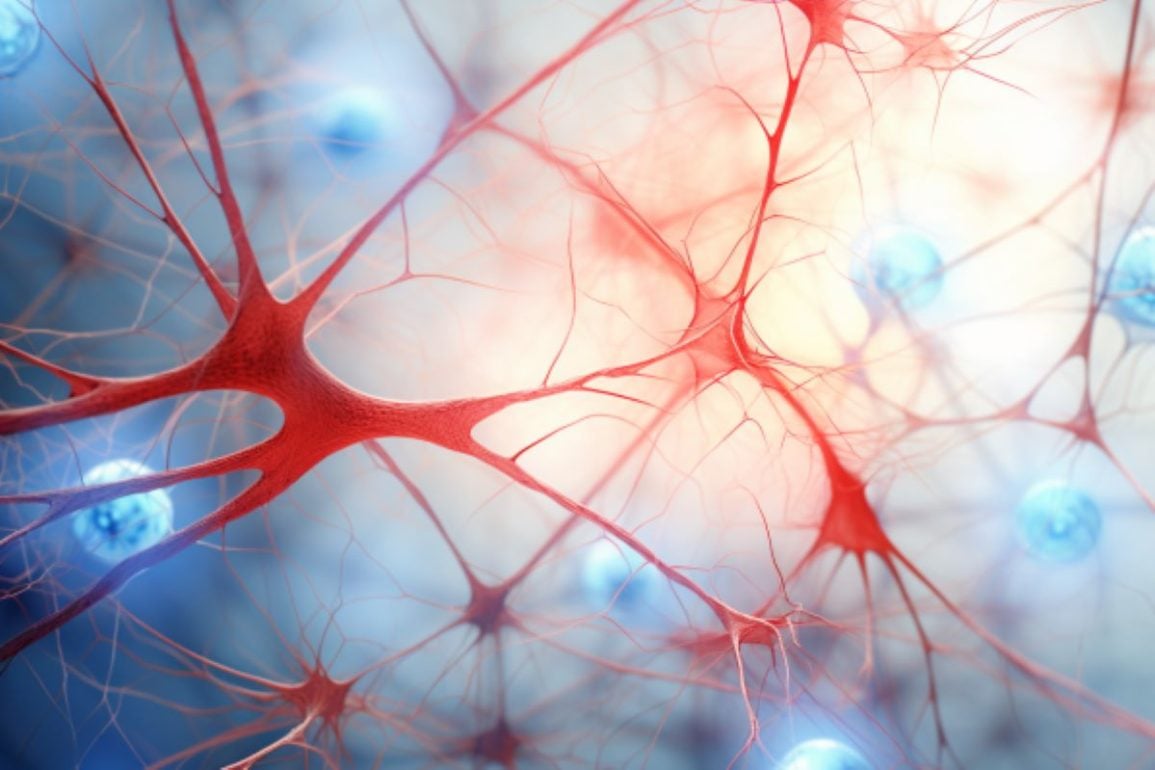 The revolutionary field of bio-computing is making waves as DishBrain, a neural system combining 800,000 living brain cells, learns to play Pong. Recognizing the pressing need for ethical guidelines in this emerging doma...
RNA extracted from an extinct species for the 1st time
Live Science - 19 Sep 2023 20:00
Researchers analyzed RNA from the 130-year-old tissue of a Tasmanian tiger, a carnivorous marsupial that went extinct nine decades ago.
Mapping Love: Study Charts How Love Feels in Our Bodies
Neuroscience News - 19 Sep 2023 19:47 Researchers unveiled a groundbreaking "map" of how different types of love are physically and mentally experienced throughout the body. Through a survey involving 27 distinct love forms, results showed a continuum from w...
DARPA is funding AI to help make battlefield decisions
Live Science - 19 Sep 2023 19:01 The U.S. military research agency DARPA is spending millions to develop artificial intelligence that can help make strategic battlefield decisions.
Theory of consciousness branded 'pseudoscience' by neuroscientists
New Scientist - 19 Sep 2023 18:06 A leading theory about consciousness called the integrated information theory has been attacked in an open letter from over one hundred researchers in the field
Rare Australian pink diamonds emerged when a supercontinent broke up
New Scientist - 19 Sep 2023 18:00 Understanding how the world's largest-known collection of pink diamonds came to the surface in Australia around 1.3 billion years ago could help us find hidden deposits elsewhere in the world
Why being more open about mental health could be making us feel worse
New Scientist - 19 Sep 2023 18:00 The language of the therapy room is creeping into everyday life. Psychologist Lucy Foulkes says therapy speak and overpsychologising could do more harm than good
Green comet Nishimura survives its superheated slingshot around the sun. Will we get another chance to see it?
Live Science - 19 Sep 2023 17:39 Comet Nishimura, which was only discovered in August, has survived its closest approach to the sun and will brighten over the next week. But is it still visible from Earth?
DeepMind AI can predict if DNA mutations are likely to be harmful
New Scientist - 19 Sep 2023 17:30 By working out which small mutations will probably be damaging, DeepMind's AlphaMissense system could help doctors identify the cause of genetic diseases
James Webb telescope snaps rainbow 'lightsaber' shockwaves shooting out of a newborn sun-like star
Live Science - 19 Sep 2023 17:23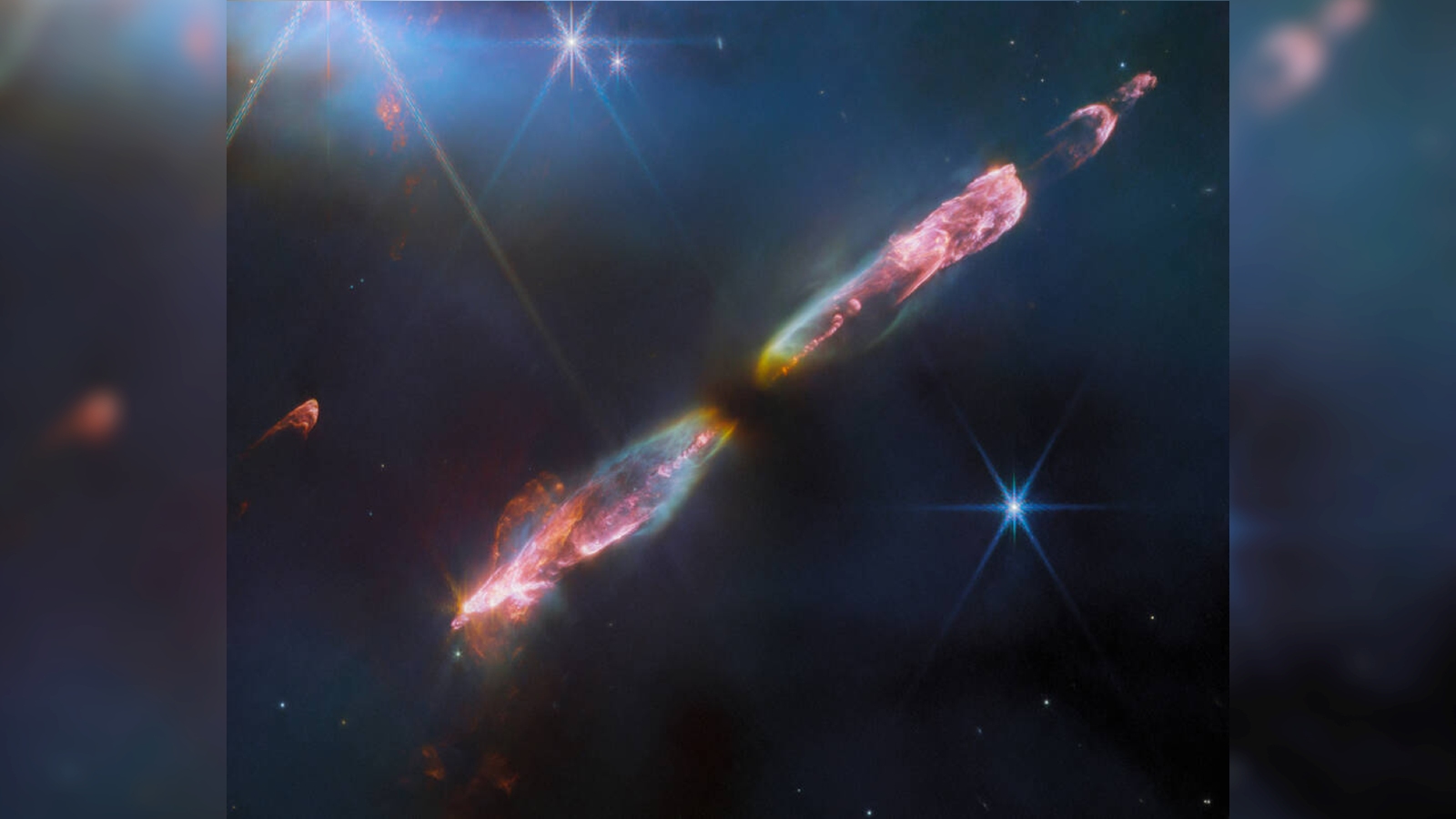 The James Webb Space Telescope captured a new image of a young sun-like protostar spitting out gas and dust that forms stunning shockwaves when viewed in infrared.
Earth's biggest cache of pink diamonds formed in the breakup of the 1st supercontinent 'Nuna'
Live Science - 19 Sep 2023 17:00 The Argyle formation in Australia, which hosts 90% of the world's pink diamonds, formed when the first supercontinent broke up.
Catastrophic Libyan dam collapse partly caused by climate change
New Scientist - 19 Sep 2023 16:00 Recent extreme rainfall that caused flooding across the Mediterranean and contributed to the catastrophic collapse of two dams in Libya was probably made more likely and more intense by climate change
 Global
 Great Britain
 Indian
 South Africa