Live Science - 4 Oct 2023 22:12

Archaeologists in Norway unearthed dozens of tiny gold-foil figures at a former pagan temple.
Phys.org - 4 Oct 2023 18:28

Quantum electrodynamics is the best-tested theory in physics. It describes all electrical and magnetic interactions of light and matter. Scientists at the Max-Planck-Institut für Kernphysik in Heidelberg (MPIK) have now...
Phys.org - 4 Oct 2023 23:15

The muon is a subatomic particle that resembles an electron but is 200 times heavier. It interacts with nuclei through the weak force, one of the four fundamental forces in the universe. When a muon binds with a deuteron...
Neuroscience News - 4 Oct 2023 22:37

Researchers explore graphene oxide nanoflakes as a promising tool in battling Alzheimer's disease, a devastating condition impacting over 40 million people globally. In a groundbreaking study, yeast cells accumulating ha...
Live Science - 4 Oct 2023 22:05

Two conflicting methods to measure the expansion rate of the universe give different results, but researchers could resolve the disparity by watching merging neutron stars explode.
Neuroscience News - 4 Oct 2023 22:03

Researchers engineered an electronic "tongue" that potentially lays a framework for developing artificial intelligence (AI) with emotional intelligence, particularly related to taste and eating habits. This initiative ex...
Phys.org - 4 Oct 2023 21:40

When two lattices with distinct angles or periodicities come together, they conjure a moiré superlattice--a realm where astonishing phenomena like superconductivity and optical solitons spring to life. At the heart of t...
Live Science - 4 Oct 2023 21:04
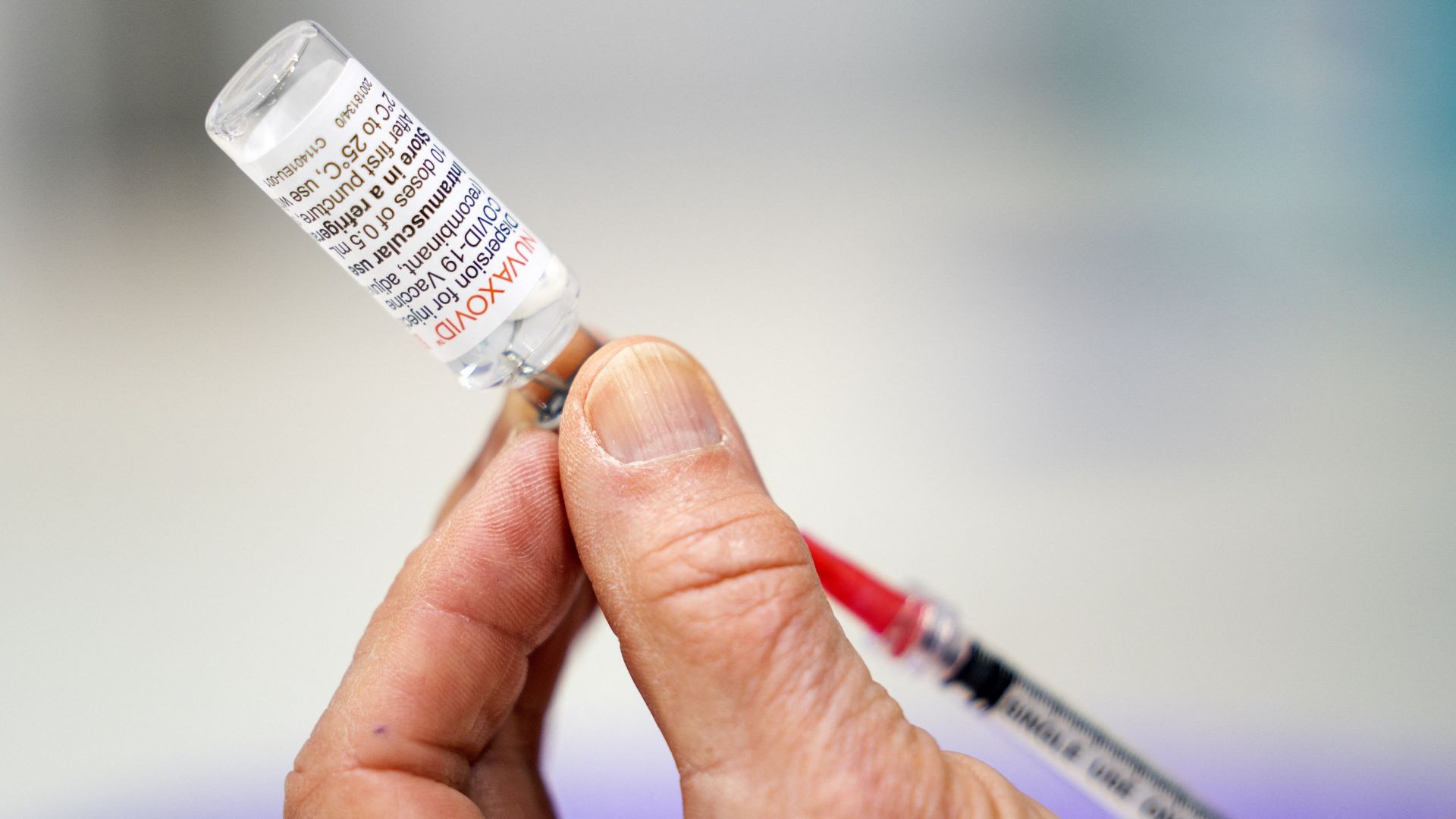
An updated COVID-19 vaccine made by Novavax has been authorized by the FDA, joining the two vaccines already cleared for use.
New Scientist - 4 Oct 2023 21:00

Two of three genes that affect your likelihood of being vegetarianism are involved in fat metabolism, suggesting that they may affect people's ability to tolerate a diet without animal fats
New Scientist - 4 Oct 2023 21:00

Common hippos can't move their mouths side to side to grind their food, while pgymy hippos can only partly do this motion
Neuroscience News - 4 Oct 2023 20:59

The presence of the MECP2 protein in parvalbumin (PV) neurons is crucial for newly-mothering mice to rapidly learn and respond to their pups' distress cries, hinting at how the brain rewires during pivotal adult learning...
Live Science - 4 Oct 2023 20:07
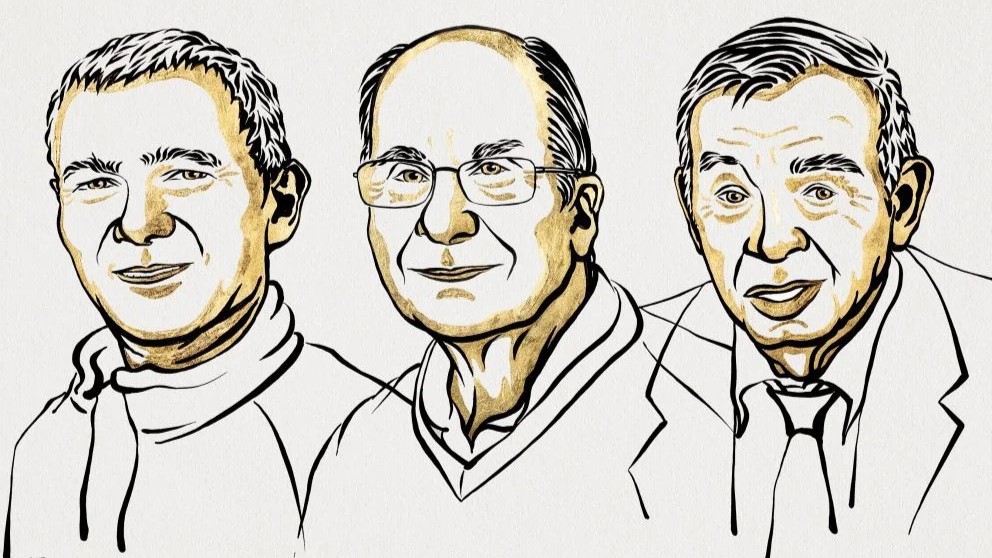
Moungi Bawendi, Louis Brus and Alexei Ekimov will share the Nobel Prize in Chemistry for their discovery of strange nanoparticles that change color according to their size.
Live Science - 4 Oct 2023 20:00
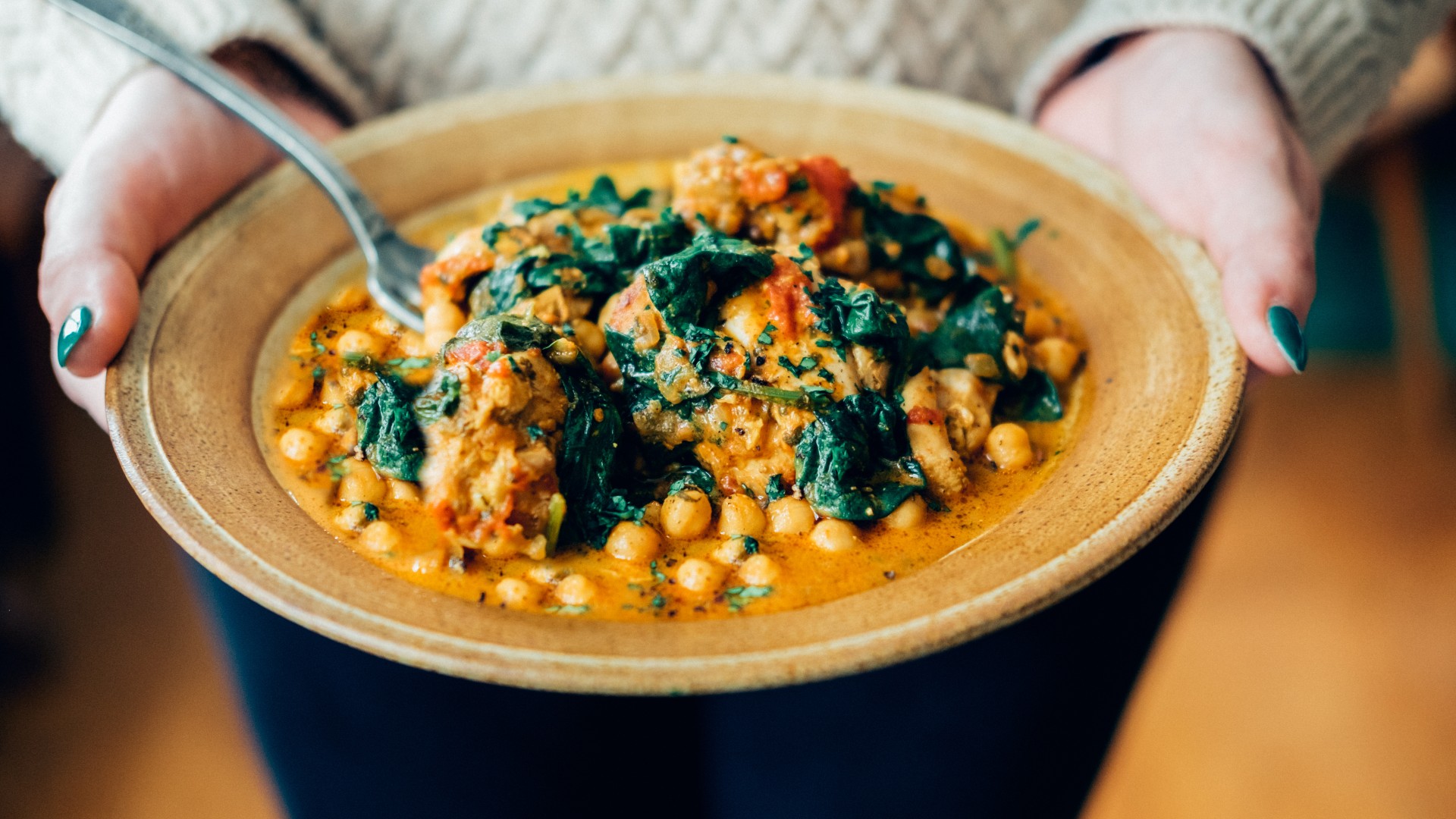
A new analysis of more than 330,000 genomes has revealed specific gene variants that may be associated with vegetarianism.
New Scientist - 4 Oct 2023 20:00

The world has happily embraced large language models such as ChatGPT, but even researchers working in AI don't fully understand the systems they work on, finds Alex Wilkins
New Scientist - 4 Oct 2023 20:00

Scientific progress has made all sorts of families possible. But as a thought-provoking new exhibition at the Fitzwilliam Museum in Cambridge, UK, shows, it hasn't been a pain-free shift
New Scientist - 4 Oct 2023 20:00

A reader informs Feedback about the Black Hole Lane near their home, but adds that they have yet to reach the event horizon
New Scientist - 4 Oct 2023 20:00

Three decades in the making, JWST is one of the most ambitious space projects ever embarked on. These photographs, from a new book, Inside the Star Factory, show how it was developed
New Scientist - 4 Oct 2023 20:00

A scary future looms if we fail to protect the freedom of being anonymous in public places, says Kashmir Hill's new book
Live Science - 4 Oct 2023 18:31

Archaeologists excavating an ancient necropolis have unearthed a Roman-era sarcophagus containing the remains of a second-century woman, who was buried with oil lamps and accessories.
New Scientist - 4 Oct 2023 18:30

Today's test of the US national alert system on mobile phones is intended to offer opportunities to learn and prepare for emergencies, but tests in the past have sparked conspiracy theories
New Scientist - 4 Oct 2023 18:00

Researchers built tiny robots that can switch between two different kinds of flight, one involving unusually fast wing-flapping, to better understand insect evolution
Phys.org - 4 Oct 2023 17:14

On April 8, 1911, Dutch physicist Heike Kamerlingh Onnes scribbled in pencil an almost unintelligible note into a kitchen notebook: "near enough null."
 American
Science News for 4 October 2023
American
Science News for 4 October 2023
 Global
 Great Britain
 Indian
 South Africa