Neuroscience News - 17 Apr 2024 23:23
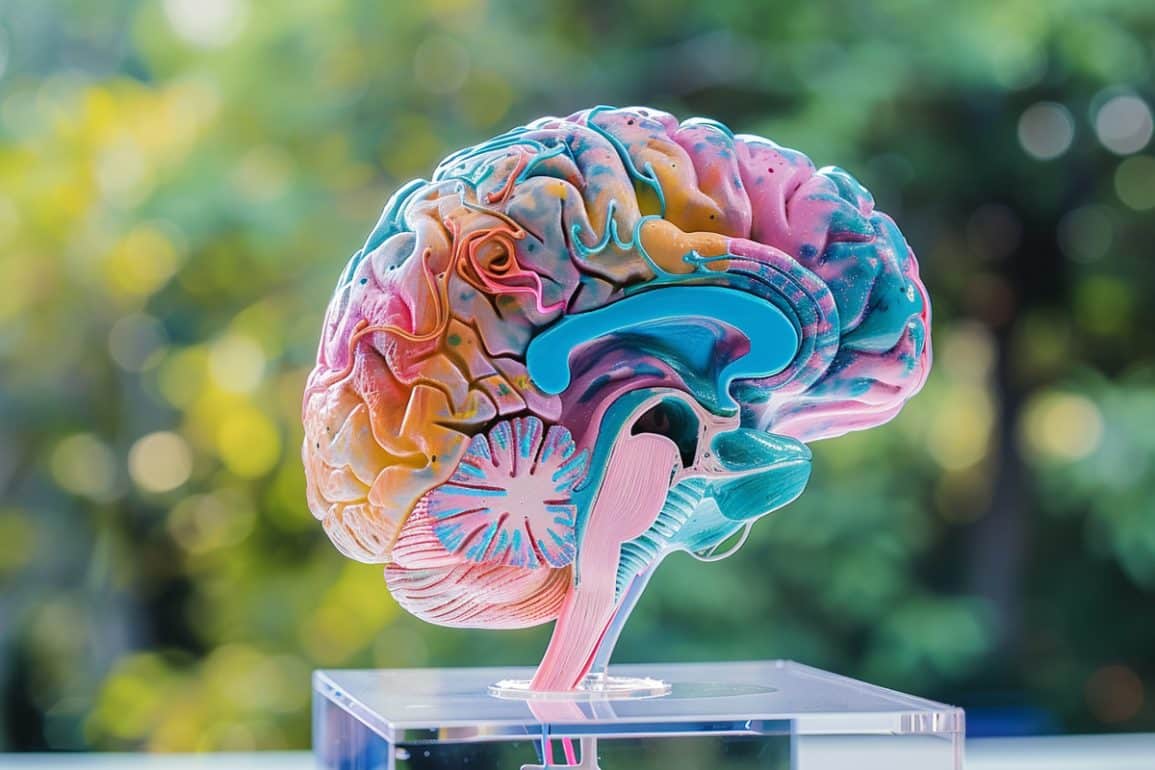
Researchers developed a groundbreaking approach using Diffusion MRI to explore the brain structures of individuals with autism spectrum disorder (ASD). This technique measures how water molecules move through the brain, ...
Neuroscience News - 17 Apr 2024 21:14

A flexible response to food cues significantly improves attitudes towards high-calorie foods among women with controlled eating habits. The research involved 78 women, employing tests like the Implicit Association Test a...
Neuroscience News - 17 Apr 2024 23:04

Researchers developed a method using wearable headcams and AI to analyze teenagers' facial expressions, revealing subtle emotional nuances. This technology has shown potential in identifying emotions such as worry and ha...
Live Science - 17 Apr 2024 22:56

"Undead" cells in the placenta that spew proteins may help explain cases of heart failure that happen in late pregnancy and the early postpartum period.
Neuroscience News - 17 Apr 2024 22:46

A new study emphasizes the importance of brain rhythms in understanding cognition. The research explores how rhythmic electrical fields, generated by neurons, influence and align neighboring neurons, enhancing cognitive ...
Neuroscience News - 17 Apr 2024 22:30

Engaging in complex, thought-provoking work may lower the risk of mild cognitive impairment (MCI) in older age. Conducted by researchers at Oslo University Hospital, the study analyzed job demands of over 7,000 people ac...
Live Science - 17 Apr 2024 22:14
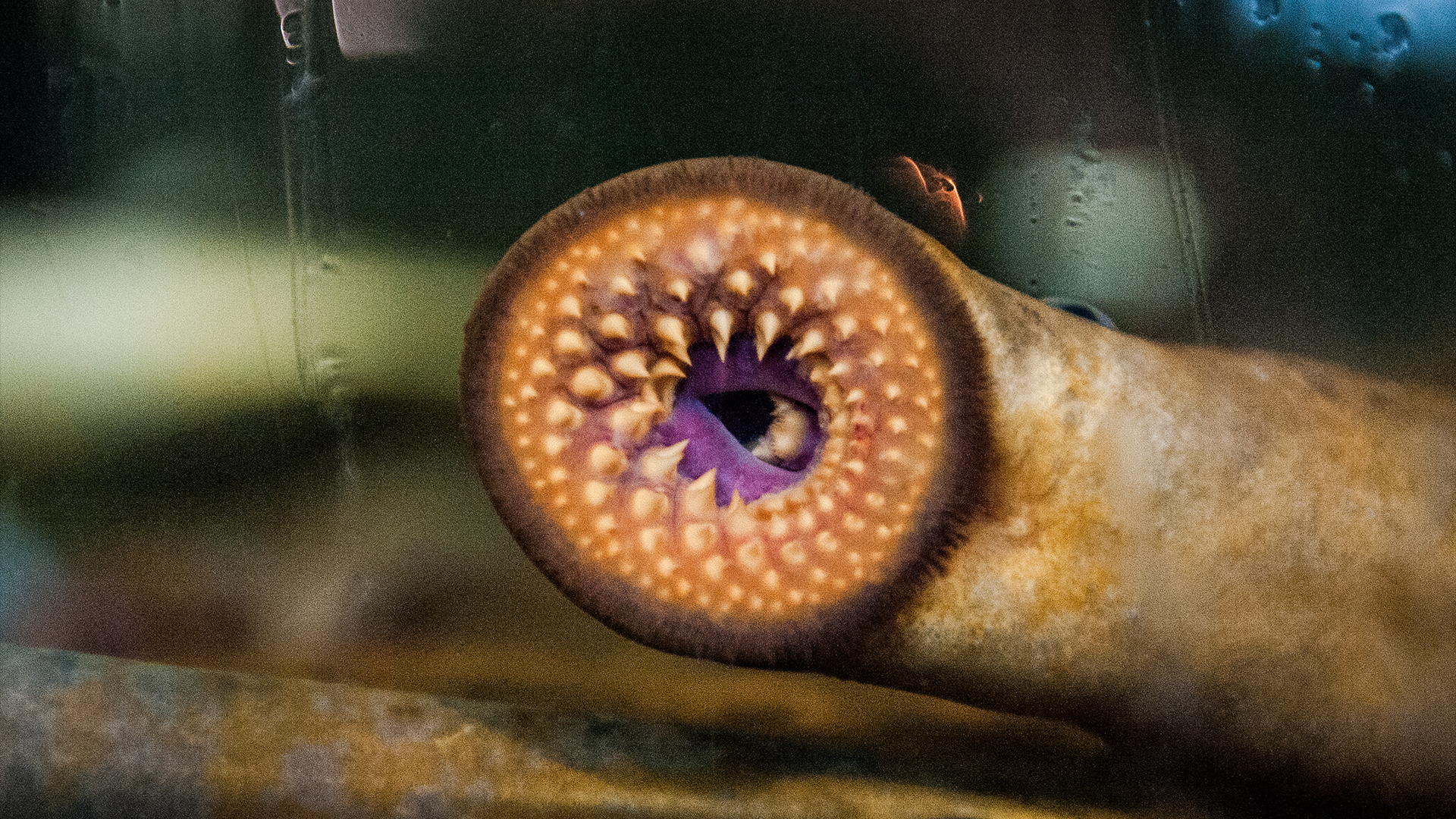
A new study of vertebrate evolution reveals that we have more in common with spooky-looking fish called lampreys than we thought.
Phys.org - 17 Apr 2024 22:10

Coffee beans in a jar and piles of rice or sand are examples of granular matter: materials composed of large numbers of macroscopic--rather than atomic scale--particles. Although granular matter is extremely familiar in ...
Live Science - 17 Apr 2024 21:56
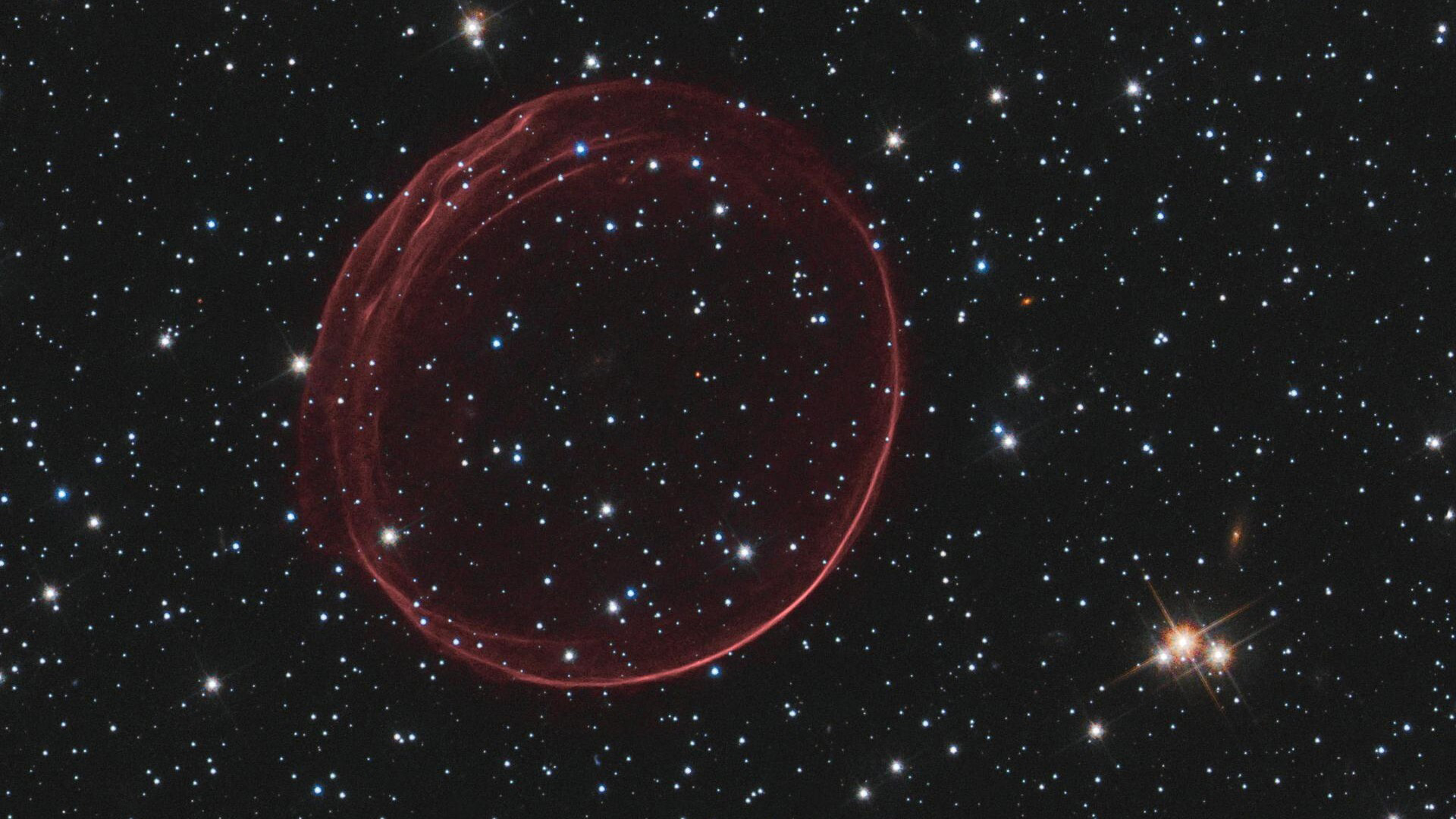
With the nature of the universe's two most elusive components up for debate, physicists have proposed a radical idea: Invisible particles called tachyons, which break causality and move faster than light, may dominate th...
Phys.org - 17 Apr 2024 21:45

Electron spin states can now be probed at much higher resolution and more efficiently, opening new opportunities in materials analysis and data processing technologies.
New Scientist - 17 Apr 2024 21:00

The jawbone of an ichthyosaur uncovered in south-west England has been identified as a new species, and researchers estimate that the whole animal was 20 to 25 metres long
New Scientist - 17 Apr 2024 21:00

Underground tunnels created by lava flows provided humans with shelter for thousands of years beneath the hot desert landscape of Saudi Arabia
Live Science - 17 Apr 2024 20:42
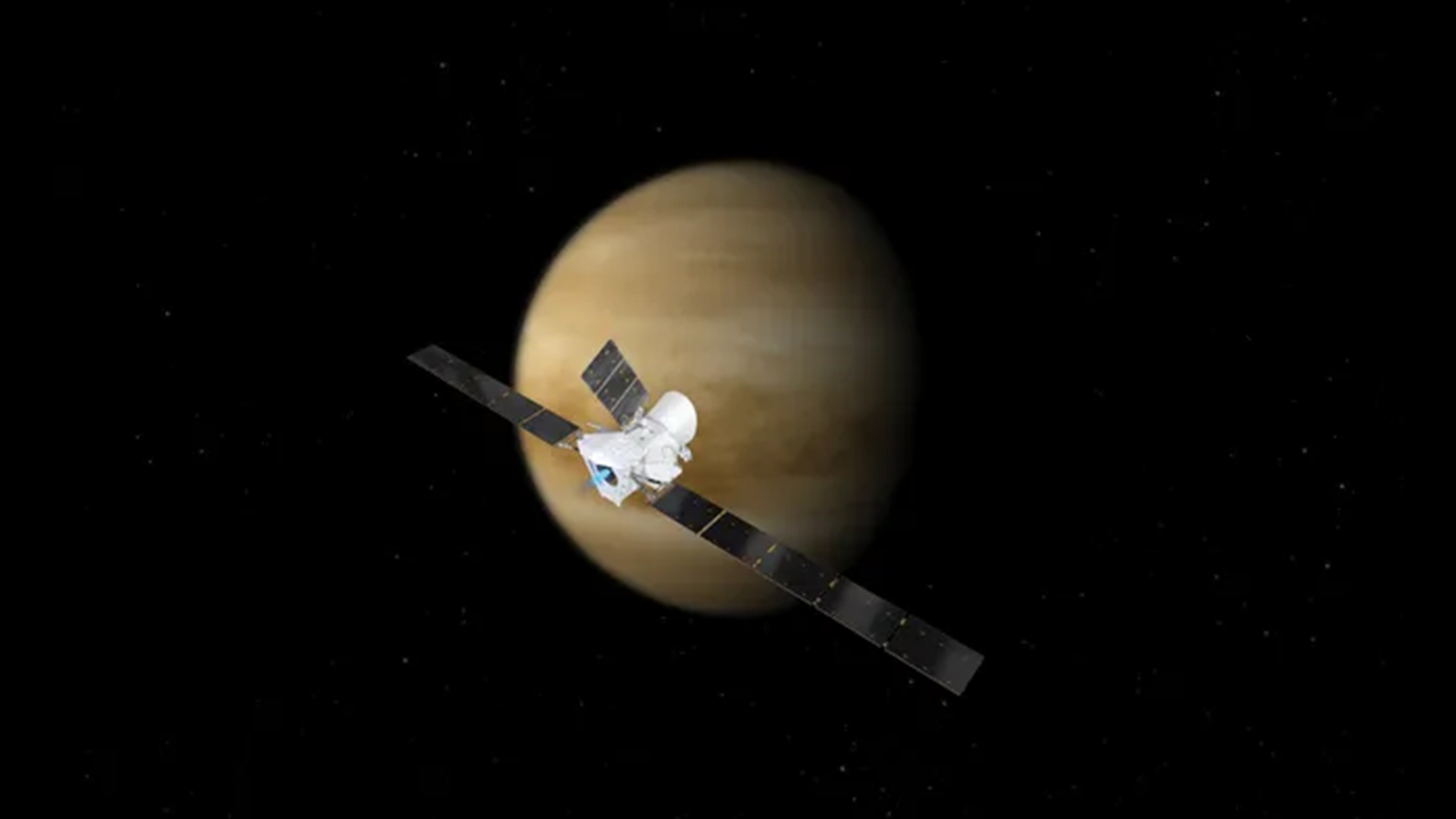
Observations of Venus taken with the BepiColombo space probe show that our cosmic neighbor is leaking significant amounts of carbon and oxygen from its atmosphere, and researchers can't totally explain why.
Neuroscience News - 17 Apr 2024 20:35

Researchers uncovered how certain brain cells enhance our ability to maintain and focus on short-term memories. Their study highlights a new type of neuron, dubbed PAC neurons, which coordinate the activity of memory-spe...
New Scientist - 17 Apr 2024 20:00

Artist Matthew Attard turned to eye-tracking technology to generate a fresh take on images of ships carved by seafarers on chapels in Malta hundreds of years ago
New Scientist - 17 Apr 2024 20:00

One in five adults worldwide is living with fatigue. The general advice is to "do more" - but this isn't the only solution to our exhaustion epidemic, says Amy Arthur
New Scientist - 17 Apr 2024 20:00

Negative thinking is unpopular but it could drive more realistic efforts to limit harm from global warming
Live Science - 17 Apr 2024 20:00
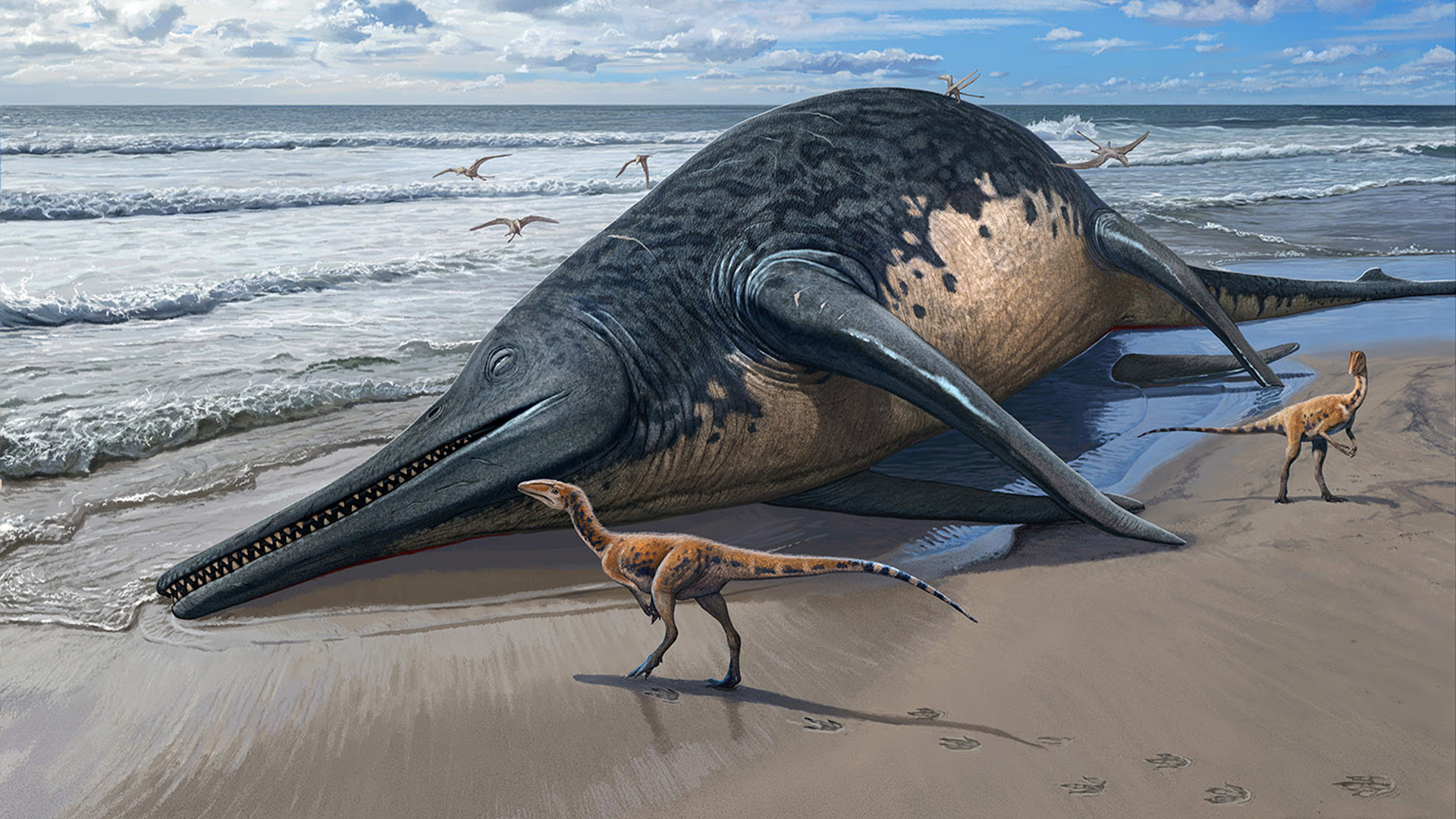
Newly discovered ichthyosaur that lived 200 million years ago in the Triassic sea is potentially the biggest to ever live, scientists say.
Live Science - 17 Apr 2024 20:00

An analysis of a lava tube in Saudi Arabia reveals that humans have lived there for at least 7,000 years.
Live Science - 17 Apr 2024 20:00

Modern Japanese people largely originated from three ancestral groups and carry ancient DNA that may influence their risk of developing certain diseases, genetic analyses suggest.
New Scientist - 17 Apr 2024 20:00

Feedback pores over new research that suggests "robot-human boxing" would reduce brain injuries by reducing the number of live opponents involved
New Scientist - 17 Apr 2024 20:00

Millions of people experience symptoms many doctors dismiss as imaginary, but why? Caroline Crampton's moving first-person account is very revealing
 American
Science News for 17 April 2024
American
Science News for 17 April 2024
 Global
 Great Britain
 Indian
 South Africa