Live Science - 3 May 2024 14:00
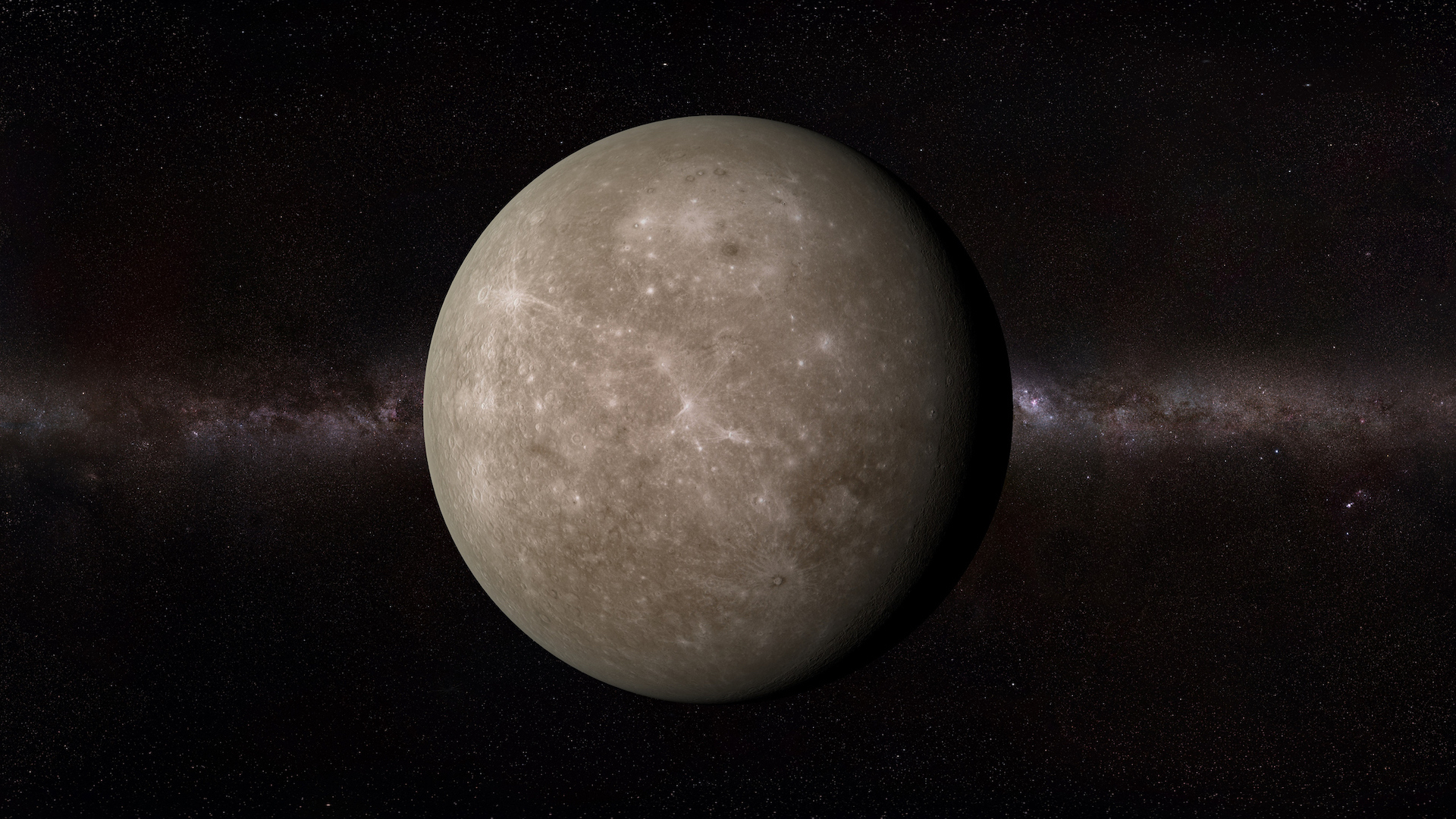
Mercury is about to reach its "greatest elongation west" of the sun, meaning stargazers will have their best view of the "swift planet" all year. Here's how to see it.
Live Science - 3 May 2024 21:37
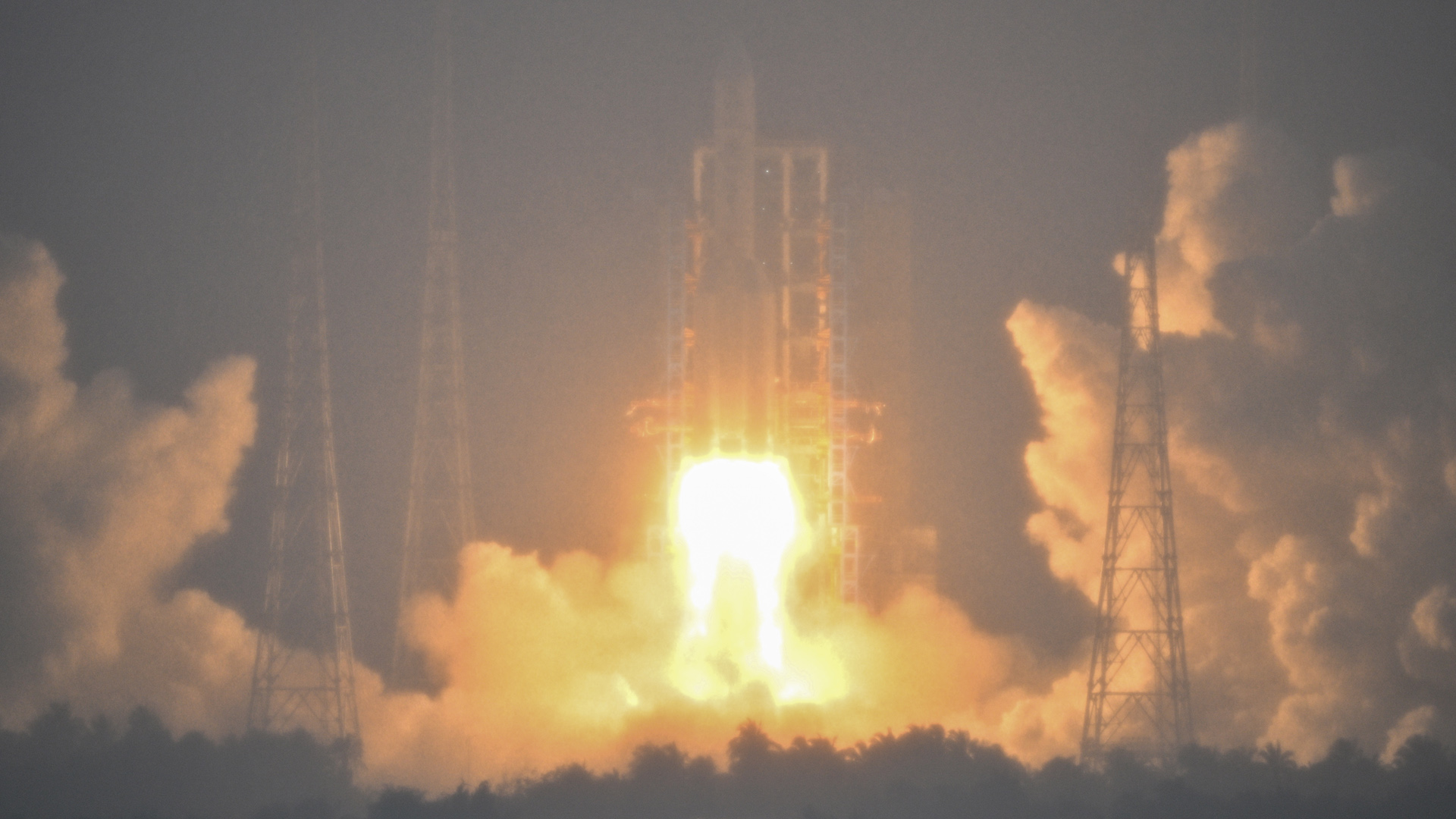
China's launched its Chang'e 6 sample-return mission, which will haul dirt and rocks home from the mysterious lunar far side.
Neuroscience News - 3 May 2024 21:35

Researchers are conducting a study to explore the impact of omega-3 supplements on children's behavior, mood, and mental health. Recognizing that UK children consume less than half the recommended omega-3 intake, this st...
Neuroscience News - 3 May 2024 21:18
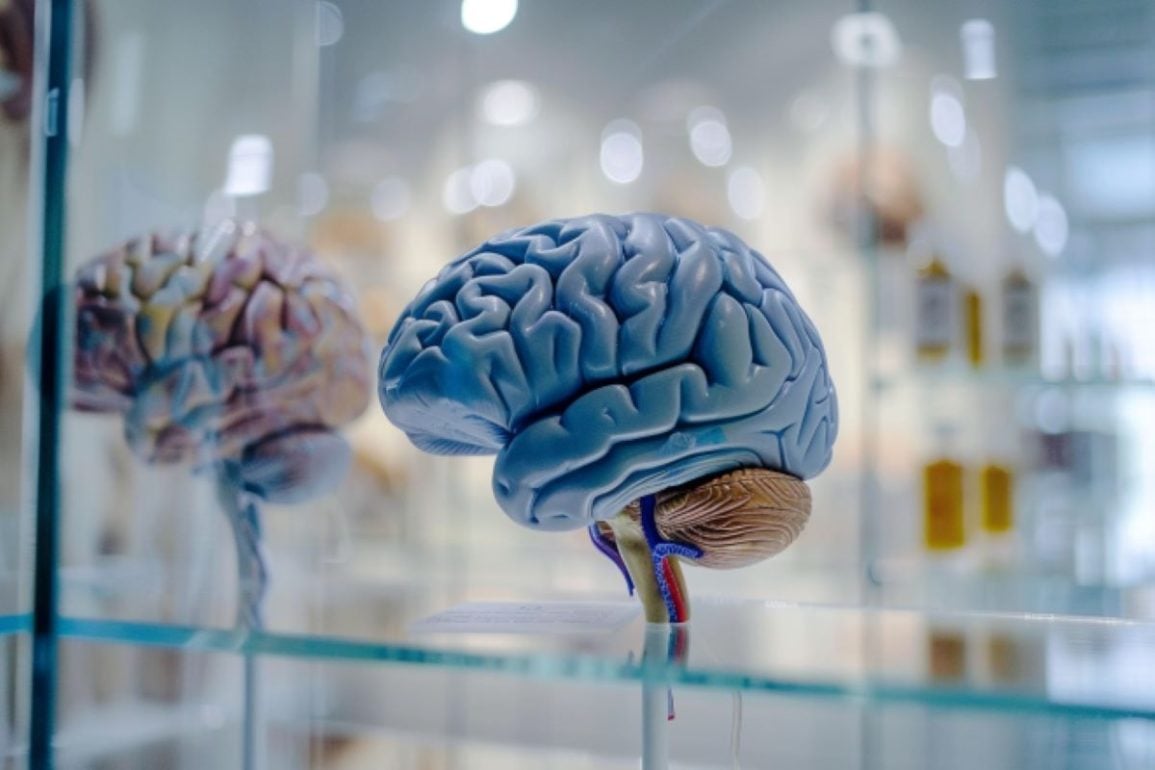
A new study explores how brain chemistry influences political opinions through the "threat-based neural switch theory." This theory suggests that stress from economic crises and wars enhances susceptibility to simple, of...
Live Science - 3 May 2024 21:14

The languages of the earliest Americans evolved in 4 waves, according to one expert.
New Scientist - 3 May 2024 21:00

The inactivation of one copy of the X chromosome in female mammals may start to fail as they get older, which may be why women have a higher risk of autoimmune conditions such as lupus
Live Science - 3 May 2024 20:34
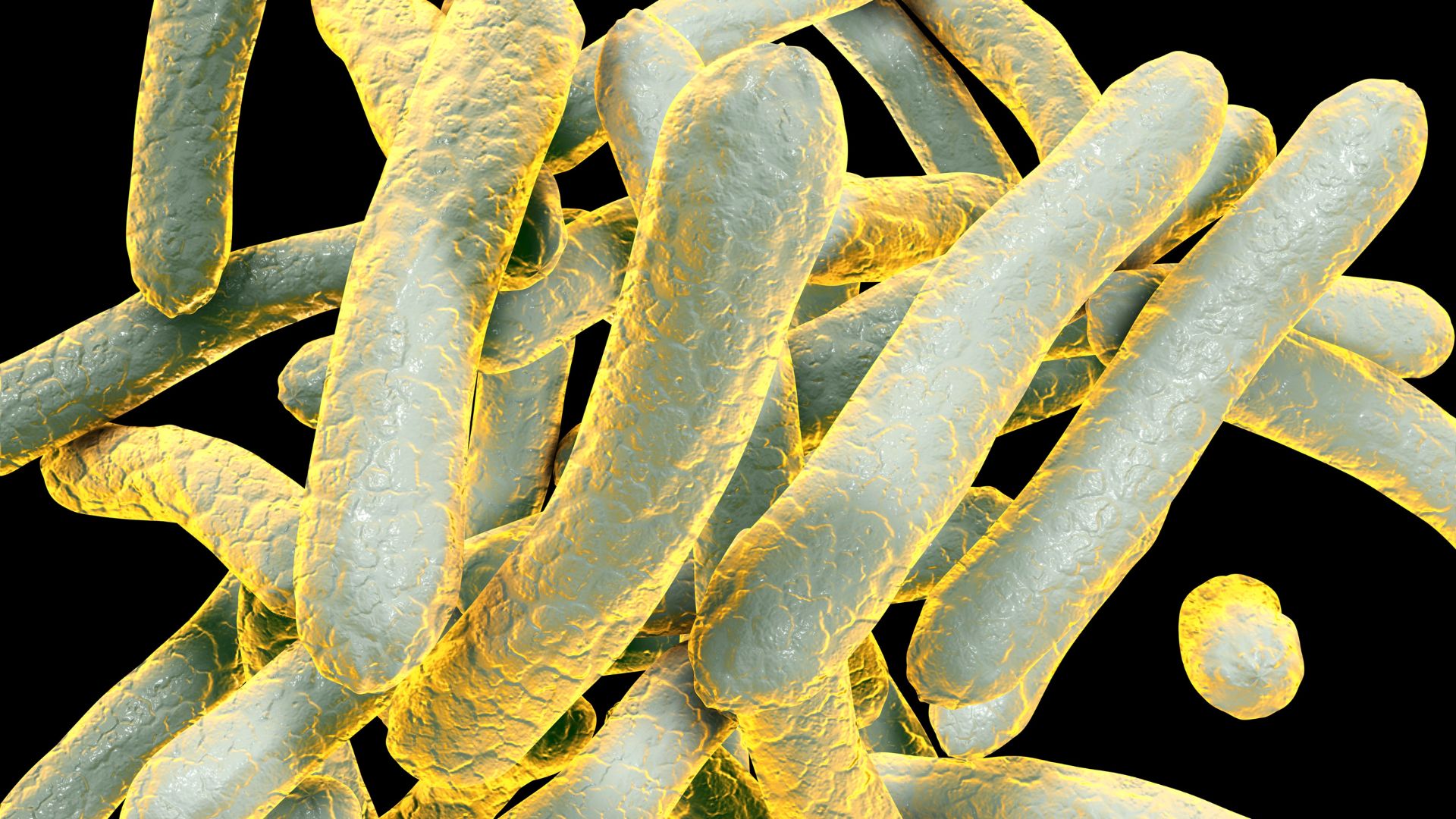
Health officials have warned of an ongoing tuberculosis outbreak in Long Beach, California.
Neuroscience News - 3 May 2024 20:19

Umbilical cord milking (UCM)--a method of squeezing the umbilical cord towards the infant before clamping--poses no long-term neurodevelopmental risks for newborns. The study involved assessing 971 children at ten U.S. m...
Neuroscience News - 3 May 2024 20:02

Researchers identify effective behavior change interventions across different crises, such as pandemics and climate change. The study found that common approaches focusing on changing knowledge or beliefs are often ineff...
Live Science - 3 May 2024 19:23
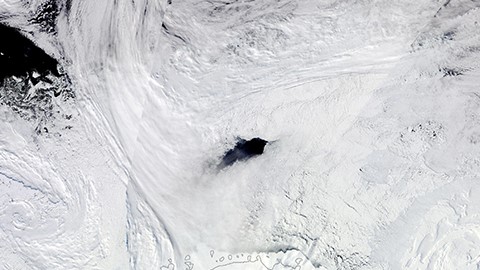
The Maud Rise polynya has been sporadically opening up in Antarctica's ice since at least the 1970s. Now climatologists finally know why.
Live Science - 3 May 2024 18:20
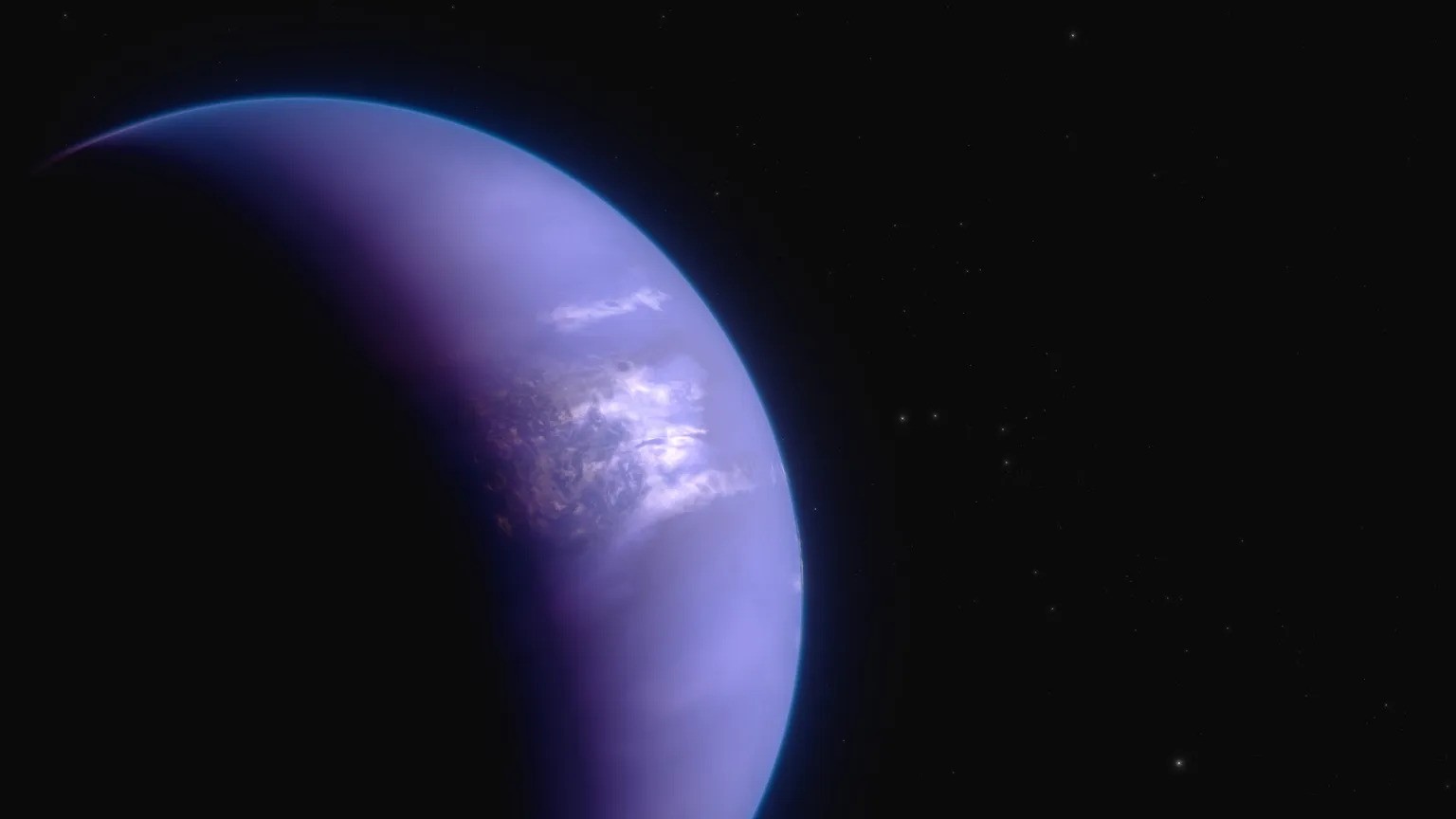
New James Webb Space Telescope observations of the exoplanet WASP-43b reveal that the hot gas giant is tidally locked, meaning one side permanently faces its sun while the other always stares out into space.
New Scientist - 3 May 2024 18:00

DNA analysis of remains found at medieval sites has identified closely related strains of leprosy-causing bacteria in the bones of humans and a red squirrel
Phys.org - 3 May 2024 17:30

A team of physicists at Harvard University has succeeded in trapping individual polyatomic molecules in optical tweezer arrays for the first time. In their paper published in the journal Nature, the group describes how t...
Live Science - 3 May 2024 15:55

The wreck near a beach on Mallorca gives a snapshot of sea trade in late Roman times.
Phys.org - 3 May 2024 15:27

Quantum sensors detect the smallest of environmental changes--for example, an atom reacting to a magnetic field. As these sensors "read" the unique behaviors of subatomic particles, they also dramatically improve scienti...
Phys.org - 3 May 2024 15:17

A team of researchers in Japan has engineered a mirror for X-rays that can be flexibly shaped, resulting in remarkable precision at the atomic level and increased stability.
Live Science - 3 May 2024 15:00
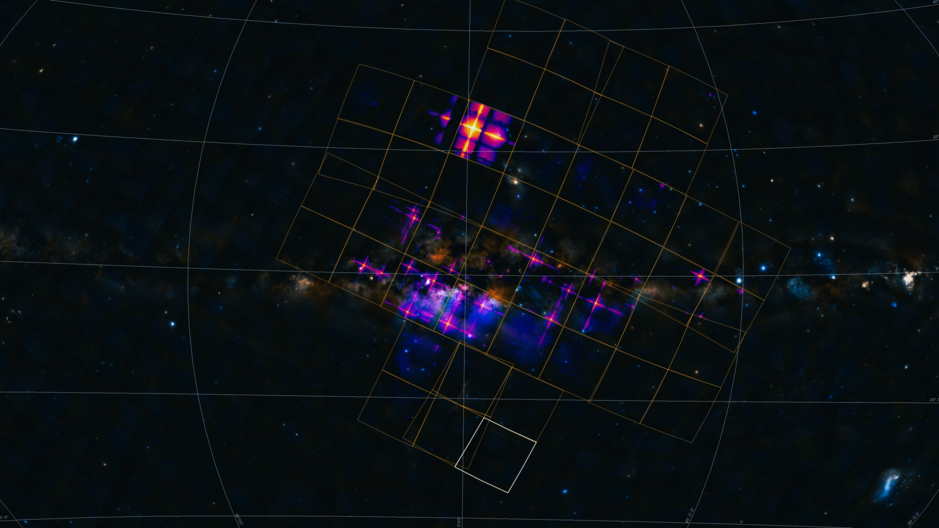
Flaring stars, black hole outbursts and gamma-rays are just some of the cosmic exotica that Einstein Probe will hunt for.
Live Science - 3 May 2024 14:04
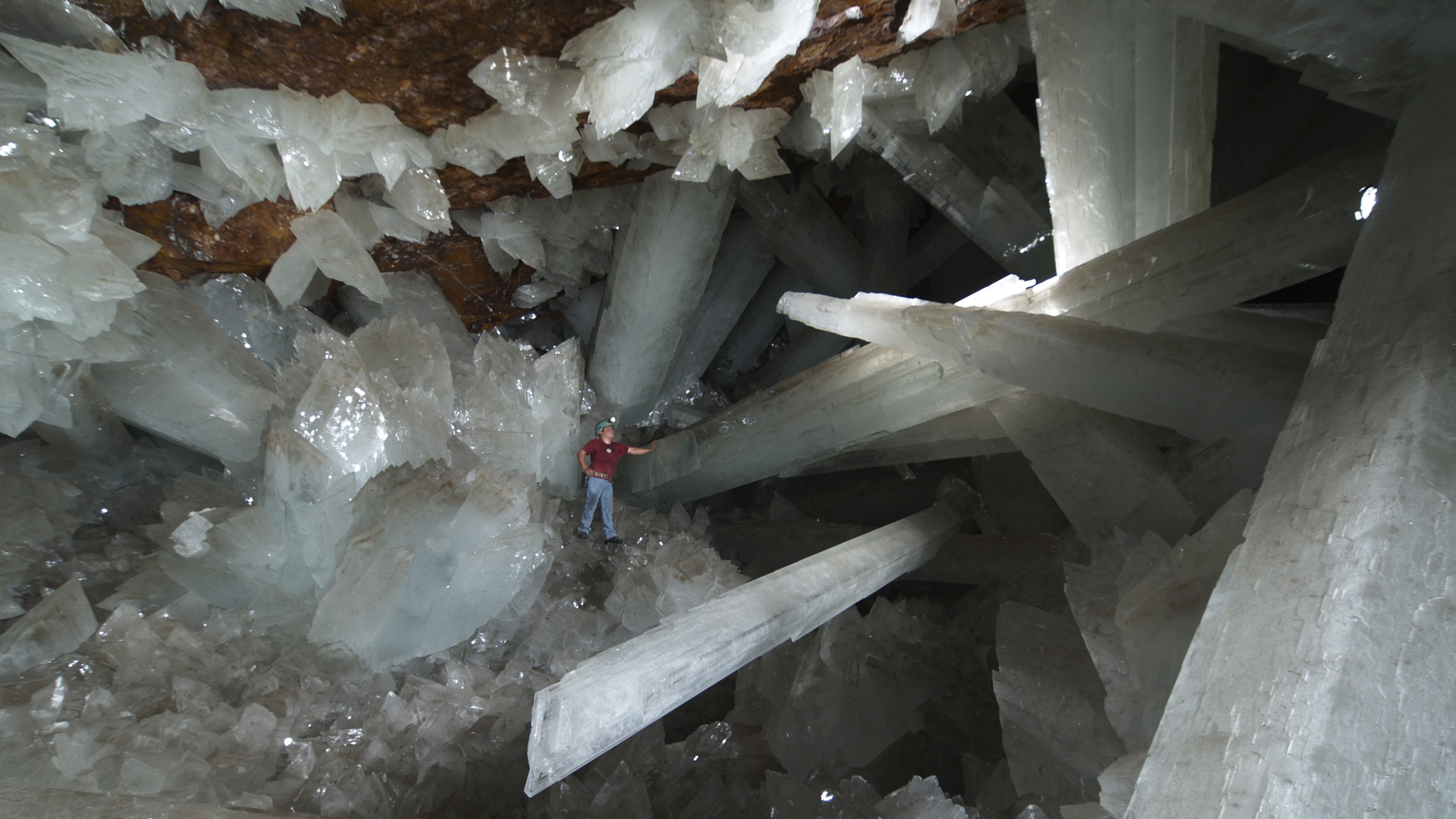
The Cave of Crystals in Chihuahua, Mexico, is buried almost 1,000 feet (300 meters) beneath Earth's surface and contains giant gypsum crystal beams that are up to 37 feet (11 m) long.
New Scientist - 3 May 2024 14:00

Migrating flies can carry pollen hundreds or thousands of kilometres, and this could help plants adapt to climate change
Live Science - 3 May 2024 13:00
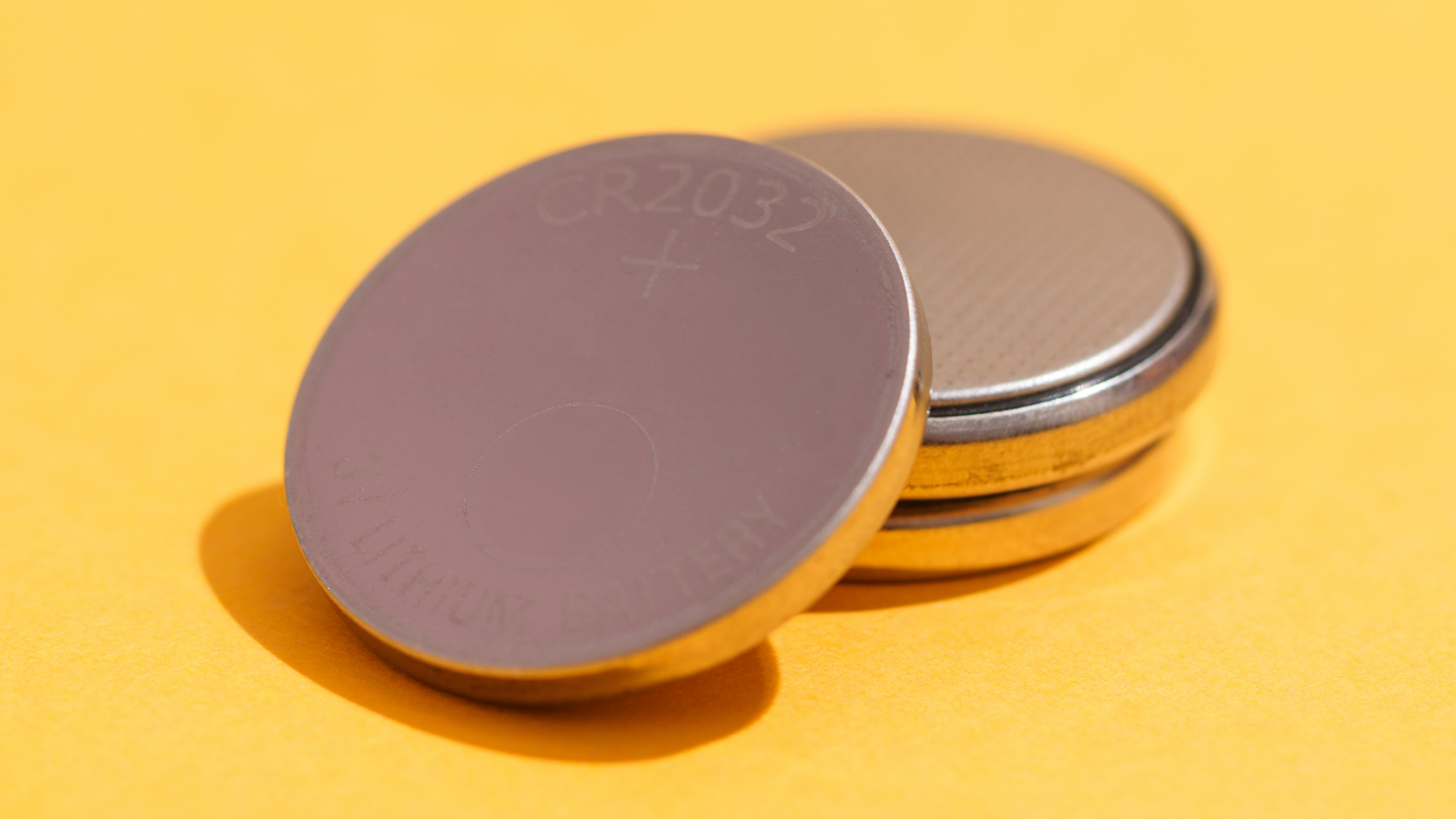
A new type of hybrid sodium-ion battery that offers both high capacity and rapid-charging capabilities could power mobile devices, electric vehicles and space tech.
Phys.org - 3 May 2024 12:50

Approximately 80% of the matter in the universe is predicted to be so-called "dark matter," which does not emit, reflect, or absorb light and thus cannot be directly detected using conventional experimental techniques.
New Scientist - 3 May 2024 12:06

If all goes well, the Chang'e 6 probe will be the first ever to land on the far side of the moon to take samples and bring them back to Earth
 American
Science News for 3 May 2024
American
Science News for 3 May 2024
 Global
 Great Britain
 Indian
 South Africa