Science News
 American
Science News for 13 November 2026
Yale scientists reveal what really slows aging and what doesn't
Science Daily - 13 Nov 2026 23:26
Yale researchers have discovered that certain prescription drugs, healthy diets, and exercise can measurably slow biological aging, while popular anti-aging supplements appear largely ineffective. Their analysis of 51 st...
5,000-year-old skulls reveal a disturbing secret of ancient Egypt's first kings
Science Daily - 13 Nov 2026 21:59
A 5,000-year-old mystery surrounding the tombs of Egypts first kings has taken a disturbing turn. Scientists reexamining 46 ancient skulls discovered evidence of potentially fatal head injuries in 18, suggesting that at ...
Why Viruses Make You Sneeze: COVID Proteins Directly Hijack Sensory Nerves
Neuroscience News - 13 Nov 2026 21:22 Why do colds, flu, and COVID make us sneeze, cough, and ache? Researchers found the SARS-CoV-2 enzymes directly hijack pain-sensing airway nerves via the "wasabi receptor" (TRPA1), triggering symptoms independent...
CRISPR Enhancer Editing Rescues Autism Brain Organoids
Neuroscience News - 13 Nov 2026 20:33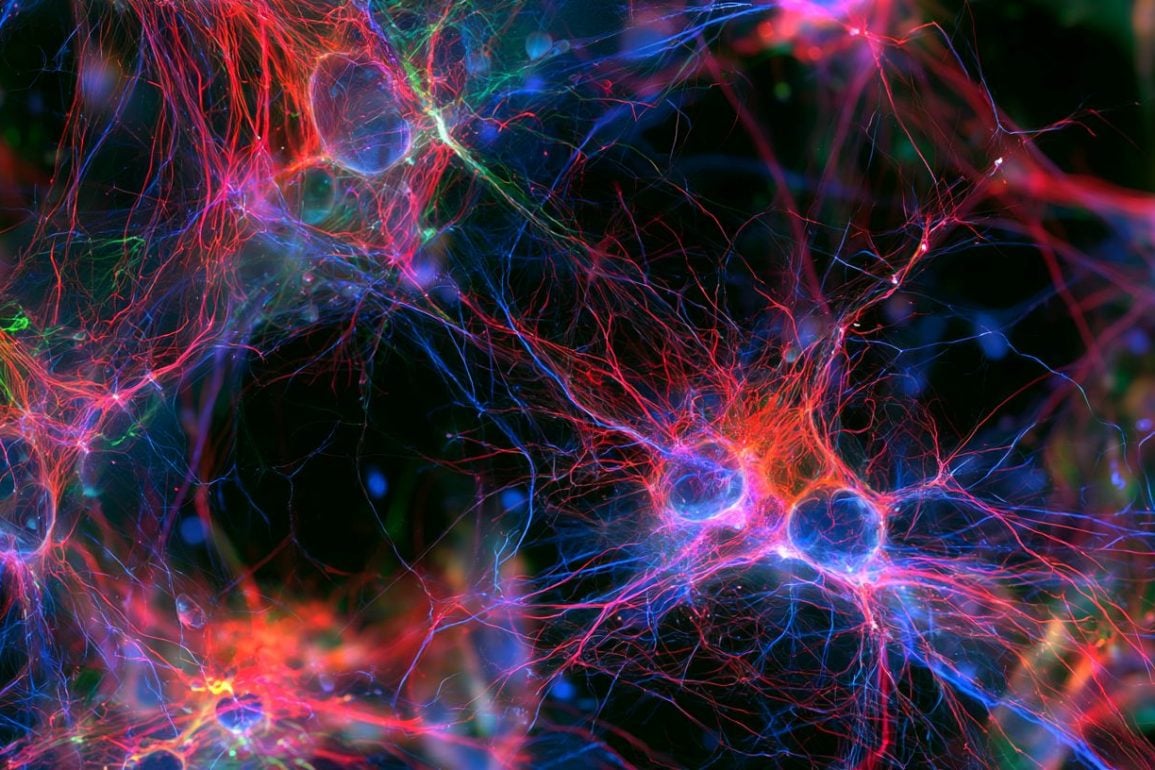 Rather than cutting DNA, scientists used precision CRISPR activation aimed at natural gene "dials" to boost healthy copies of CHD8 and SCN2A in human brain organoids, restoring normal tissue growth and neuronal f...
Scientists capture electrons making seemingly impossible quantum jumps
Science Daily - 13 Nov 2026 20:13
Scientists have captured electrons making seemingly impossible jumps across forbidden energy gaps in graphene, with some transitions occurring at a remarkable 100% probability. The breakthrough offers an unprecedented lo...
Mapping the Brains Energy Budget: How ATP Fuels Thought
Neuroscience News - 13 Nov 2026 18:48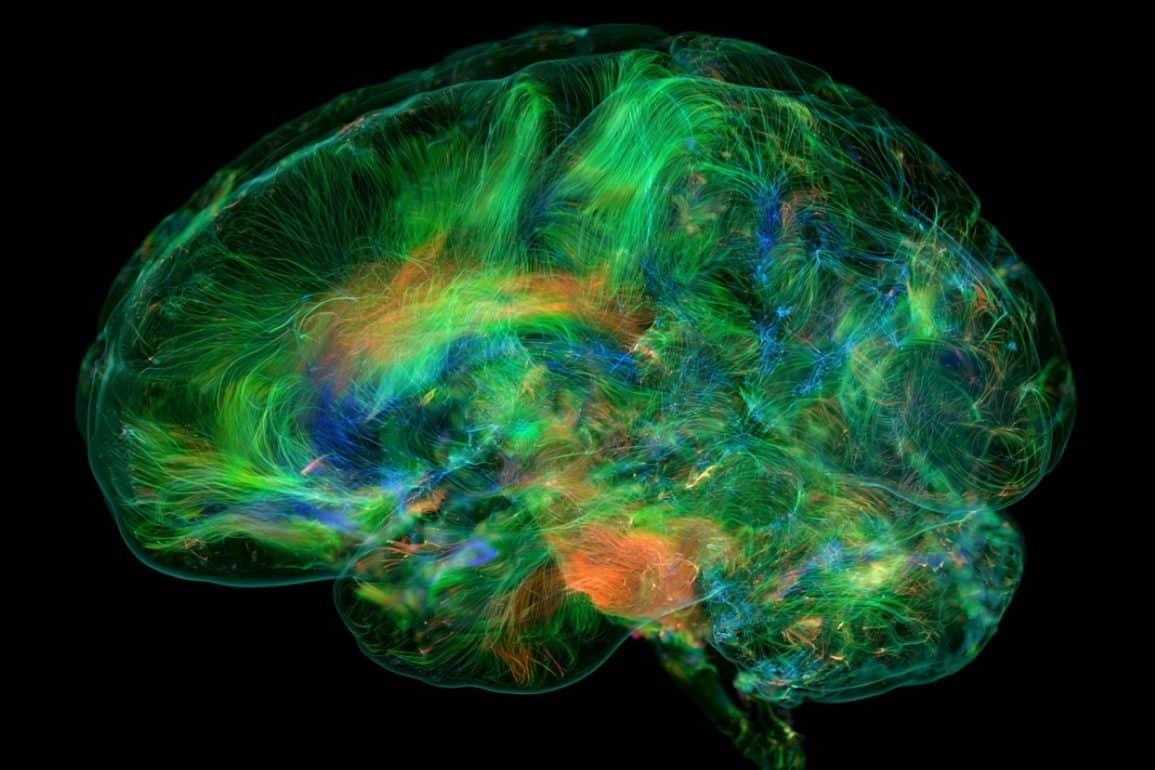 How much energy does a single thought cost? The study will map the brain's metabolic budget across scales, solving why active neurons burn sugar rapidly and how brain cells survive oxygen loss.
AI supercharges laser physics with a stunning 250x speed boost
Science Daily - 13 Nov 2026 18:41
Researchers at Stanford, UCLA, and SLAC have developed an AI system that simulates complex laser interactions thousands of times faster than conventional methods. The breakthrough allows scientists to predict how laser p...
Hidden Body Map in Brain Explains Complex Coordination
Neuroscience News - 13 Nov 2026 18:40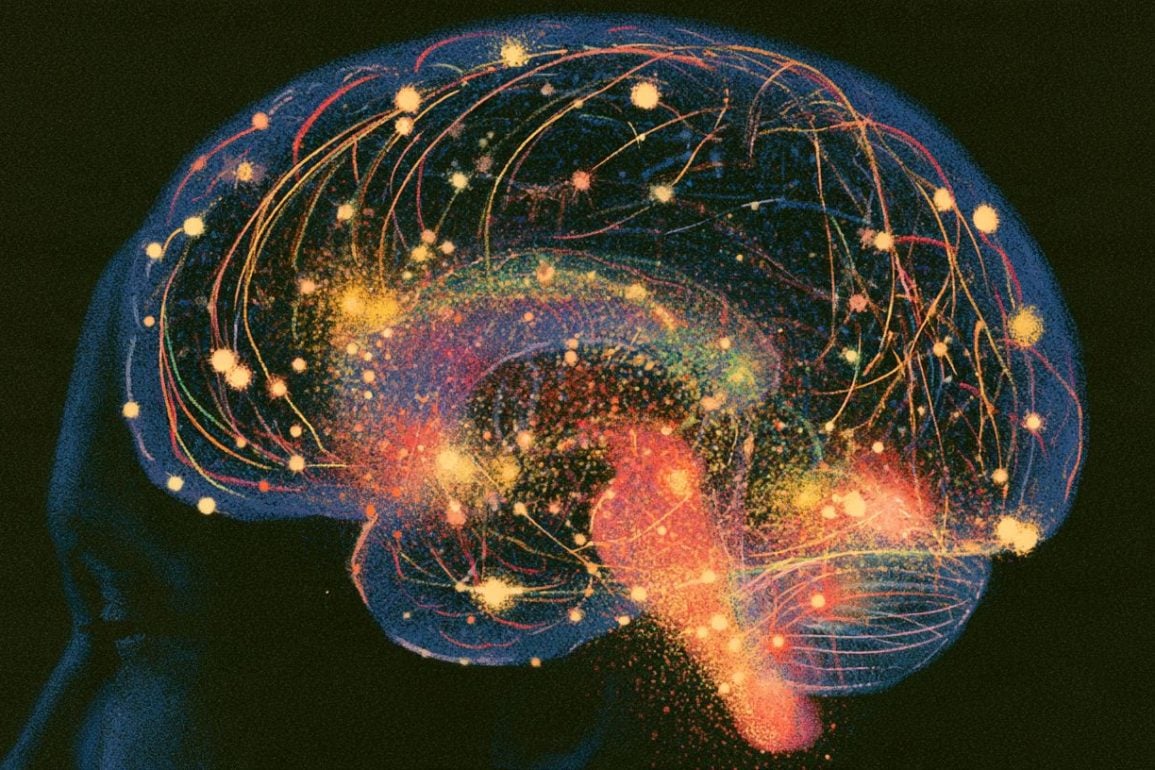 How do you effortlessly coordinate your hand, arm, head, and lips to sip soup? Columbia neuroscientists discovered a previously hidden full-body map inside the brain's secondary motor cortex (M2), found within its re...
Scientists discover two adorable species of howler monkey in the Amazon - and they're already endangered
Live Science - 13 Nov 2026 18:31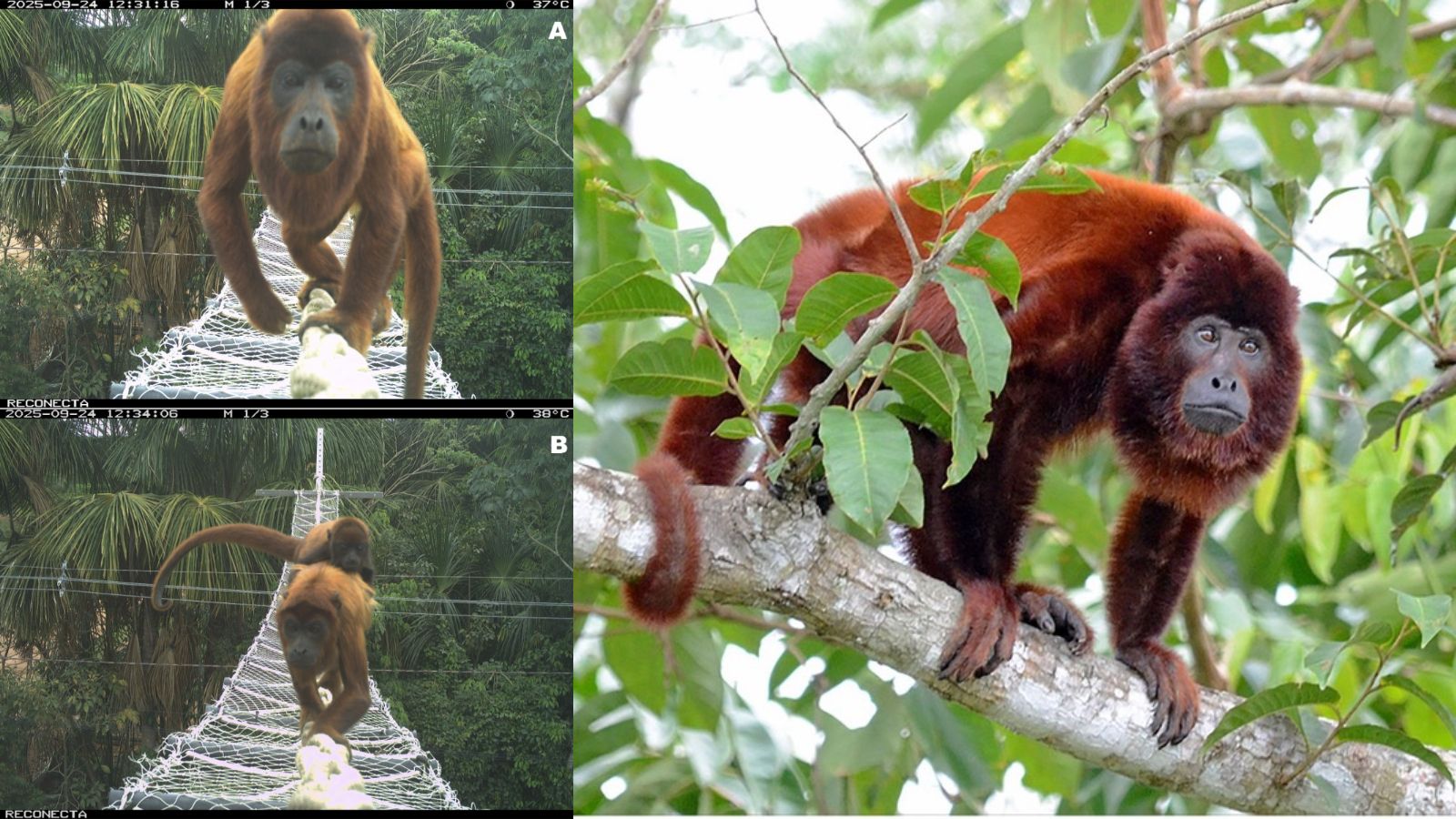 A genetic analysis has identified two previously unrecognized species of howler monkey that change these primates' evolutionary tree.
Unstable plasma heats itself with waves it generates, experiments reveal
Phys.org - 13 Nov 2026 18:20 Fusion power is expected to be a sustainable energy source that emits no carbon dioxide during electricity generation. To achieve this, research is underway worldwide to confine high-temperature plasma using magnetic fie...
Noise pollution is reshaping the health and behaviour of animals everywhere
New Scientist - 13 Nov 2026 18:00 There is almost nowhere on Earth free from disruptive human noise - but it'sone of the easiest environmental problems to solve
Did El Niño cause an early breakdown in the polar vortex?
New Scientist - 13 Nov 2026 17:55 The polar vortex winds have undergone an unprecedented weakening, which could bring cold weather to Europe. Some scientists suspect the record El Niño is to blame
'Godless' founder of utilitarianism had severe dental problems and was in 'excruciating pain,' CT scans of his severed head reveal
Live Science - 13 Nov 2026 17:39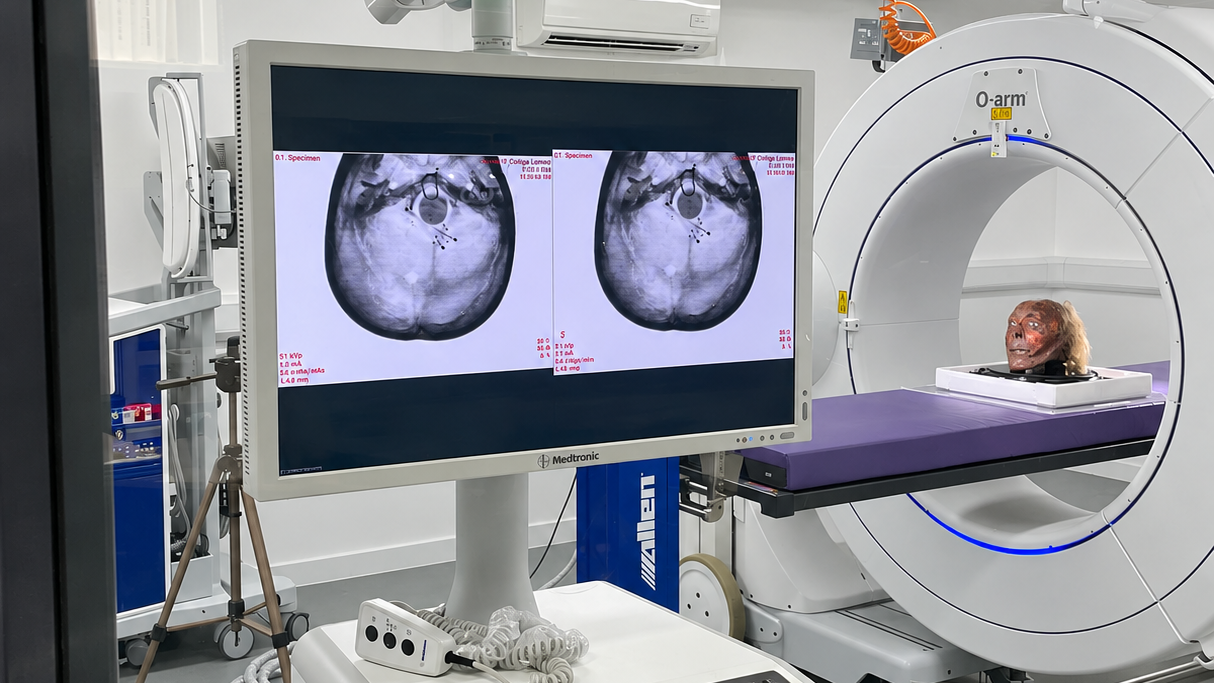 Jeremy Bentham, the "godless" philosopher who founded modern utilitarianism, had severe dental and jaw problems, a CT scan of his skull reveals.
Which science fiction novels have been best at predicting the future?
New Scientist - 13 Nov 2026 16:00 Weve loved sci-fi at New Scientist for the past 70 years, but which novels got the future right? From Neuromancer to The Handmaids Tale, Emily H. Wilson picks the most prescient reads of the past seven decades
Which science-fiction novels have been best at predicting the future?
New Scientist - 13 Nov 2026 16:00
Weve loved sci-fi at New Scientist for the past 70 years, but which novels got the future right? From Neuromancer to The Handmaids Tale, Emily H. Wilson picks the most prescient reads of the past seven decades
Do AI Agents Have Minds? A Philosopher Explains
Singularity Hub - 13 Nov 2026 15:00 To attribute agency to a computer program, we must be convinced no human is needed to stand behind its goals. The post Do AI Agents Have Minds? A Philosopher Explains appeared first on SingularityHub.
Can you pass our science quiz set by Nobel laureates?
New Scientist - 13 Nov 2026 13:00 Test your knowledge of Nobel-prizewinning discoveries in microbiology, genomics and cosmology with questions set by the laureates themselves: Barry Marshall, Jennifer Doudna and Saul Perlmutter
Self-learning AI separates particle jets from background noise in simulated heavy-ion collisions
Phys.org - 13 Nov 2026 12:40 A team of physicists and computer scientists led by researchers at the U.S. Department of Energy's (DOE) Brookhaven National Laboratory developed a new artificial intelligence (AI) approach that learns on its own to ...
Heat drives electron orbital currents, revealing first experimental evidence of orbital Nernst effect
Phys.org - 13 Nov 2026 12:00 Researchers at National Taiwan University (NTU) have reported the first experimental evidence of heat-current-driven transverse accumulation of electrons' orbital angular momentum, a phenomenon known as the orbital N...
Romans carefully dismantled statue of emperor when they withdrew from Scotland 1,800 years ago, leaving only his foot behind
Live Science - 13 Nov 2026 11:00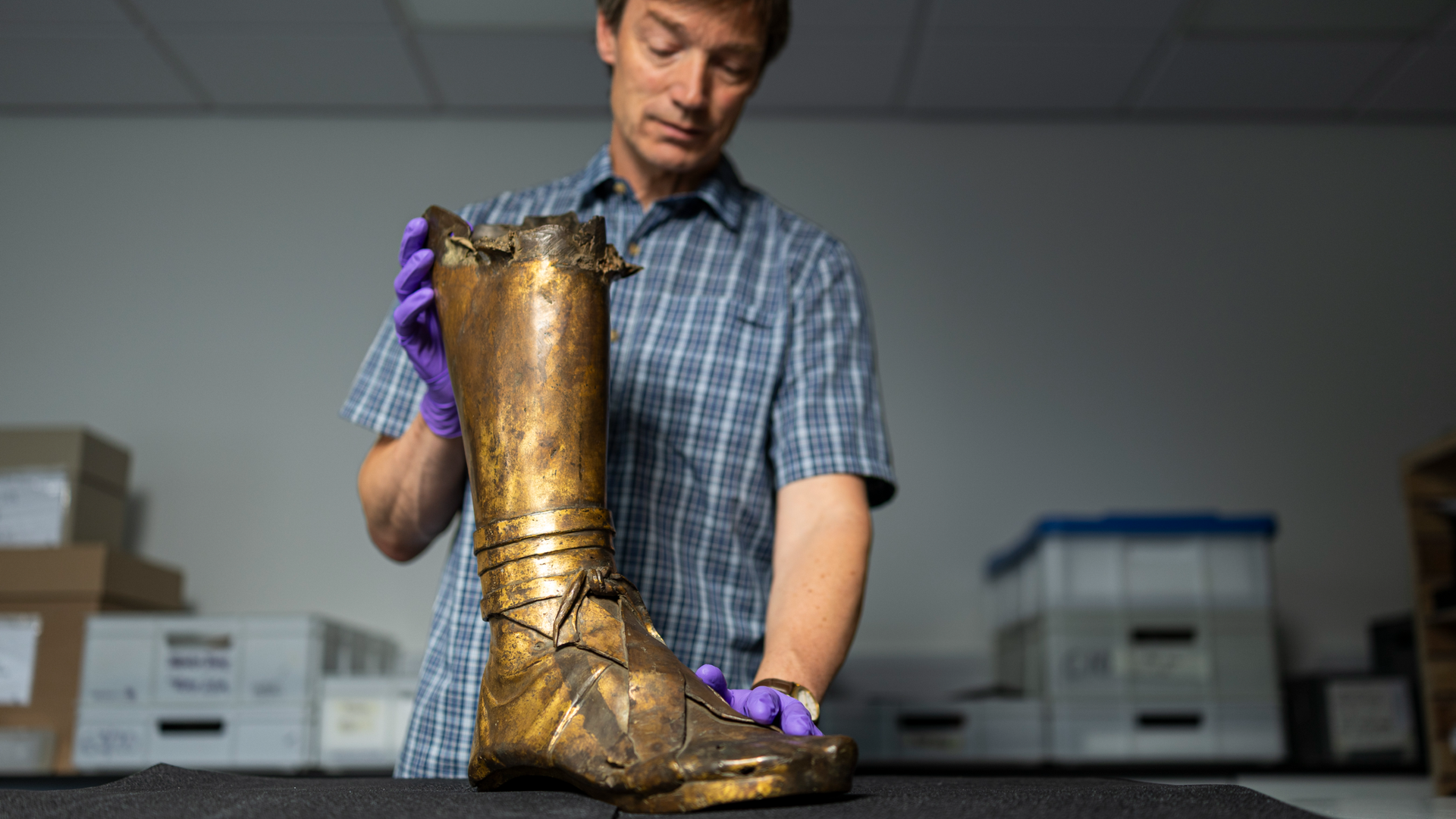 A mysterious bronze foot found in a bog was likely once part of a monumental statue of the Roman emperor Antoninus Pius, who tried to conquer Scotland.
Astronomers confirm a tiny new moon is orbiting Earth, and it'll stick around for the holidays
Live Science - 13 Nov 2026 10:30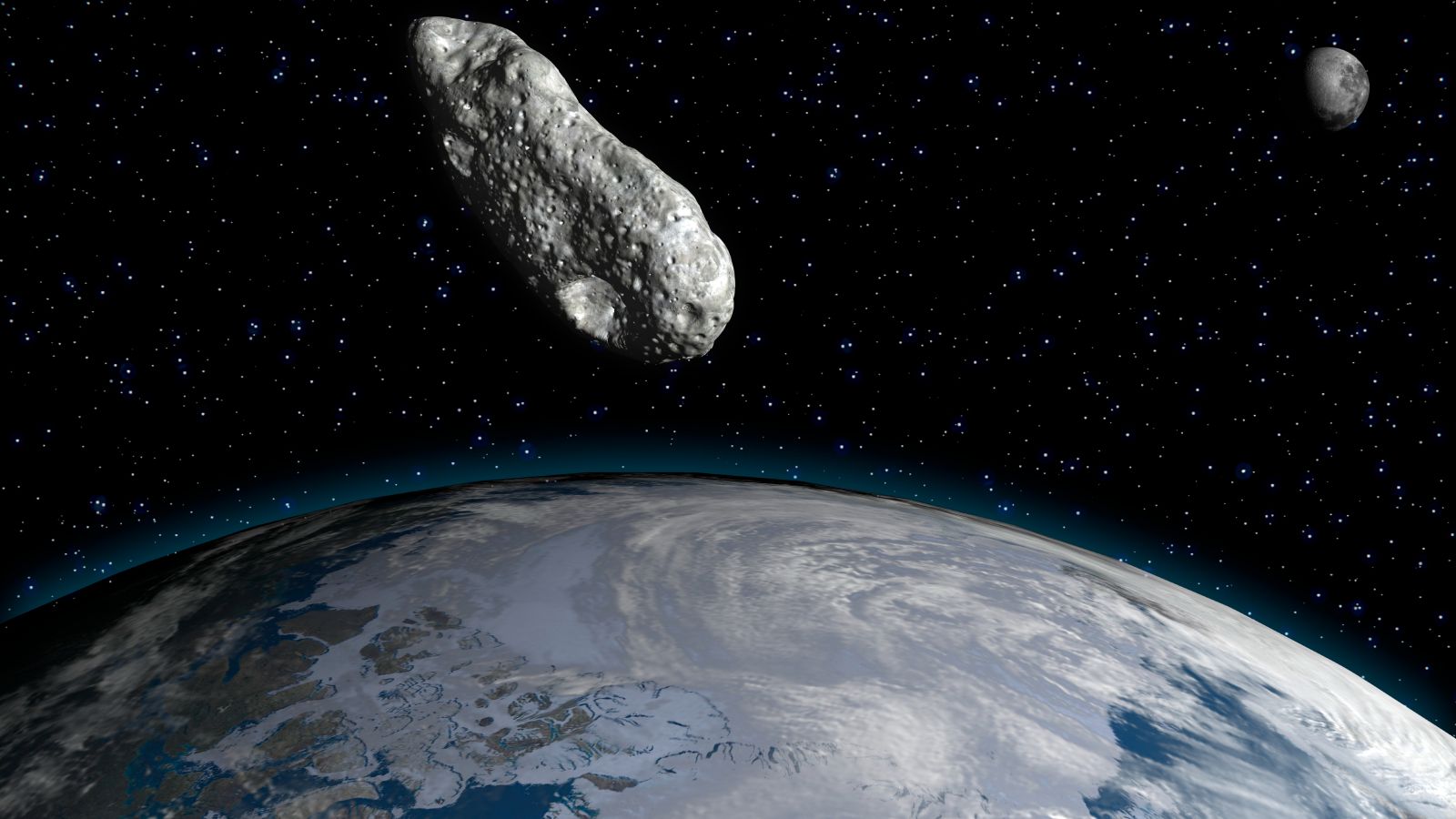 A tiny asteroid entered Earth's orbit in April and is expected to leave in January. Meet the minimoon 2026 QQ8.
Optical system maps multiple infrared fields onto one small detector
Phys.org - 13 Nov 2026 10:00 Researchers from the Changchun Institute of Optics, Fine Mechanics and Physics of the Chinese Academy of Sciences have developed an optical system that focuses light from several subfields onto a single small-format dete...
 Global
 Great Britain
 Indian
 South Africa