Universe Today - 5 Nov 2019 22:24

Based on a new study, it is possible that the first stars in our Universe formed about 1 billion years earlier than we thought. The post The First Stars Formed Very Quickly appeared first on Universe Today.
Universe Today - 5 Nov 2019 01:00

For years, NASA has been working to restore domestic launch capability to the US and send astronauts to the Moon and beyond. A crucial part of this is the development of next-generation crew capsules that can carry crews...
Universe Today - 5 Nov 2019 23:44
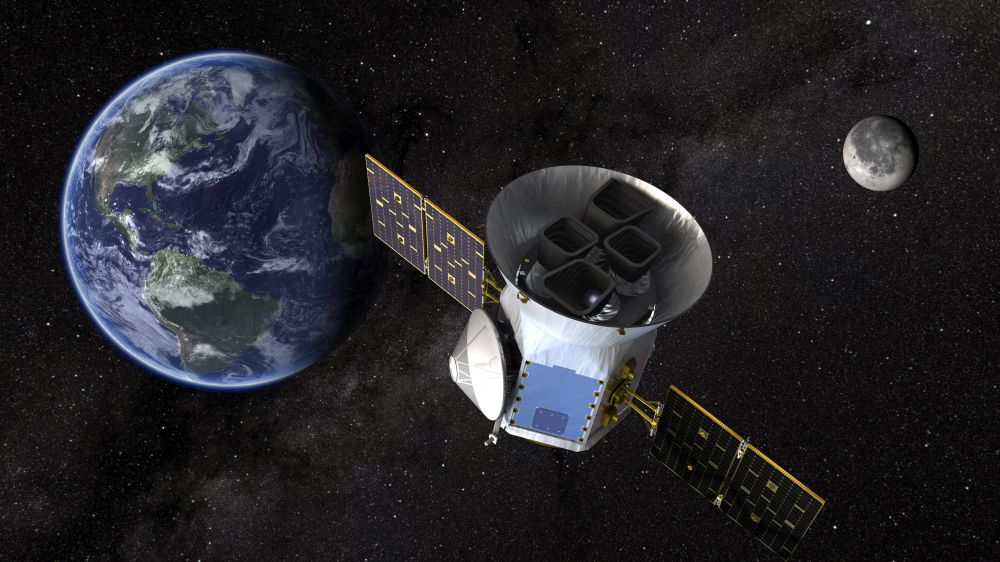
Astronomers working with TESS (Transiting Exoplanet Survey Satellite) data have found a planet where it shouldn’t be: in the space recently filled by its host star when it was a red giant. TESS uses Asteroseismology to...
SPACE.com - 5 Nov 2019 23:34
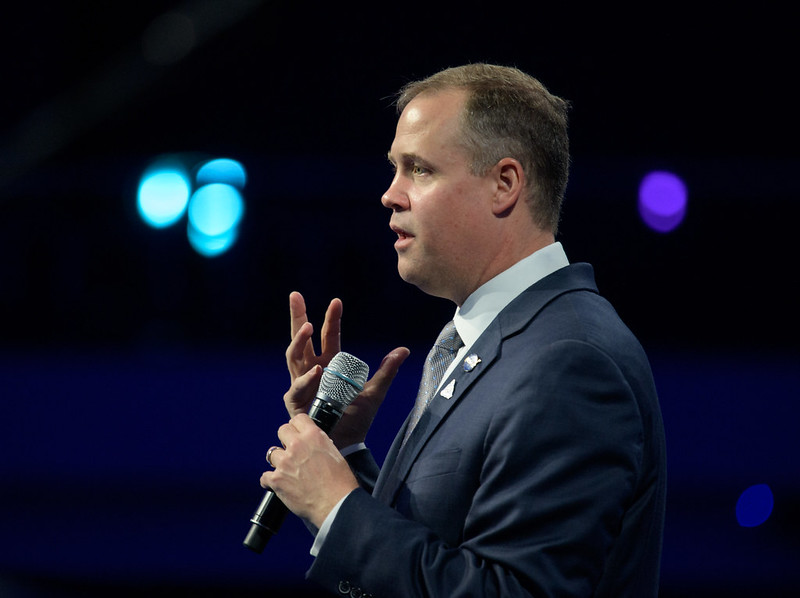
The long-standing debate over Pluto's planethood recently got a public boost from NASA Administrator Jim Bridenstine, who said the world should definitely be a planet.
Phys.org - 5 Nov 2019 23:27

The glow of the Milky Way--our galaxy seen edgewise--arcs across a sea of stars in a new mosaic of the southern sky produced from a year of observations by NASA's Transiting Exoplanet Survey Satellite (TESS). Constructed...

NASA's Goddard Space Flight Center:
SPACE.com - 5 Nov 2019 19:34
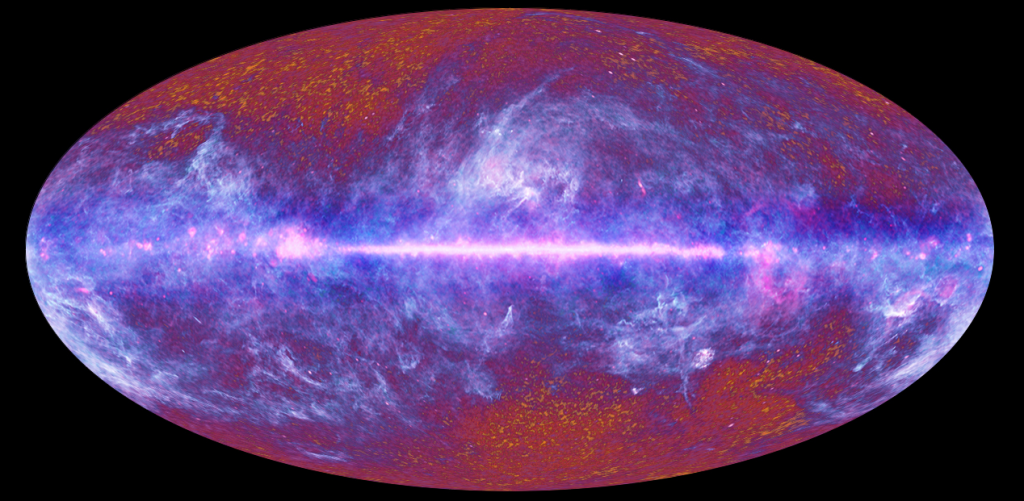
Is the universe flat? Maybe not.
SPACE.com - 5 Nov 2019 19:33

The Agents of S.H.I.E.L.D actor plays sharpshooter Fennec Shand.
Phys.org - 5 Nov 2019 19:15

An advanced coating now being tested aboard the International Space Station for use on satellite components could also help NASA solve one of its thorniest challenges: how to keep the Moon's irregularly shaped, razor-sha...

Image: The Cygnus NG-12 cargo vehicle hangs out after arriving to the International Space Station on 4 November. The latest resupply mission includes over 4 tonnes of science experiments, crew supplies, and station hardw...
Space News - 5 Nov 2019 17:44

Spire Global has opened its sixth office, setting up a team of 10 employees in the nation's capital as it seeks to gain more U.S. government business. SpaceNews.com
Phys.org - 5 Nov 2019 17:13

As seabirds swooped and Atlantic waves lapped under a crisp blue sky, an Antares rocket roared to life Saturday morning and blasted off from Virginia's Eastern Shore without a hitch.
Phys.org - 5 Nov 2019 16:30

Within just 50 light-years from Earth, there are about 1,560 stars, likely orbited by several thousand planets. About a thousand of these extrasolar planets--known as exoplanets--may be rocky and have a composition simil...
Phys.org - 5 Nov 2019 16:00

Using NASA's Chandra spacecraft, European astronomers have detected a diffuse X-ray emission around an ultraluminous X-ray pulsar in the galaxy NGC 5907. The newly detected emission could be an expanding nebula powered b...
NASA's Goddard Space Flight Center:
Phys.org - 5 Nov 2019 15:40

A trio of researchers with the University of Manchester, Universit di Roma 'La Sapienza' and Sorbonne Universities has sparked a major debate among cosmologists by claiming that data from the Planck space observatory sug...
Phys.org - 5 Nov 2019 15:00

Richard Branson rang the opening bell at the New York Stock Exchange on October 28 as Virgin Galactic became the first commercial spaceflight company to list on the stock market. It was valued at more than US$1 billion f...
SPACE.com - 5 Nov 2019 14:13

A photographic image retoucher turned his artistic eye to the space shuttle program, generating a book with decades-old images that look like they were taken in the digital age.
SPACE.com - 5 Nov 2019 14:11

See photos of Boeing's Starliner pad abort test mission on Nov. 4 in this gallery.
Space News - 5 Nov 2019 14:01
The commercial space and aviation industries are working closer together to address issues about access to airspace, a relationship that has improved over the last year. SpaceNews.com
Scientific American - 5 Nov 2019 14:00
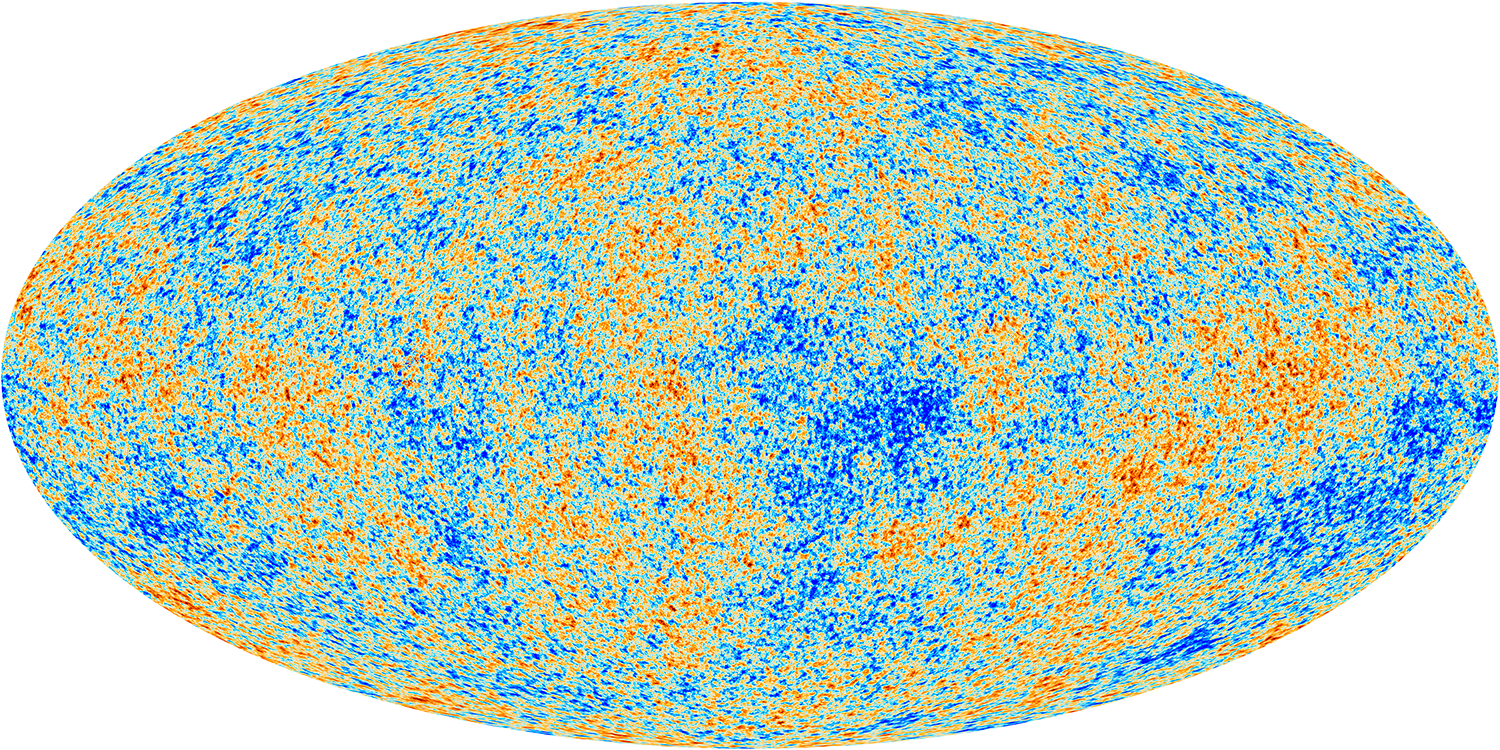
A new study suggests the cosmos may be curved in upon itself like a ball—but many experts remain unconvinced --
SPACE.com - 5 Nov 2019 13:58
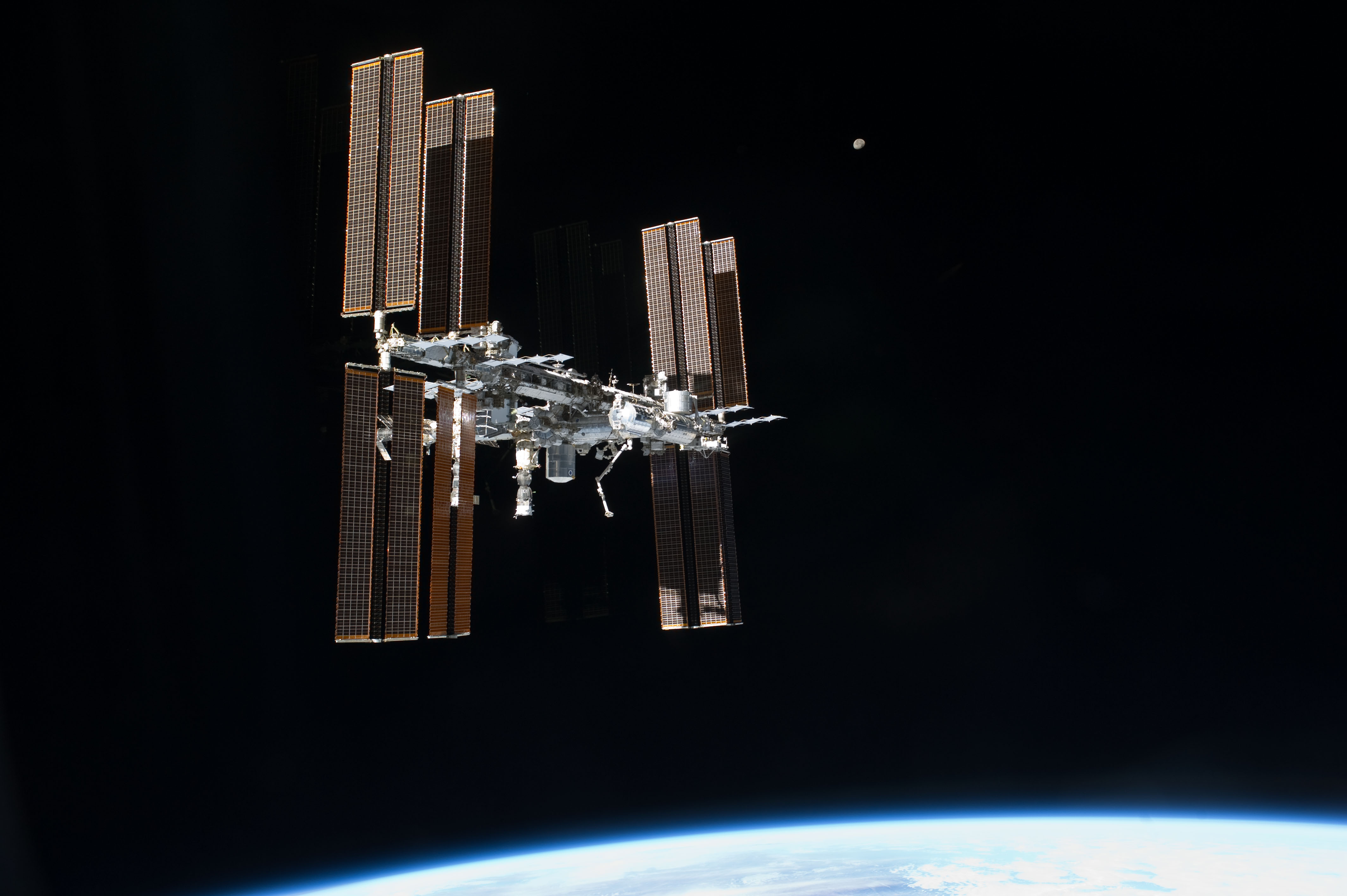
NASA is looking for ways to make a visit to the International Space Station a little more like a voyage to Mars.
 American
Space News for 5 November 2019
American
Space News for 5 November 2019
 Global
 Great Britain
 Indian
 South Africa